- Cart
- |
- Personal Center
- |
info@idealphotonics.com


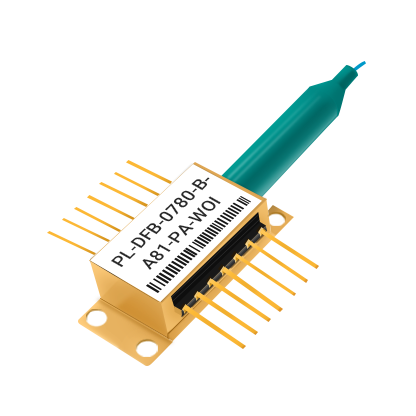
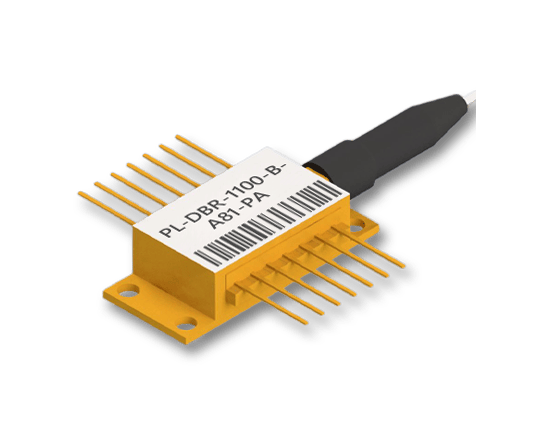
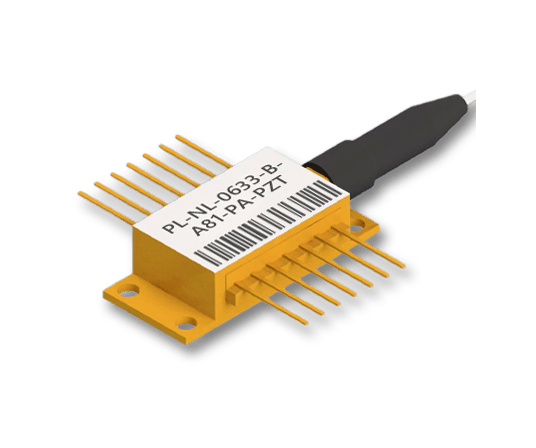
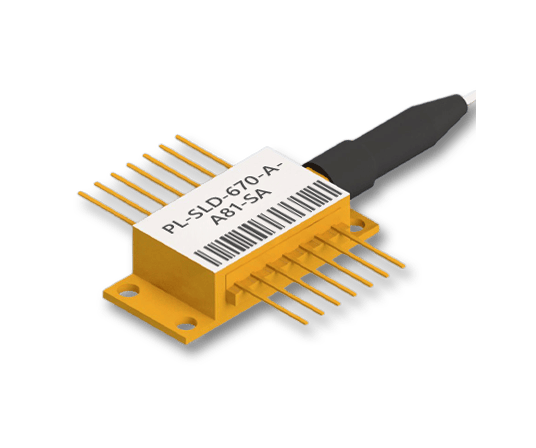















New Products
New Products
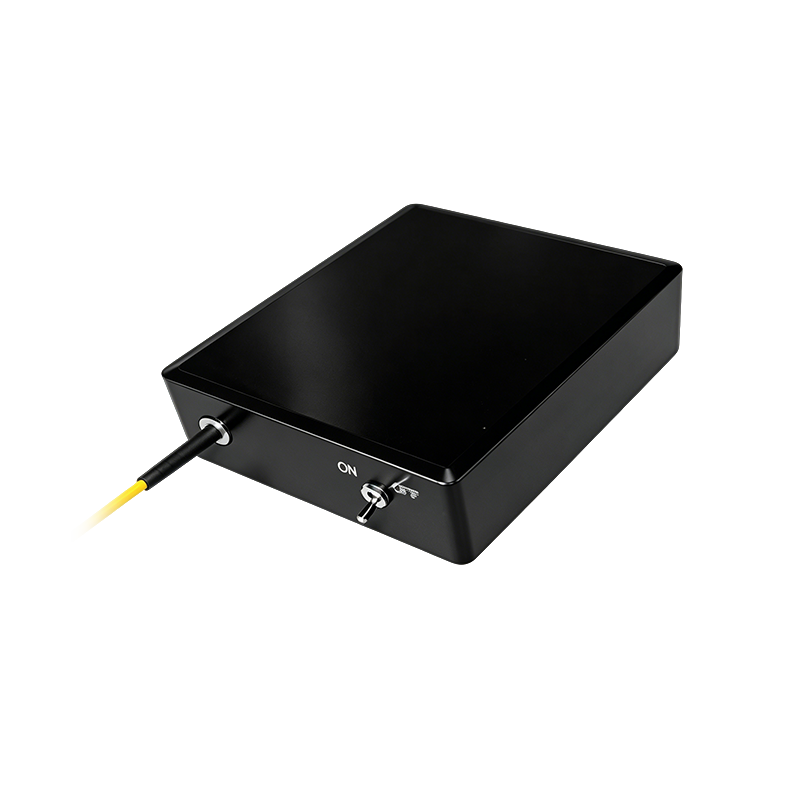
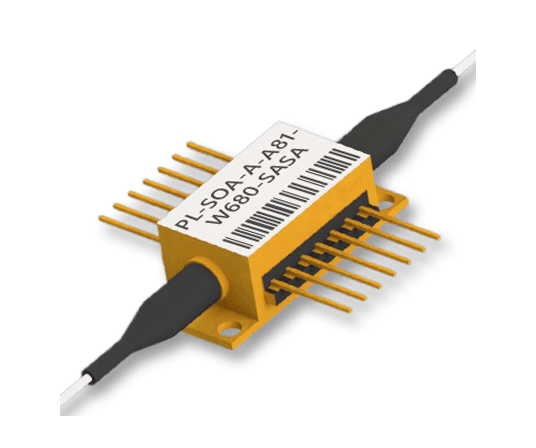
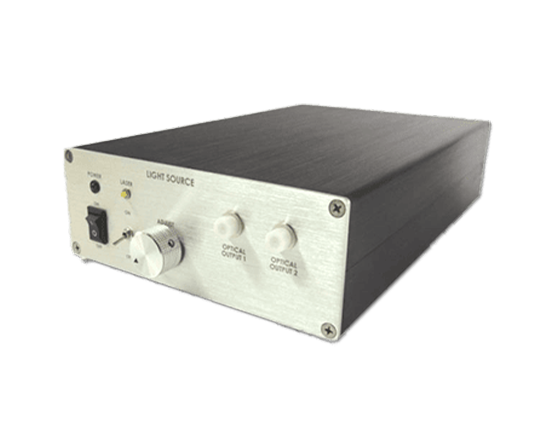
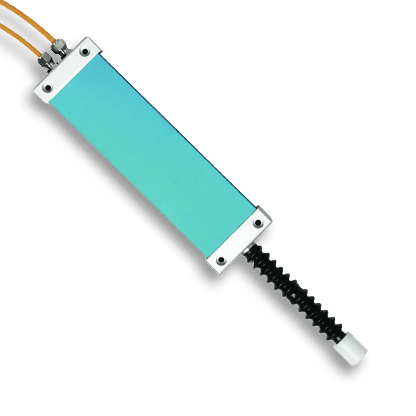
O‑Band 1310nm Electronically Tunable Fiber Laser
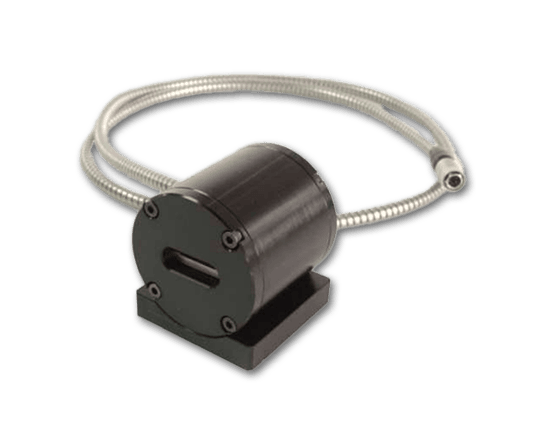
The fiber laser employs a proprietary design. The laser mainly consists of a gain block and a frequency‑selection engine. Each component can be configured according to specific requirements, which leaves ample flexibility for achieving variations in tuning range and optical output power. Wavelength tuning is accomplished either by manually adjusting a micrometer or by a micro‑motor controlled via a PC through a USB interface. Fast setup, small footprint, rapid scanning, wide tuning range, and availability in the X, O, SC, and L bands make this laser a cost‑effective source for R&D and laboratory purposes in various tests related to wavelength measurement, such as DWDM components, fiber Bragg gratings, and FBG sensor interrogation.
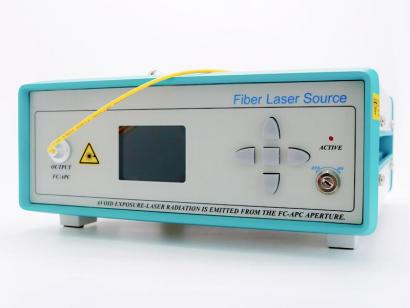
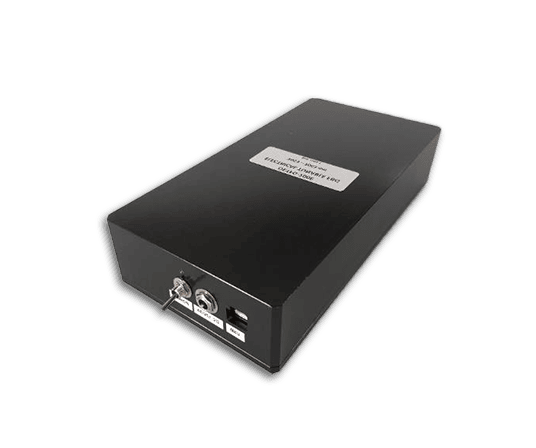
1570nm 40 dBm wavelength single mode fiber coupled laser
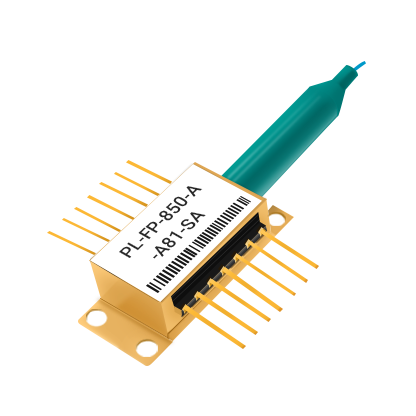
The 1570nm single-wavelength laser uses a high-performance butterfly-shaped semiconductor laser chip. Professionally designed drive and temperature control circuits ensure the safe operation of the laser, stable output power, and spectrum. It is suitable as a pump laser source for thulium-doped fiber lasers or fiber amplifiers and can be provided in desktop or modular packages.
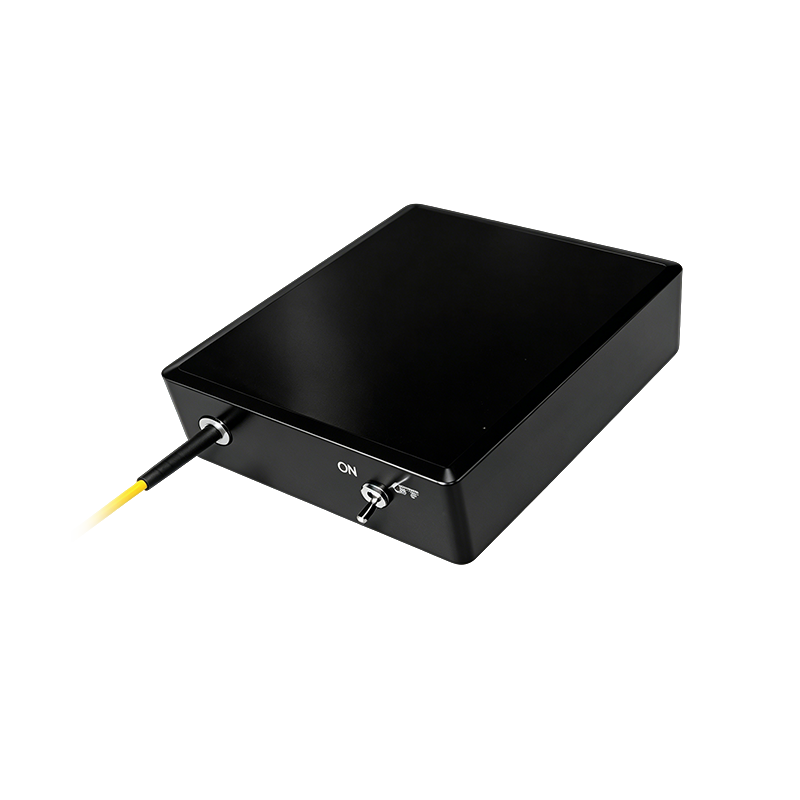
O‑Band 1310nm Manually Tunable Fiber Laser
The fiber laser employs a proprietary design. The laser mainly consists of a gain block and a frequency‑selection engine. Each component can be configured according to specific requirements, which leaves ample flexibility for achieving variations in tuning range and optical output power. Wavelength tuning is accomplished either by manually adjusting a micrometer or by a micro‑motor controlled via a PC through a USB interface. Fast setup, small footprint, rapid scanning, wide tuning range, and availability in the X, O, SC, and L bands make this laser a cost‑effective source for R&D and laboratory purposes in various tests related to wavelength measurement, such as DWDM components, fiber Bragg gratings, and FBG sensor interrogation.
1570nm 37 dBm wavelength single mode fiber coupled laser
The 1570nm single-wavelength laser uses a high-performance butterfly-shaped semiconductor laser chip. Professionally designed drive and temperature control circuits ensure the safe operation of the laser, stable output power, and spectrum. It is suitable as a pump laser source for thulium-doped fiber lasers or fiber amplifiers and can be provided in desktop or modular packages.
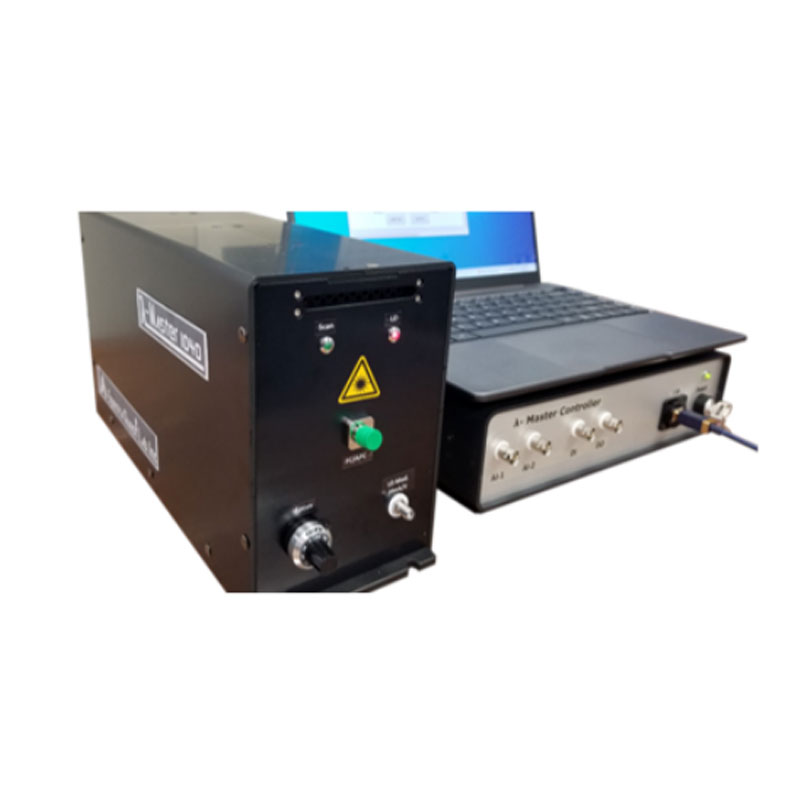
900nm High-Performance Band Tunable Diode Laser
The 900nm High-Performance Band Tunable Diode Laser is a high-end laser light source based on the Littman type external cavity architecture design, achieving ultra-low amplification spontaneous emission (ASE) output through a unique noise suppression design. It can achieve continuous tuning without mode skipping and with high spectral purity over a wide wavelength range, and provides high-power free-space output and flexible fiber coupling options. It is an ideal light source for fundamental research fields such as atomic physics, quantum optics, and precision spectral measurement.
1570nm 33 dBm wavelength single mode fiber coupled laser
The 1570nm single-wavelength laser uses a high-performance butterfly-shaped semiconductor laser chip. Professionally designed drive and temperature control circuits ensure the safe operation of the laser, stable output power, and spectrum. It is suitable as a pump laser source for thulium-doped fiber lasers or fiber amplifiers and can be provided in desktop or modular packages.
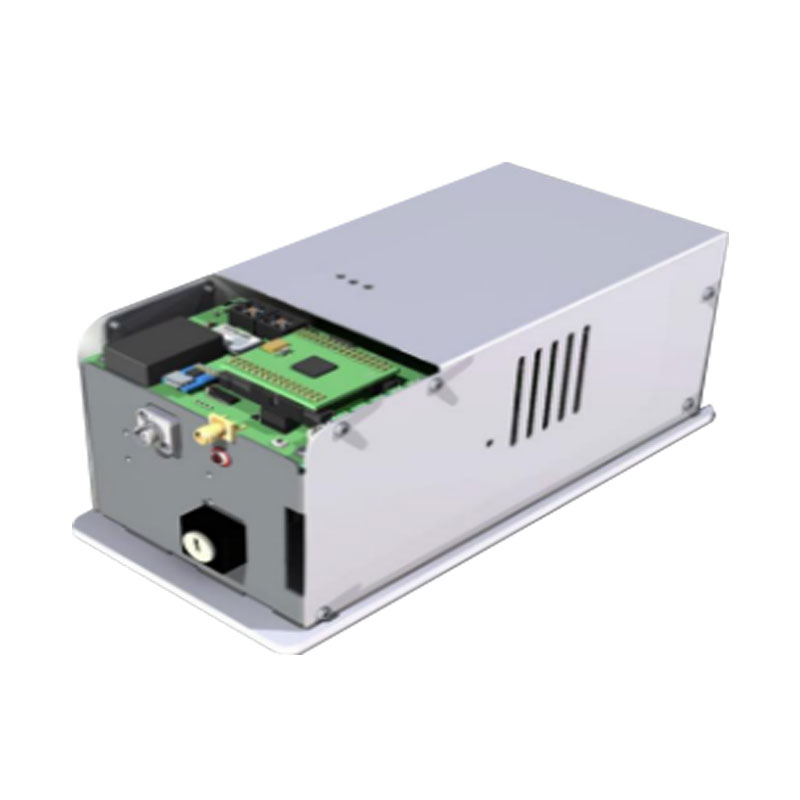
λ-Rapid Series High-Speed Scanning ASE-Free Tunable Diode Lasers
λ-Rapid Series High-Speed Scanning ASE-Free Tunable Diode Lasers is a laser light source based on an external cavity design, aiming to achieve mode-skipping high-speed tuning over a wide spectral range. Its core advantage lies in the high scanning rate, which can fully suppress amplified spontaneous emission noise and ensure edge mode suppression, thereby ensuring that the output laser has extremely high spectral purity. This series adopts polarization-maintaining fiber output and a compact and robust packaging design. It is mainly applicable to frequency-domain measurements such as optical frequency-domain reflectometers, optical communication testing, and quantum experiments.
1570nm 10 dBm wavelength single mode fiber coupled laser
The 1570nm single-wavelength laser uses a high-performance butterfly-shaped semiconductor laser chip. Professionally designed drive and temperature control circuits ensure the safe operation of the laser, stable output power, and spectrum. It is suitable as a pump laser source for thulium-doped fiber lasers or fiber amplifiers and can be provided in desktop or modular packages.
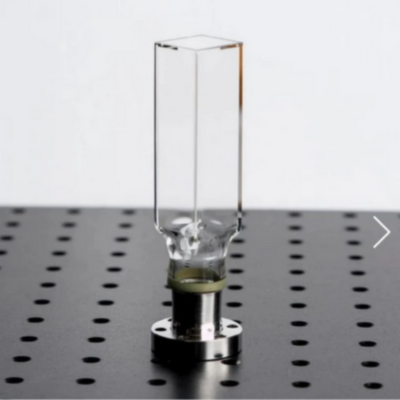
Ultra-High Vacuum Thin-Walled Glass Cell
The MP-TWC-20-20-65 is a high-performance glass vacuum cell specifically designed for ultra‑high vacuum (UHV) quantum experiments, providing excellent optical access for cold atom, quantum optics, and precision measurement applications. Manufactured from Borofloat® 33 borosilicate glass and leveraging AVR Optics (Infleqtion)’s proprietary glass‑to‑metal sealing technology, the cell is assembled without epoxy or glass frit. This approach ensures outstanding vacuum performance while substantially reducing outgassing rates, making it highly suitable for long‑term, stable UHV systems.
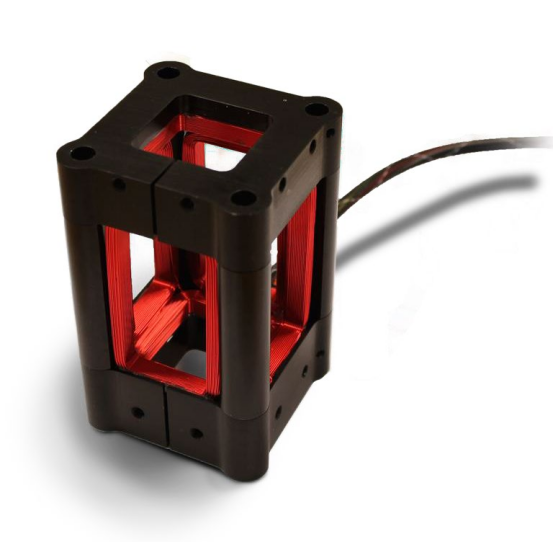
Triaxial Magnetic Field Coil Assembly for Magneto-Optical Traps and Quantum Experiments
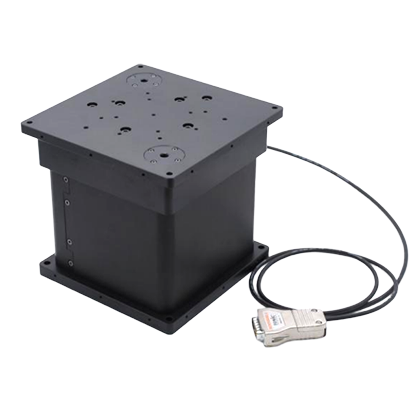
The MP-MOT-60-60-93 triaxial magnetic field coil assembly is a high-performance three-axis coil system specifically designed for Magneto-Optical Traps (MOT) and quantum technology experiments. It generates stable, uniform magnetic fields independently along the X, Y, and Z directions while providing ample optical access for laser beams, making it ideal for integration into dual-MOT systems and various cold-atom experimental platforms. Its modular construction ensures easy installation and reliable electrical connections, with long-term stable operation in research laboratory environments.
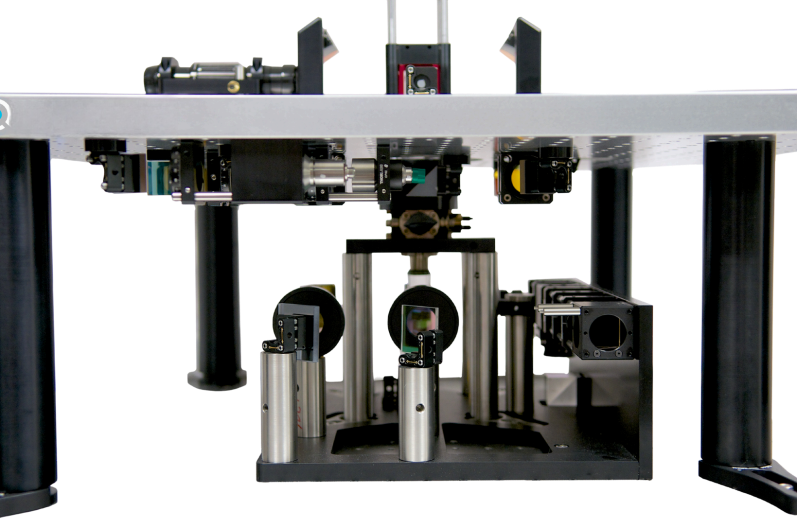
Cold Atom Magneto-Optical Trap Optical Platform
The MP-MOT-61-61-35 is an integrated laser-cooling optical platform designed specifically for the doubleMOT or RuBECi ultra-high-vacuum systems. The platform integrates the key optical and optomechanical components required for the 2D MOT, push beam, six-beam 3D MOT, optical pumping, and imaging beams, significantly reducing the complexity of optical design, installation, and alignment for cold-atom experiments. The system features a layered, modular structure, available as a complete platform or as separate 2D MOT or 3D MOT optical stages. The platform provides open experimental space and standard optical mounting holes, allowing users to easily add imaging, optical pumping, atom manipulation, and other experimental beam paths.
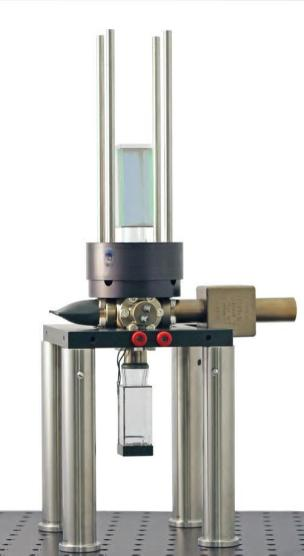
Dual-Chamber Magneto-Optical Trap Ultra-High Vacuum System
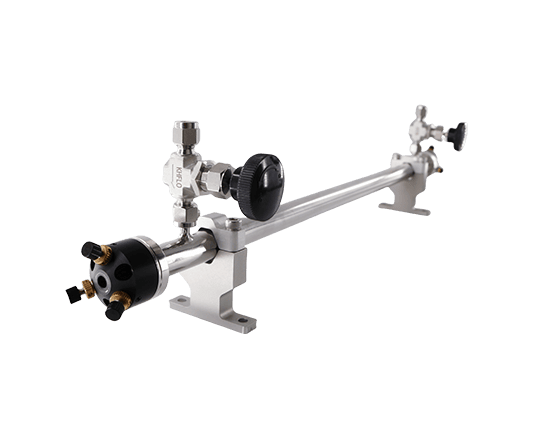
The MP-MOT-127-127-394 is a benchtop ultra-high-vacuum cold-atom source system featuring two independent vacuum chambers, connected by a silicon micro-aperture plate. The lower chamber is primarily used to establish a two-dimensional magneto-optical trap (2D MOT), providing a high-flux cold-atom beam; the upper chamber maintains a higher-grade ultra-high-vacuum environment for establishing a three-dimensional magneto-optical trap (3D MOT), enabling longer atom lifetimes and more stable cold-atom clouds. This dual-chamber architecture combines high atom loading rates with an ultra-high-vacuum environment, significantly improving cold-atom experimental performance compared to single-chamber MOT systems. The entire system is evacuated and sealed at the factory, eliminating the need for users to build complex ultra-high-vacuum apparatus.
 10+
10 Years of Experience
10+
10 Years of Experience
 50
50 + Countries Bussiness
50
50 + Countries Bussiness
 10000
10k + Diodes sold worldwide
10000
10k + Diodes sold worldwide
 30
30+ Invention patent
30
30+ Invention patent
 10
10+ Advanced Optical Solutions
10
10+ Advanced Optical Solutions
⇪