- Cart
- |
- Personal Center
- |
info@idealphotonics.com


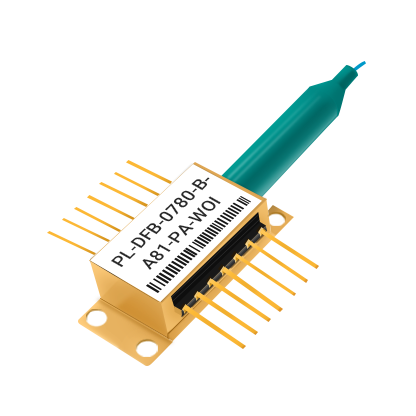
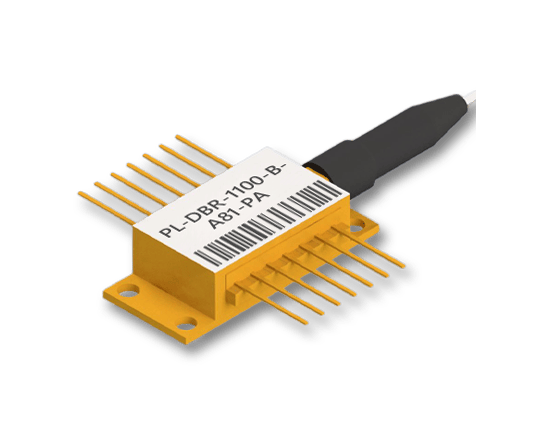
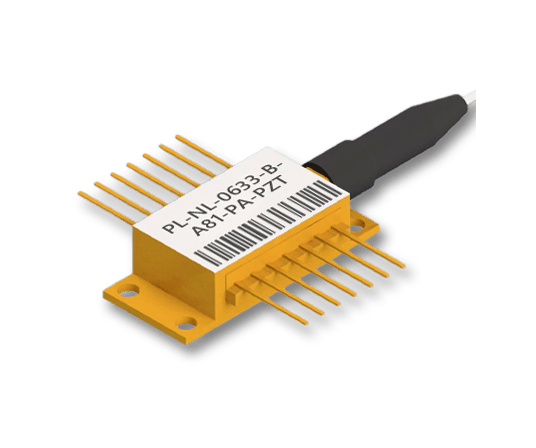
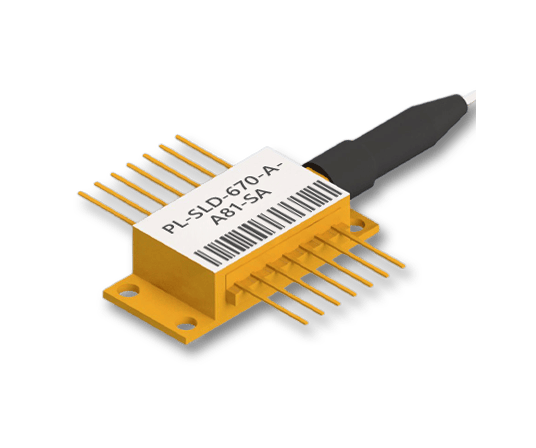




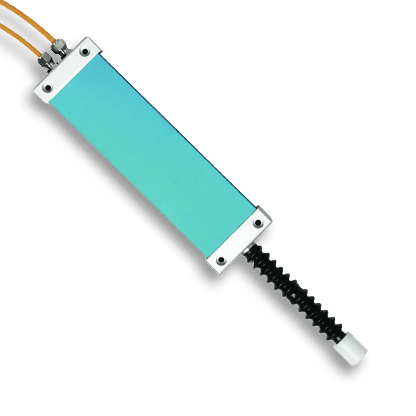
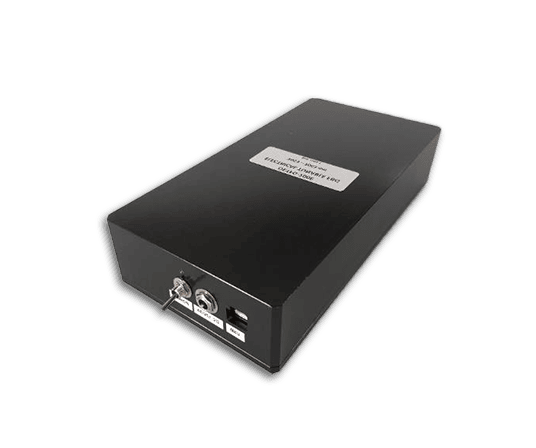


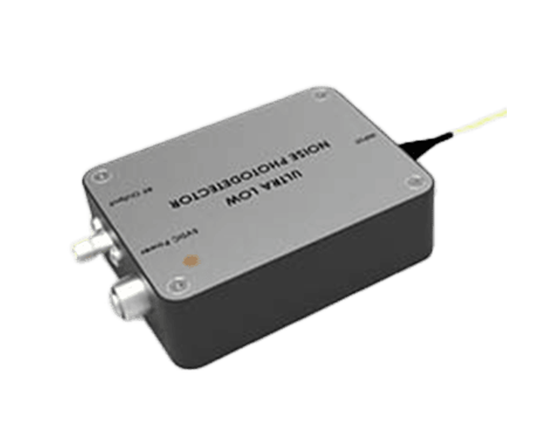
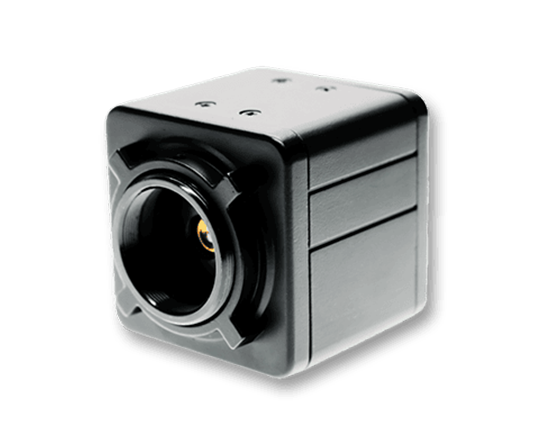









New Products
New Products
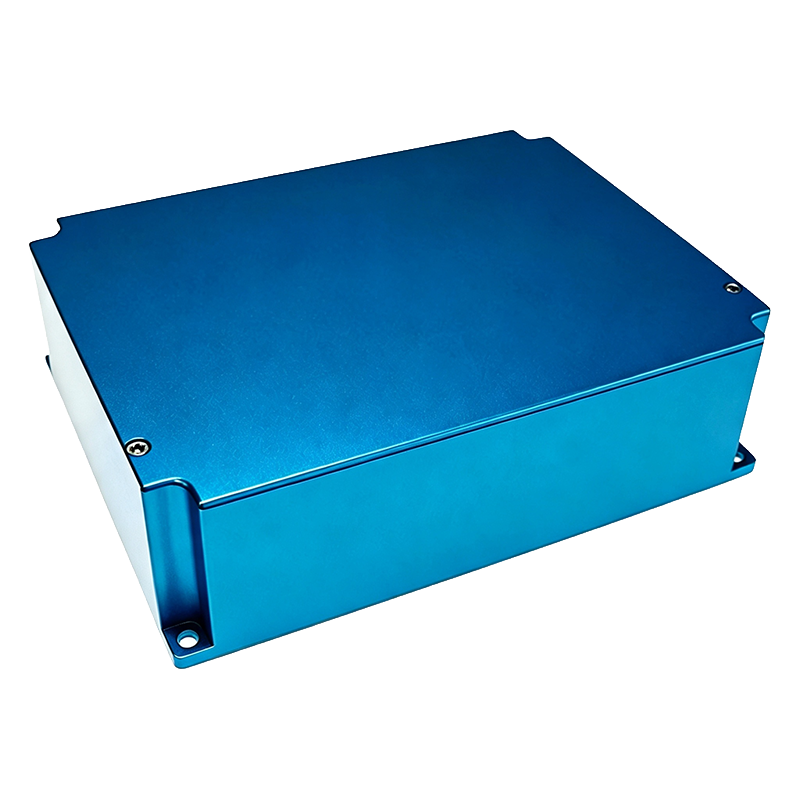
1550.12nm 50kHz FBG Single-Frequency Ultra-Narrow Linewidth Laser
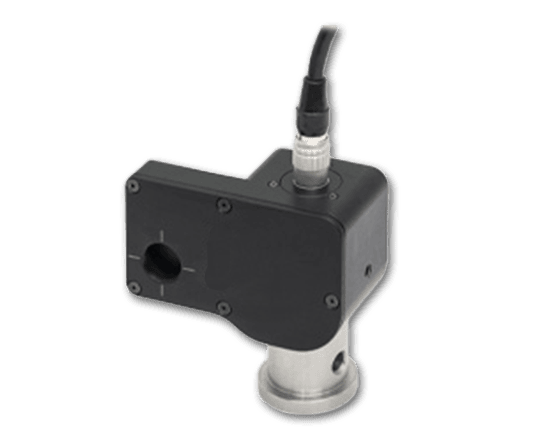
MP-NL-1550.12-10-50k-B is a wavelength‑tunable, modulatable single‑frequency laser. The product is an external‑cavity tunable laser based on a built‑in FBG. It can be applied in optical measurement and inspection, optical sensor applications, and high‑precision OTDR applications. The product features excellent wavelength and power stability, as well as outstanding SMSR.
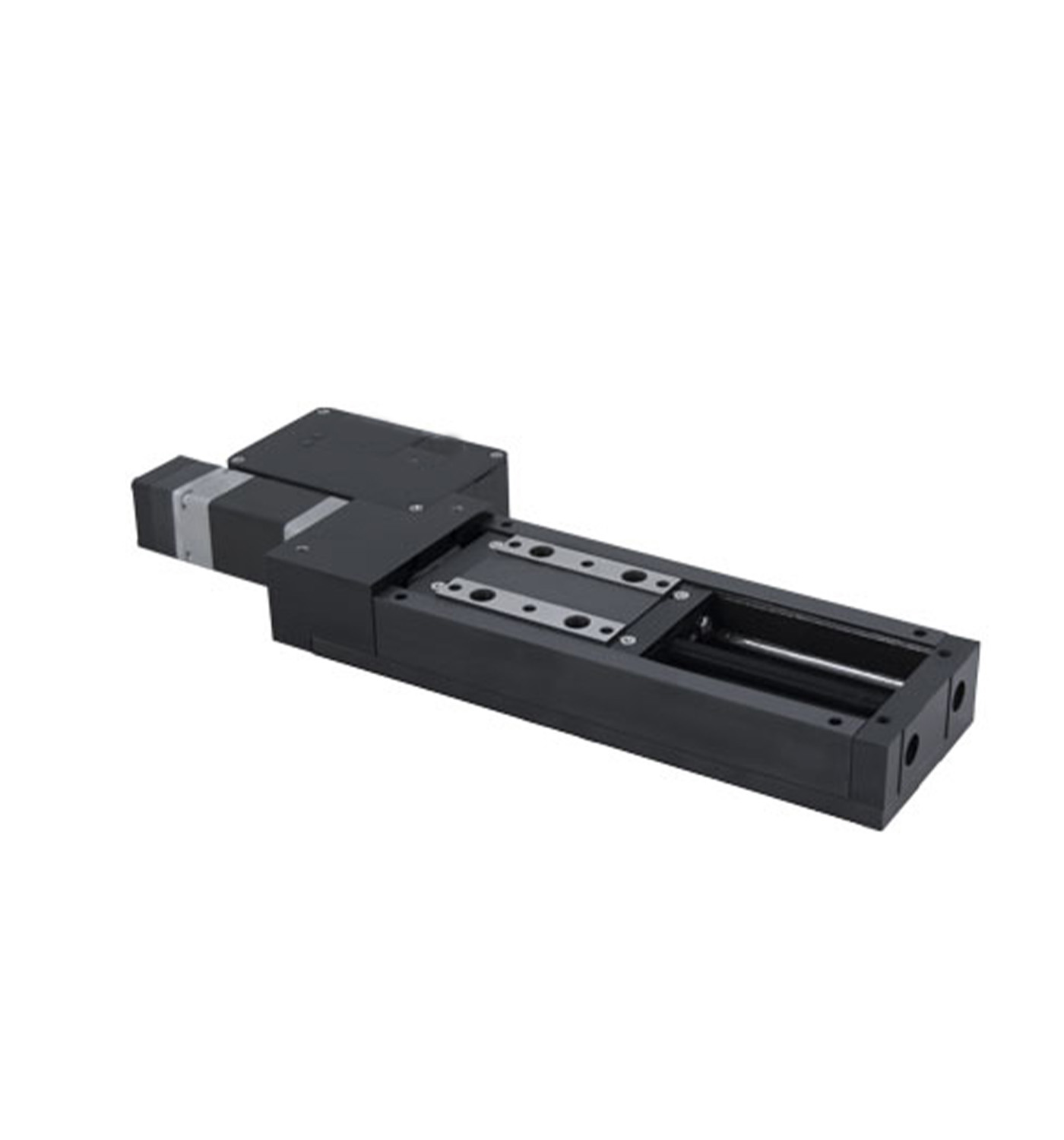
25 mm Precision Ball Screw Linear Motion Stage
The MP-BSLS-25-8-4 is a high-precision single-axis linear motion stage driven by a precision ball screw and a 2-phase stepper motor. It features a recirculating ball bearing guide for high load capacity, high rigidity, smooth low‑speed operation, and reliable positioning. This stage is ideal for applications that require high precision and short-stroke motion control, including precision positioning, automation equipment, optical experiments, research instruments, medical devices, and industrial inspection.
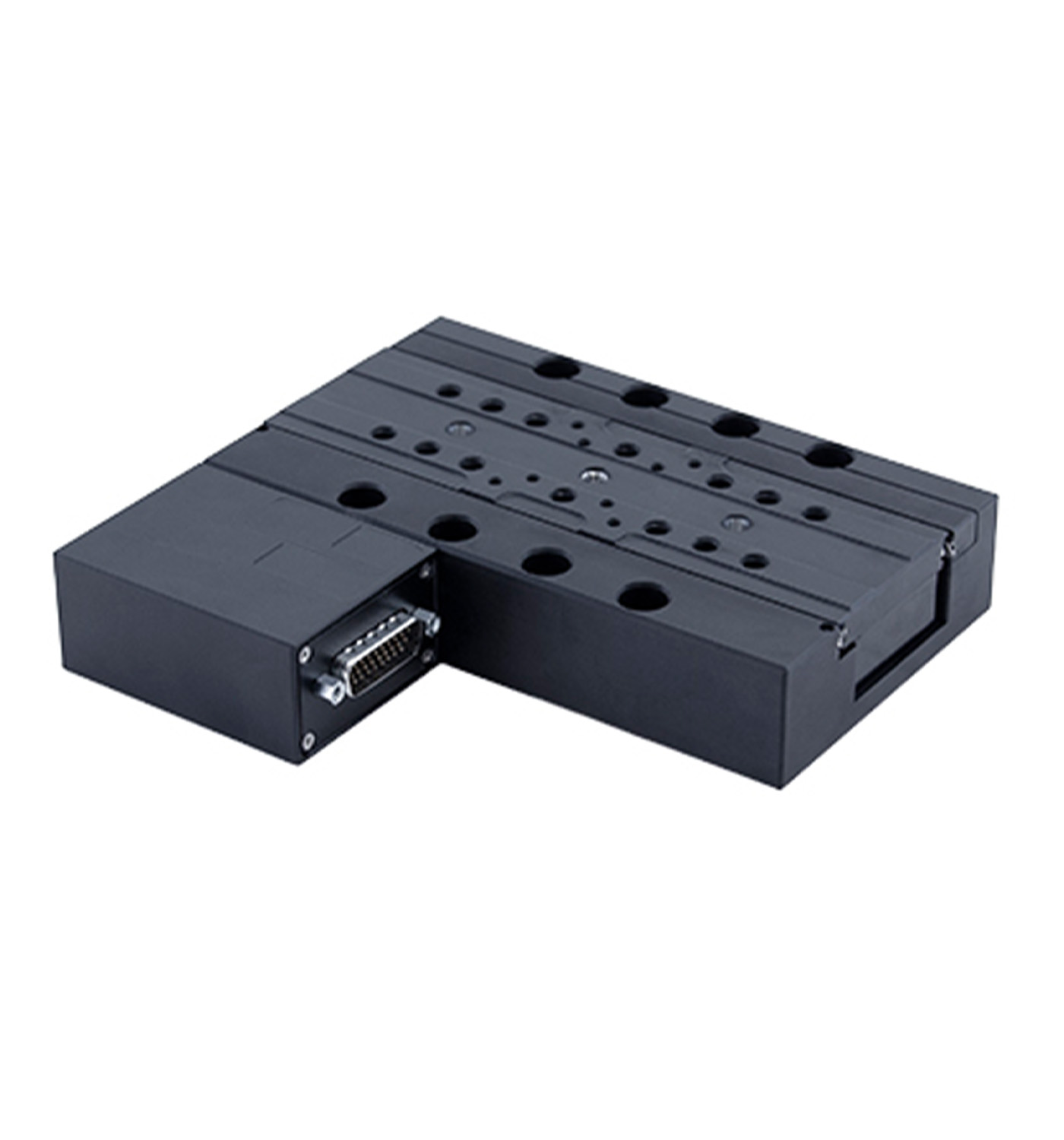
25 mm High-Precision Direct-Drive Linear Motor Stage
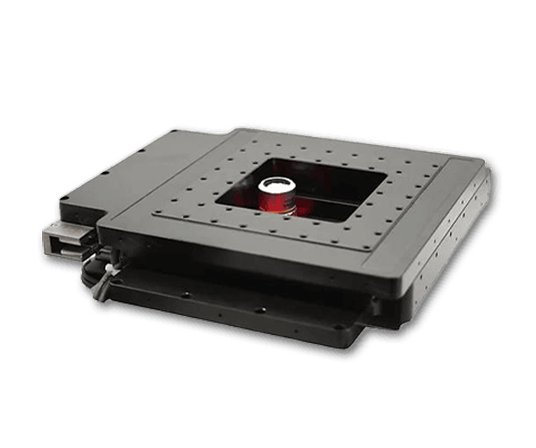
The MP-DDS-25-1.5-0.2 is a high-precision single-axis linear motion stage driven by a moving magnet track linear motor. It integrates a 1 nm resolution linear analog encoder and high-rigidity crossed-roller bearings, delivering excellent positioning accuracy, high repeatability, high speed, and superior motion stability. This stage is ideal for applications that demand the highest positioning precision, including semiconductor equipment, precision optics, laser processing, automated inspection, biomedical devices, and scientific research.
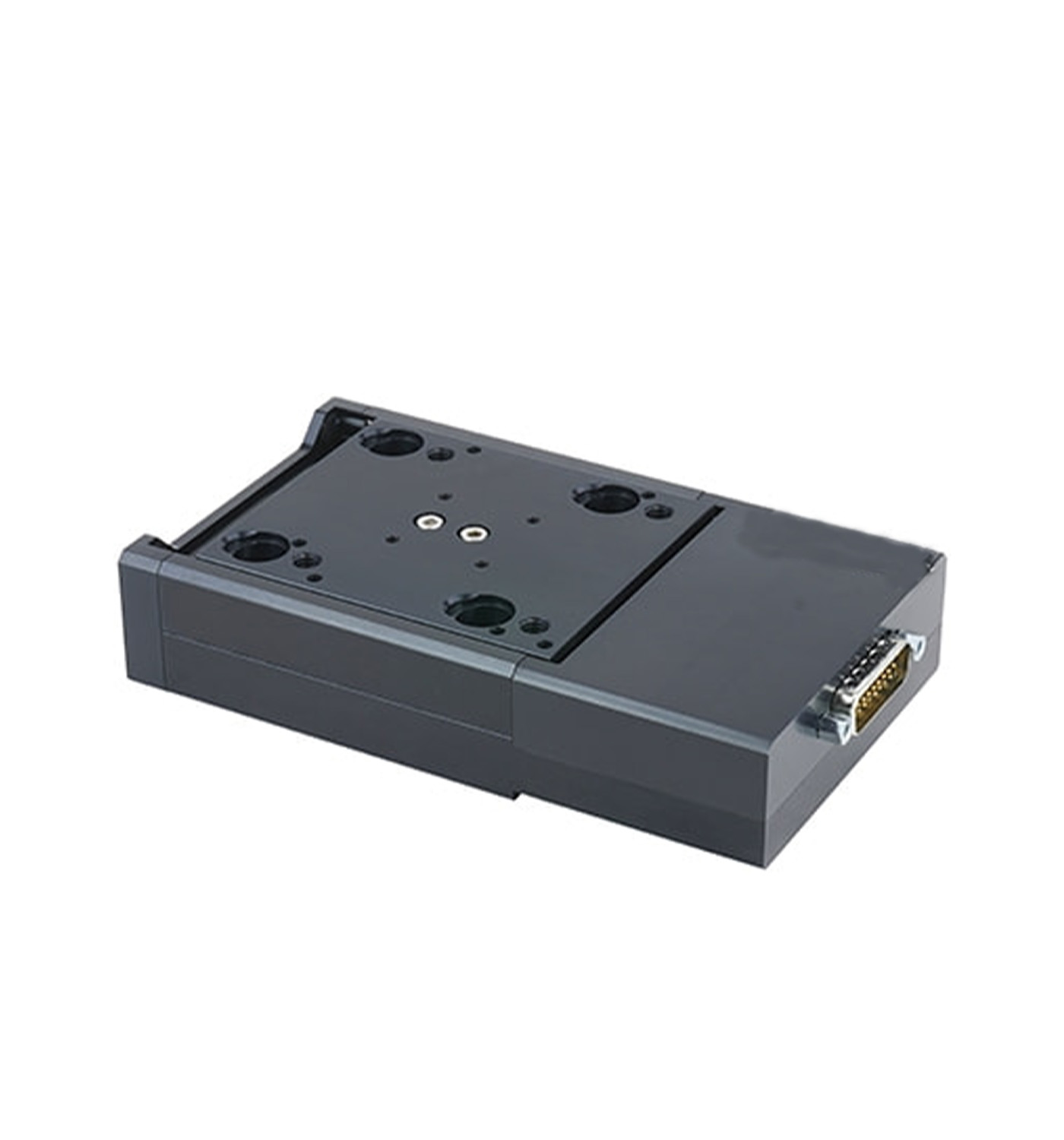
High-Precision Direct-Drive Voice Coil Motor Linear Stage
The MP-VCS-12-4-0.5 is a high-dynamic precision linear motion stage that employs voice coil direct-drive technology. Equipped with a 1 nm resolution linear analog encoder and crossed-roller bearings, it delivers high speed, high acceleration, and sub-micron positioning accuracy. This stage is ideal for high-end motion control applications including semiconductor manufacturing, precision optical alignment, laser processing, biomedical equipment, research instrumentation, and automated inspection.
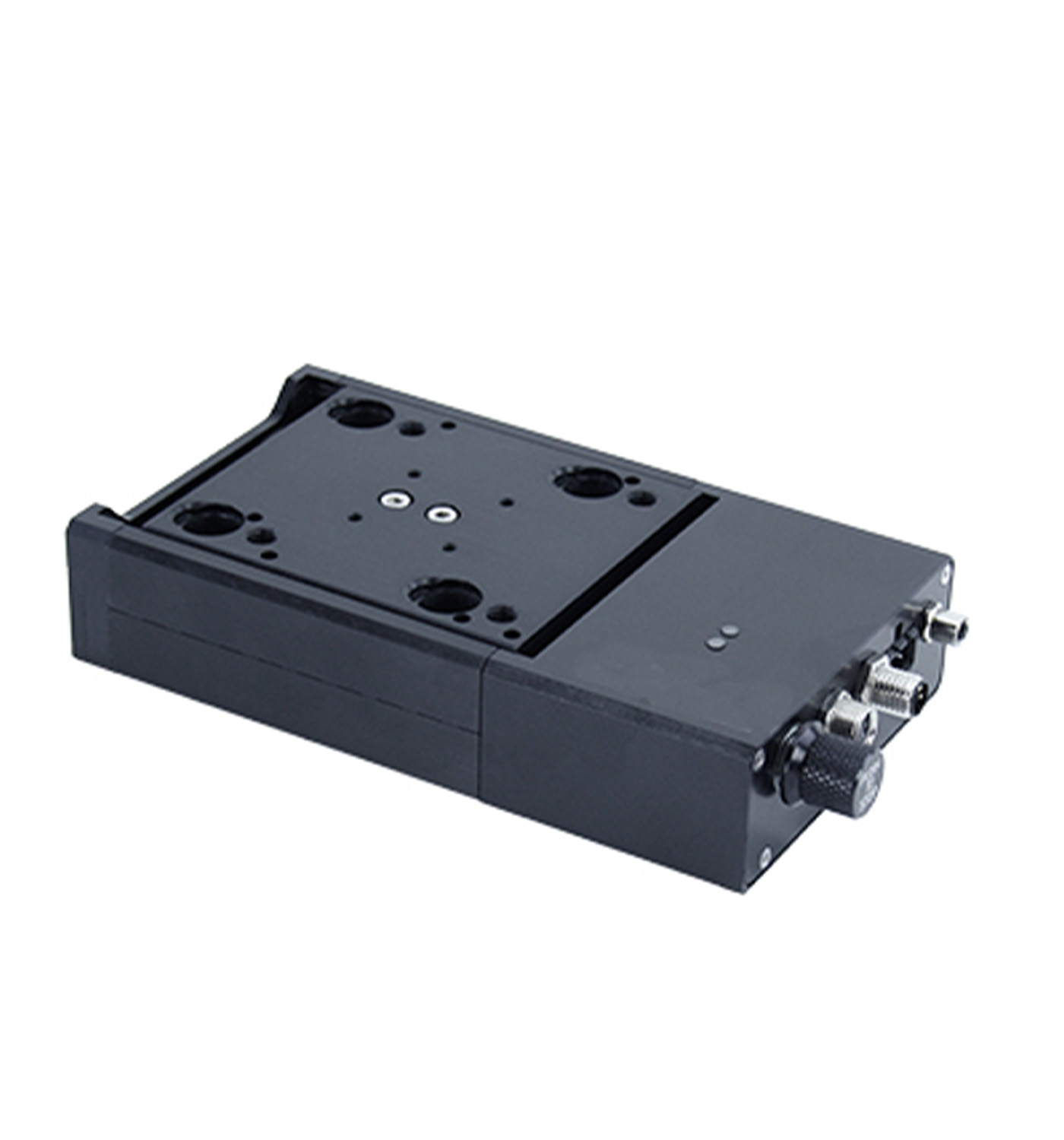
High-Speed Direct-Drive Linear Stage
The MP-DDS-12-4-0.5 is a high-performance direct-drive linear stage that employs moving-coil voice-coil motor technology for direct drive, and integrates a high-precision linear analogue encoder and a motion controller to achieve high speed, high acceleration, and high-precision positioning control. The stage uses crossed-roller bearings for guidance, offering excellent motion smoothness, rigidity, and repeatability. It is suitable for high-speed scanning, precision inspection, optical alignment, semiconductor manufacturing, and other applications. The built-in controller allows motion control via an RS-232 interface without the need for an external driver, enabling rapid integration into automated equipment and precision motion systems.
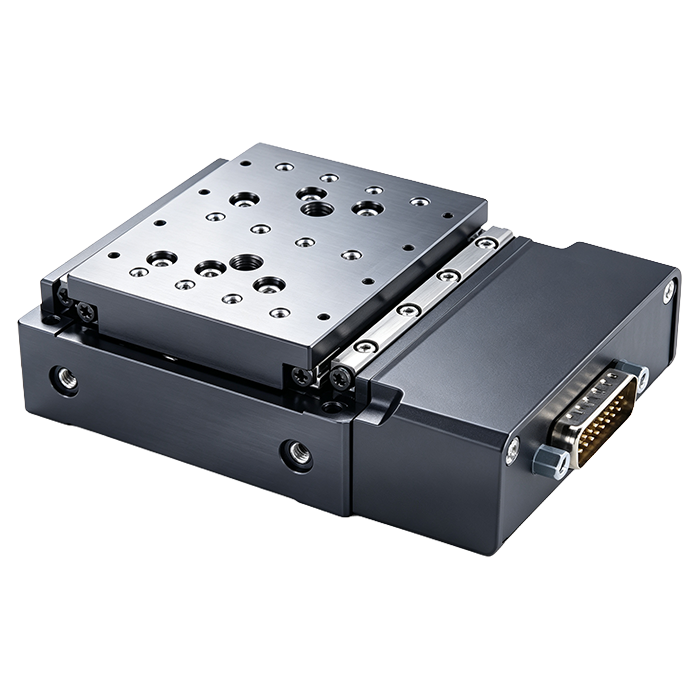
High-Precision Direct-Drive Linear Stage
The MP-DDS-10-8-0.05 is a high-precision, single-axis linear stage that employs moving-magnet voice-coil motor direct-drive technology, offering a travel range of 10 mm. The stage features a built-in high-resolution linear analogue encoder that directly measures the actual position of the moving table, enabling nanometre-level position feedback, fast response, and excellent repeatability. By eliminating mechanical transmission components such as lead screws, gears, and belts, the motor’s thrust is applied directly to the motion platform, which reduces backlash, friction, wear, and transmission errors. When paired with the recommended MCC/X‑MCC 48 V controller, the stage is well suited for rapid point-to-point positioning, precision scanning, and multi-axis coordinated motion. The stage uses anti-creep crossed-roller bearings for guidance, ensuring high motion accuracy, structural rigidity, and long-term stability. It is ideal for applications including microscopy, optical alignment, semiconductor inspection, nanopositioning, and precision automation equipment.
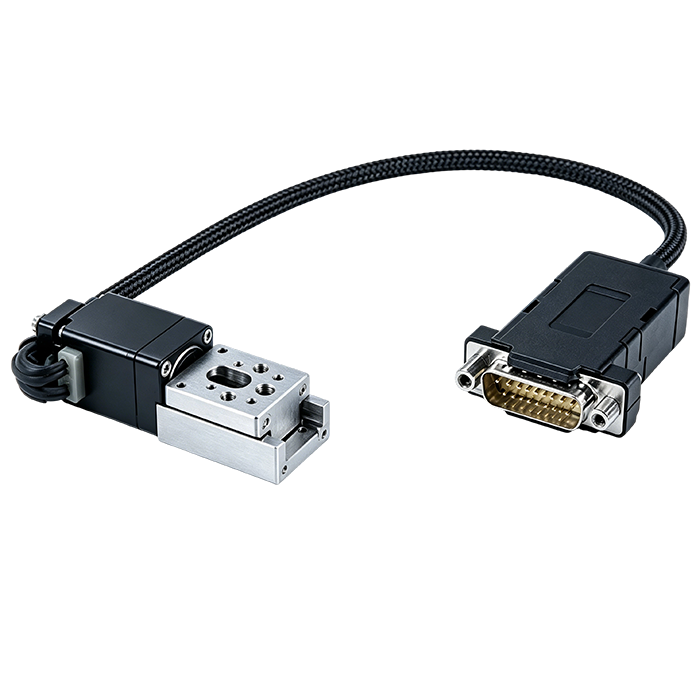
Precision Motorized Linear Translation Stage
This product is a high-precision, single-axis motorized linear translation stage. It features a precision ball-bearing guide and a precision lead-screw drive system, powered by a 2-phase stepper motor. The stage achieves sub-micrometer positioning accuracy and stable repeatability. It is suitable for applications such as optical experiments, laser processing, precision inspection, semiconductor equipment, biomedical instruments, and automated precision positioning. The stage supports magnetic Hall-effect limit sensing, and offers a compact design, smooth motion, high thrust, and excellent positioning accuracy. It can be paired with a 48 V motion controller for high-performance motion control.
High-Precision Stepper Motor Leadscrew-Driven Linear Positioning Stage
The MP-LS-10-18-1 is a high-precision single-axis linear positioning stage that combines a two-phase stepper motor with a precision leadscrew drive. It provides reliable, short-stroke motion control for optical experiments, automation equipment, and precision positioning systems. Equipped with ball guideways and Hall-effect magnetic sensor limit switches, the stage achieves micron‑level repeatability, making it suitable for research and industrial applications that demand high thrust, high stability, and accurate positioning.
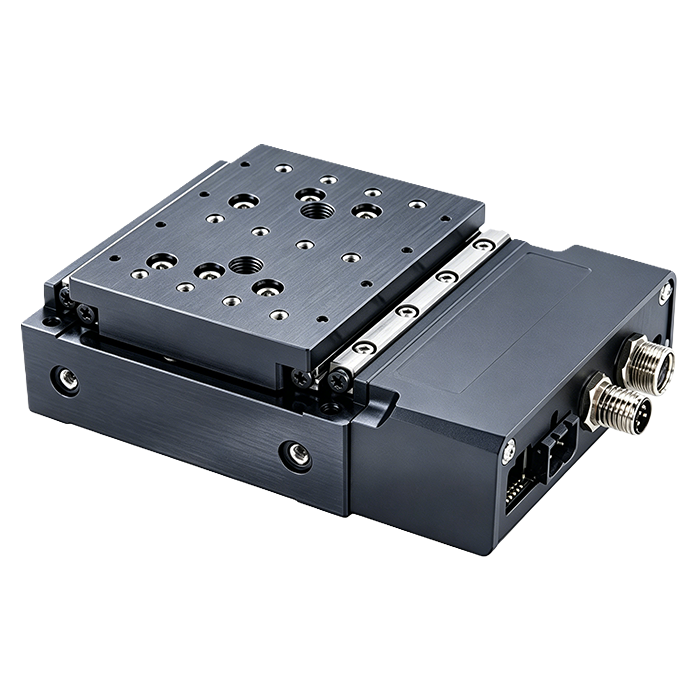
High-Precision Voice Coil Motor Linear Motion Stage
The MP-LS-10-8-0.05 is an integrated high-precision voice coil motor linear positioning stage, designed for nanometer-scale positioning and high-speed precision motion control applications. It employs moving-magnet voice coil drive technology, combined with a linear analog encoder and cross-roller guideways, to achieve high resolution, high repeatability, and stable motion performance. The stage incorporates a built-in motion controller, which can be controlled via an RS‑232 communication interface and supports the Zaber ASCII communication protocol. It is suitable for research experiments, optical system integration, semiconductor equipment, and precision automation applications.
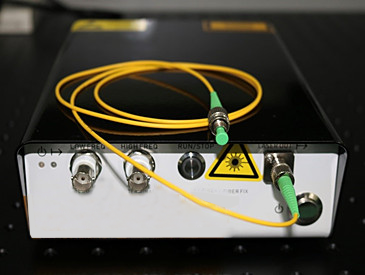
1064nm 10mW Benchtop DFB Laser Source with Software Control
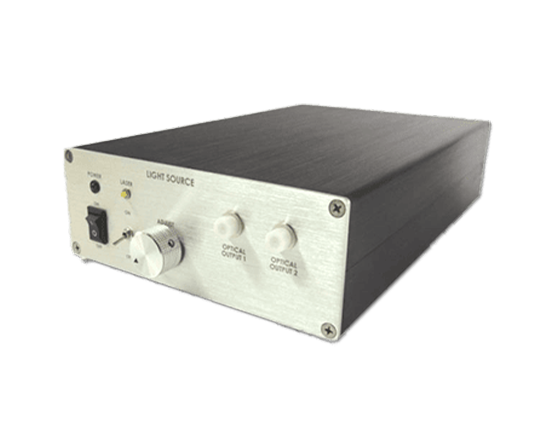
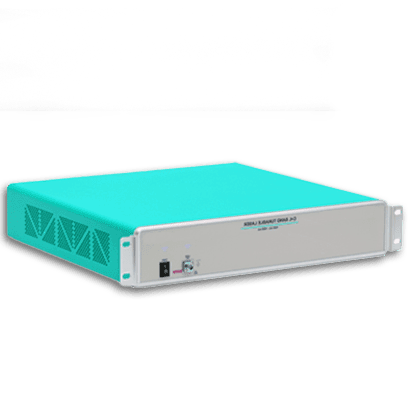
The desktop DFB light source with software control features a control system based on an advanced microprocessor. Combined with high-precision ATC and ACC (APC) control circuits, it achieves highly stable laser output while ensuring quick and intuitive control of the light source. We can also provide corresponding communication interfaces and control software according to user requirements, enabling computer control. This light source features a one-button recovery function (Run/Stop button), which can effectively help customers return to their previous working state.
1030nm 10mW Benchtop DFB Laser Source with Software Control
The desktop DFB light source with software control features a control system based on an advanced microprocessor. Combined with high-precision ATC and ACC (APC) control circuits, it achieves highly stable laser output while ensuring quick and intuitive control of the light source. We can also provide corresponding communication interfaces and control software according to user requirements, enabling computer control. This light source features a one-button recovery function (Run/Stop button), which can effectively help customers return to their previous working state.
1083nm 10mW Benchtop DFB Laser Source with Software Control
The desktop DFB light source with software control features a control system based on an advanced microprocessor. Combined with high-precision ATC and ACC (APC) control circuits, it achieves highly stable laser output while ensuring quick and intuitive control of the light source. We can also provide corresponding communication interfaces and control software according to user requirements, enabling computer control. This light source features a one-button recovery function (Run/Stop button), which can effectively help customers return to their previous working state.
 10+
10 Years of Experience
10+
10 Years of Experience
 50
50 + Countries Bussiness
50
50 + Countries Bussiness
 10000
10k + Diodes sold worldwide
10000
10k + Diodes sold worldwide
 30
30+ Invention patent
30
30+ Invention patent
 10
10+ Advanced Optical Solutions
10
10+ Advanced Optical Solutions
⇪