- Cart
- |
- Personal Center
- |
info@idealphotonics.com
















Incoherent Sources
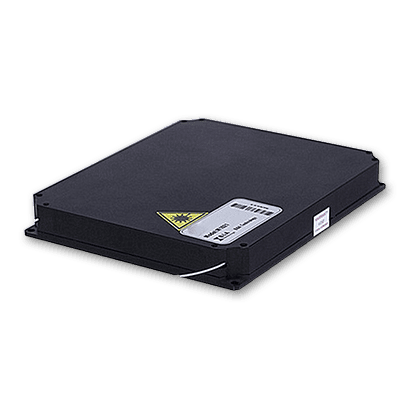
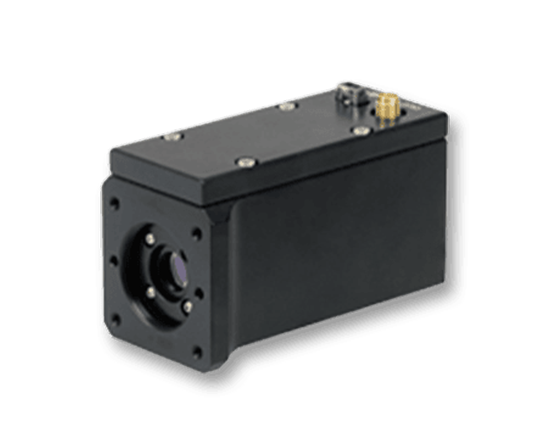
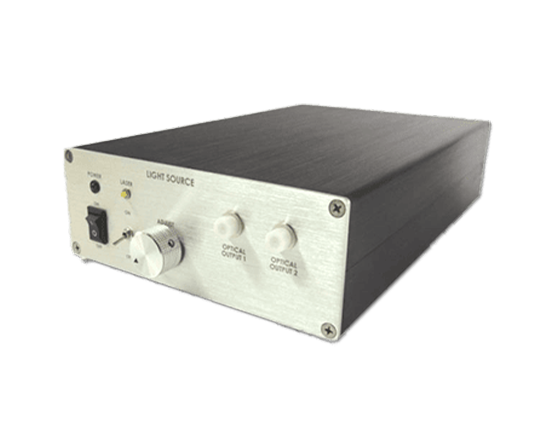
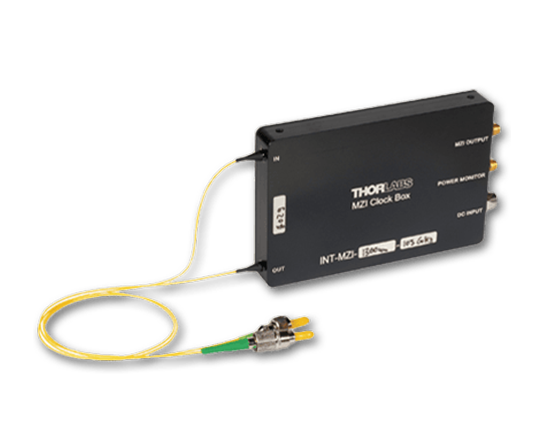
Idealphotonics' erbium-doped fiber ASE light source is a broadband light source based on amplified spontaneous emission (ASE) in erbium-doped fiber, with an output spectral range covering 1520–1570 nm (C-band), and is mainly used for fiber sensing and communication testing.Provides a broadband spectrum from 1520–1570 nm (bandwidth >50 nm) with high power stability (fluctuation <0.5 dB), but low coherence, and is primarily used for fiber sensing and communication testing applications.
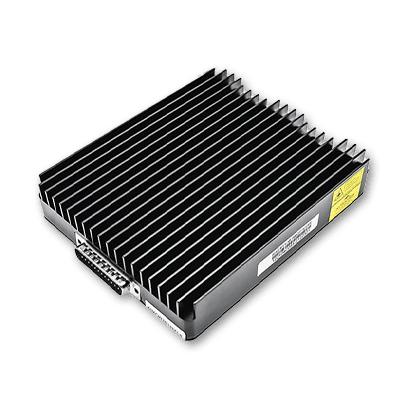
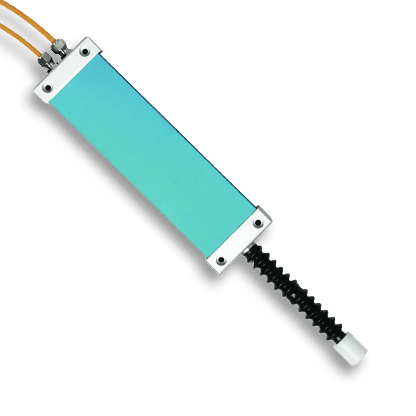
Idealphotonics' thulium-doped fiber ASE light source is a broadband light source based on amplified spontaneous emission (ASE) in thulium-doped fiber, with an output spectral range covering 1800–2100 nm (S-band), and is suitable for long-wavelength communications and gas detection.Provides a broadband spectrum from 1800–2100 nm (bandwidth >100 nm), covering absorption peaks of water molecules and gases, and is suitable for long-wavelength communication and infrared gas sensing applications.
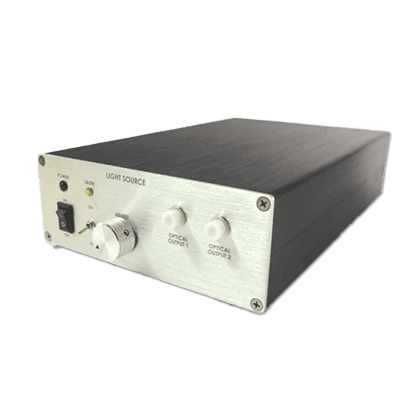
Ytterbium doped fiber ASE light source
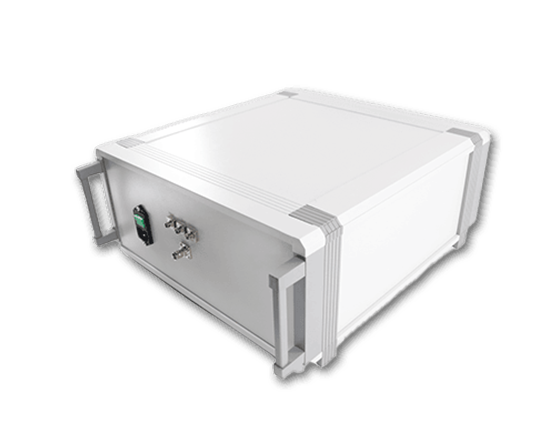
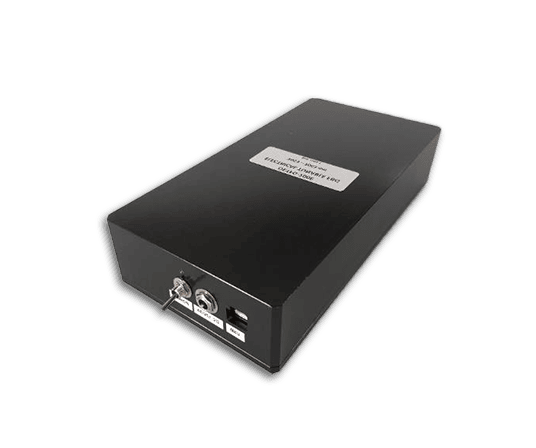
Idealphotonics' has launched an erbium-doped fiber ASE light source, a broadband light source based on the principle of spontaneous emission amplification (ASE) in erbium-doped fiber. Its output spectrum covers 1520-1570 nm (C-band), primarily used for fiber optic sensing and communication testing.It outputs a broadband spectrum of 1520-1570 nm (bandwidth > 50 nm) and exhibits high power stability (fluctuation < 0.5 dB), but suffers from poor coherence. It is mainly used for fiber optic sensing and communication testing.
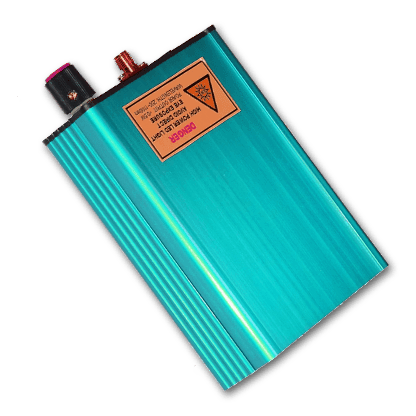
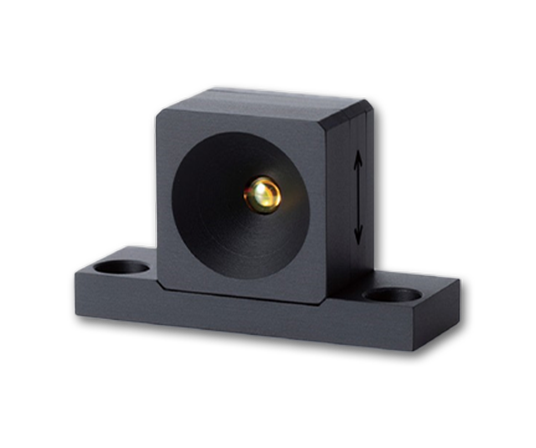
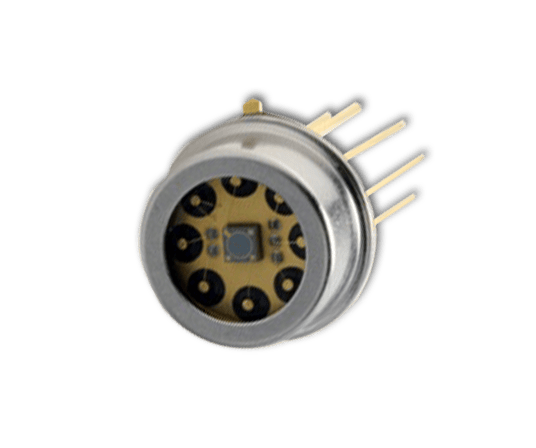
IdealPhotonics' LED light source is a solid-state light source based on the electroluminescence principle of semiconductor PN junctions. It emits incoherent light of specific wavelengths (visible/infrared/ultraviolet) through electron-hole recombination, exhibiting low power consumption, long lifespan, and fast response. It is widely used in lighting, display, and optical communication fields.Achieving high-efficiency energy conversion (luminous efficacy >200 lm/W) through electroluminescence, it also boasts ultra-long lifespan (>50,000 hours), fast response (ns-level), and narrow-band spectral output (half-width as narrow as 20 nm), making it the preferred light source for energy-saving lighting, full-color displays, and visible light communication (VLC).
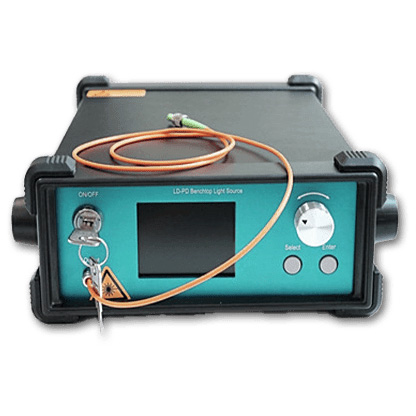
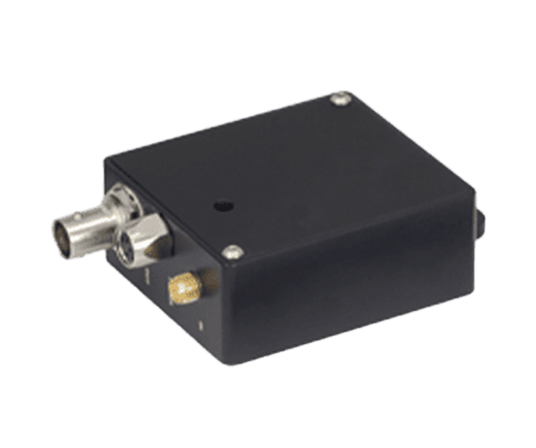
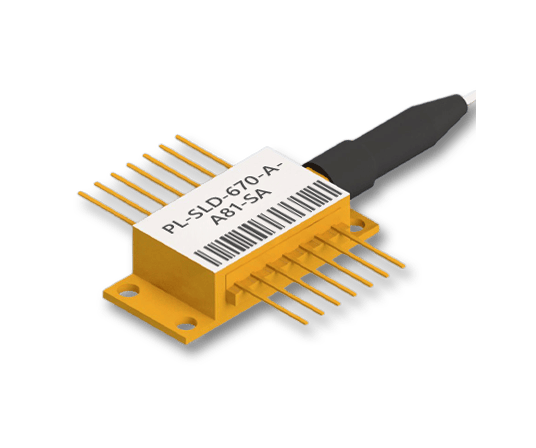
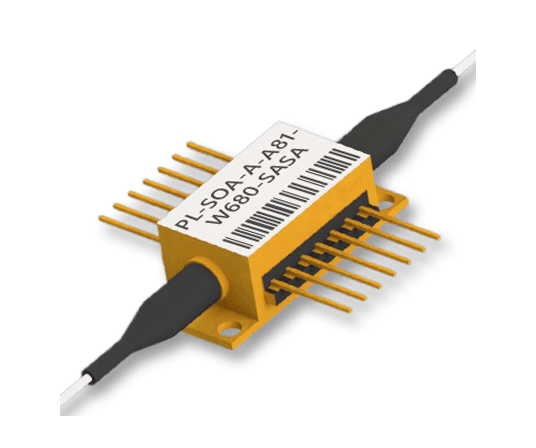
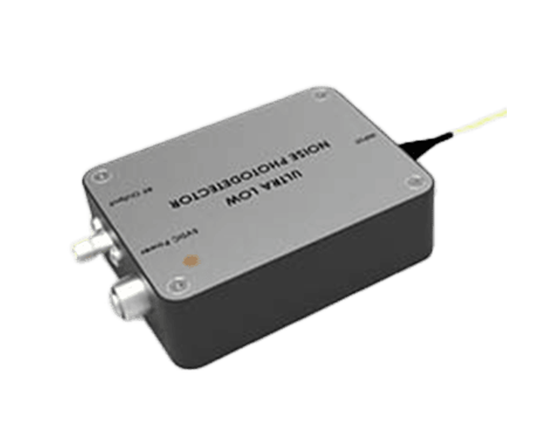
IdealPhotonics' SLD light source is a semiconductor light source positioned between laser diodes (LDs) and light-emitting diodes (LEDs). It generates high-brightness output with a wide spectrum (Δλ≈20-100 nm) and low temporal coherence (coherence length 0.1-1 mm) through amplified spontaneous emission (ASE), combining the high power of lasers with the low coherence of LEDs. It is specifically designed for optical coherence tomography (OCT), fiber optic sensing, and interferometry.Broad spectrum output of 20-100 nm is achieved through the amplified spontaneous emission (ASE) mechanism, while also possessing high power density (mW level), low coherence (coherence length 0.1-1 mm), and narrow beam divergence angle, making it an ideal light source for low-coherence interferometric systems such as OCT imaging and fiber optic sensing.
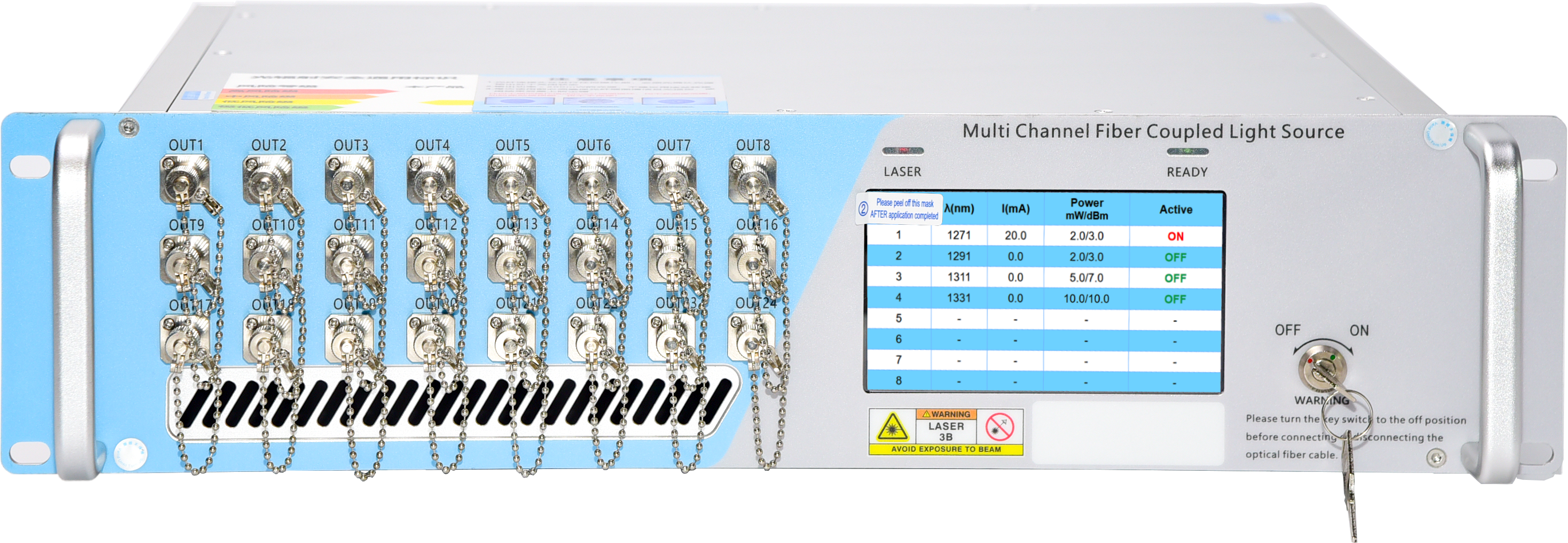
Multi-channel Fiber Light Source
Multi-channel Fiber Light Source is a multi-port output device that integrates multiple laser diodes or LEDs to deliver stable, independent optical signals through separate optical channels, mainly used for parallel testing, wavelength multiplexing, and multi-sensor systems.
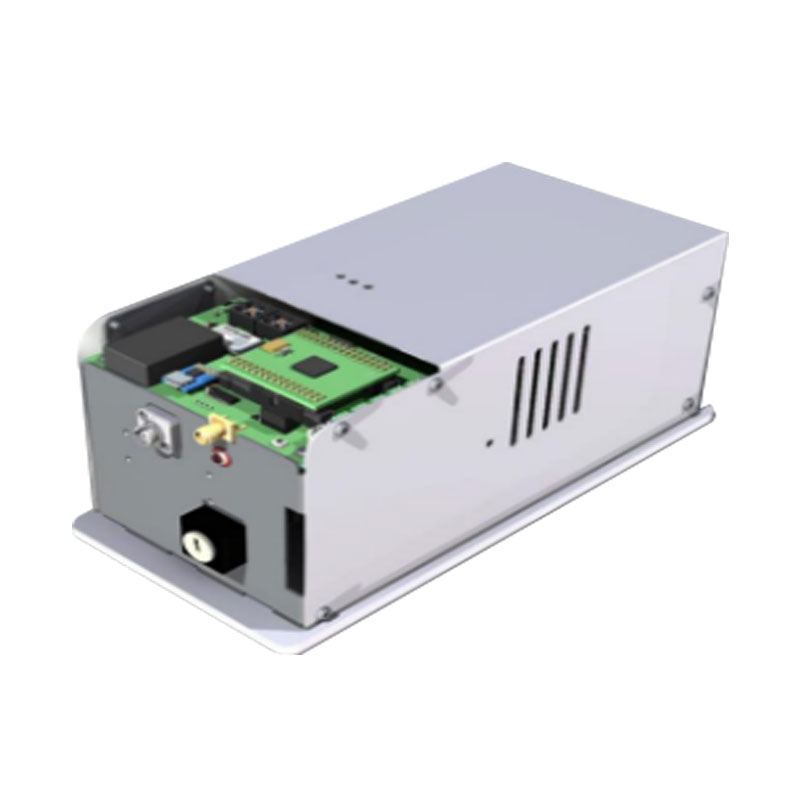
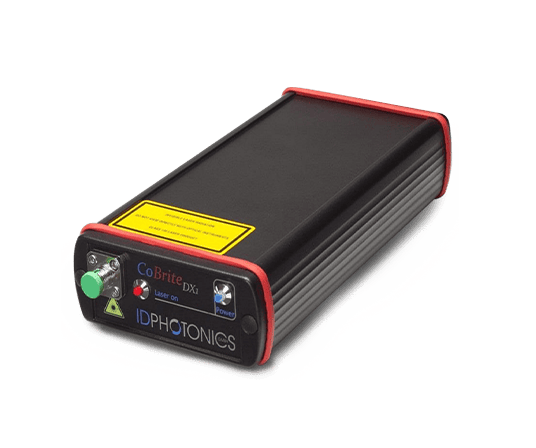
Fiber-coupled Laser Source is a type of light source equipment that efficiently couples the light beams generated by semiconductor laser diodes, solid-state lasers or Fiber lasers into optical fibers (single-mode or multi-mode) through a precise optical system and then outputs them. It has the characteristics of uniform output spot, flexible optical path transmission, and easy system integration. It is widely applied in fields such as optical fiber communication, laser processing, biomedicine and spectral analysis.
 10+
10 Years of Experience
10+
10 Years of Experience
 50
50 + Countries Bussiness
50
50 + Countries Bussiness
 10000
10k + Diodes sold worldwide
10000
10k + Diodes sold worldwide
 30
30+ Invention patent
30
30+ Invention patent
 10
10+ Advanced Optical Solutions
10
10+ Advanced Optical Solutions
⇪