- Cart
- |
- Personal Center
- |
info@idealphotonics.com

















Fiber Optic Sensors

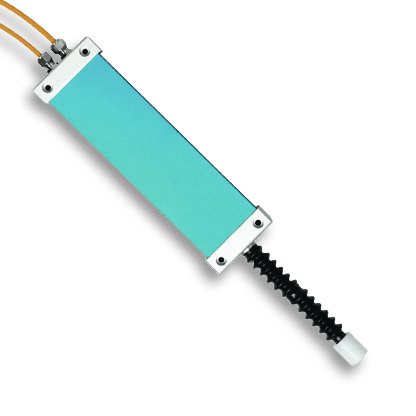
IdealPhotonics' fiber optic temperature sensor is a temperature sensing device based on the Bragg wavelength shift principle (sensitivity ~10 pm/℃). Utilizing the temperature-dependent characteristics of the fiber optic grating (FBG) reflection peak (linearity >99.9%), it achieves high-precision (±0.1℃) temperature monitoring in distributed (single-fiber, multi-point) or extreme environments (-200℃~1000℃), suitable for online temperature measurement in complex scenarios such as power grids and spacecraft.The "wavelength-calibrated absolute temperature measurement" utilizes FBG Bragg wavelength shift (sensitivity 10-30 pm/℃) and demodulation technology (resolution ±0.01℃) to achieve electromagnetic interference resistant, long-term stable (annual drift <0.1℃) distributed monitoring (100+ measurement points per fiber), providing an intrinsically safe temperature sensing solution for nuclear power plants and spacecraft thermal control systems.

IdealPhotonics' fiber optic strain sensor is a mechanical measurement device based on Bragg wavelength shift (sensitivity ~1.2 pm/με). Utilizing the linear response (linearity >99%) of the fiber optic grating (FBG) reflection peak to strain, it enables distributed (multiple measurement points per fiber) or harsh environment (-270℃~800℃) micro-strain (±1με) monitoring, suitable for fields with stringent long-term reliability requirements such as bridge health diagnosis and aircraft structural monitoring.The "micro-strain wavelength scale," through FBG Bragg wavelength strain sensitivity (1.2 pm/με) and nanometer-level demodulation technology (resolution ±0.5με), achieves electromagnetic interference resistant, long-term stable (20-year lifespan) distributed measurement (>200 measurement points per fiber), providing a full-lifecycle structural health monitoring solution for large bridges, wind turbine blades, and other applications.

IdealPhotonics' fiber optic grating pressure sensor is a mechanical measurement device based on elastomer-FBG coupling. It achieves absolute pressure measurement over a wide range of 0-100MPa (accuracy ±0.1%FS) and is corrosion-resistant, through grating wavelength shift caused by pressure-sensitive membrane deformation (sensitivity ~10pm/kPa). This makes it suitable for long-term monitoring in harsh environments such as oil wells and subsea pipelines.The "All-Medium High-Pressure Force Ruler" utilizes optimized coupling between a special elastomer (such as 316L stainless steel) and an FBG (sensitivity 20pm/MPa, overload capacity 150%FS) to achieve explosion-proof and corrosion-resistant measurement over an ultra-wide range of 0-200MPa (long-term drift <0.05%FS/year). This provides a lifetime maintenance-free pressure monitoring solution for deep-sea oil and gas wells and highly corrosive chemical reactors.

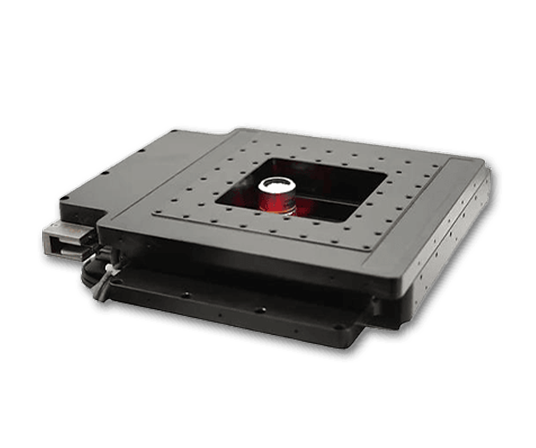
IdealPhotonics' fiber optic grating displacement sensor is a measurement device that converts displacement into a wavelength signal through mechanical structure-FBG coupling. It amplifies micro-displacements (sensitivity ~100 pm/μm) using an elastic beam or lever mechanism, achieving absolute displacement measurement with a range of 0-100 mm (resolution 0.1 μm) and resistance to electromagnetic interference. It is suitable for deformation monitoring of large structures (such as dams and bridges) and micro-displacement detection in precision manufacturing.The "All-Fiber Nanoscale Displacement Scale" utilizes a high-rigidity lever amplification structure (sensitivity 500 pm/mm, nonlinearity <0.1%FS) and a temperature-compensated grating design (temperature effect <0.5 μm/℃) to achieve absolute displacement measurement over a large range of 0-200 mm (resolution 0.05 μm). It provides a long-term, reliable solution against electromagnetic interference for large radio telescope panel calibration and high-speed rail track settlement monitoring.

Fiber optic refractive index sensor
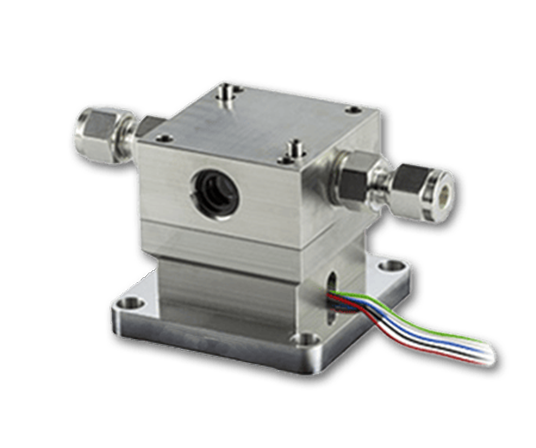
IdealPhotonics' fiber optic refractive index sensor is an optical device based on the interaction between evanescent fields or fiber gratings (such as long-period gratings, LPGs) and the external medium. By measuring resonant wavelength shift (sensitivity > 100 nm/RIU) or intensity modulation, it achieves liquid/gas refractive index detection within the 1.30-1.45 RIU range (resolution 10⁻⁵ RIU), suitable for biochemical analysis, environmental monitoring, and other fields.The "Microliter Sample High-Sensitivity Refractive Index Probe," through optimized evanescent field coupling structure (sensitivity 500 nm/RIU) or surface plasmon resonance (SPR) enhancement design (resolution 10⁻⁷ RIU), enables real-time online monitoring of trace liquids (detection volume < 1 μL), providing a label-free optical detection solution for early cancer diagnosis and chemical reaction process control.

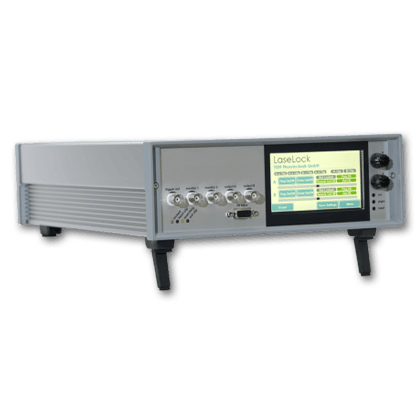
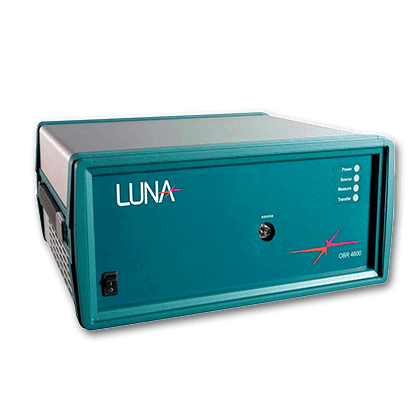
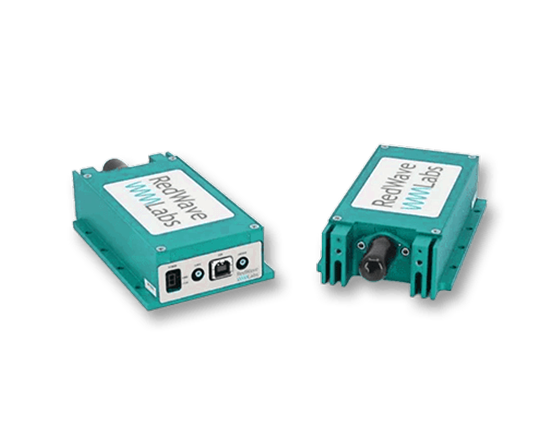
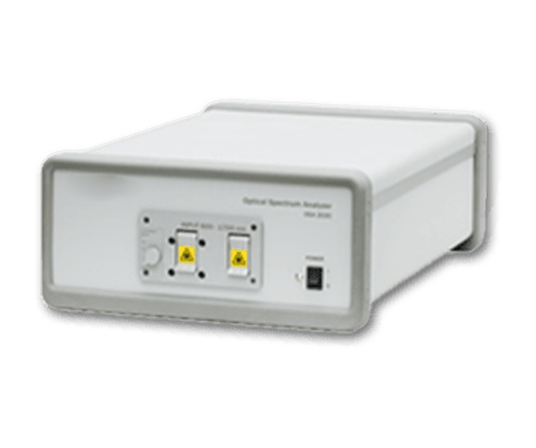
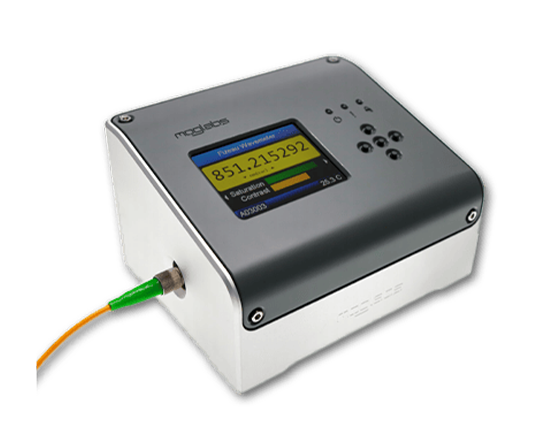
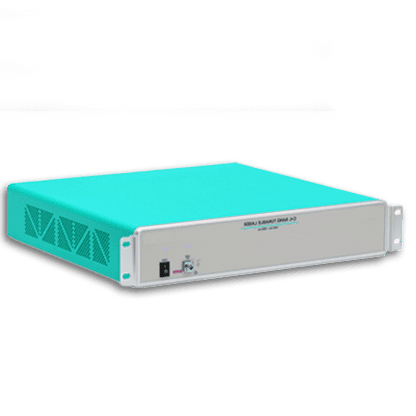
The FBG sensor interrogator is a precision instrument dedicated to the analysis of fiber Bragg grating (FBG) wavelength signals. Through high-speed spectral scanning (resolution ±1 pm) or interferometric interrogation technology (dynamic range >50 dB), it monitors in real time the center wavelength shift of FBG reflection/transmission spectra (sensitivity 0.1 pm), making it suitable for distributed high-precision sensing systems for multiple parameters such as strain, temperature, and pressure.
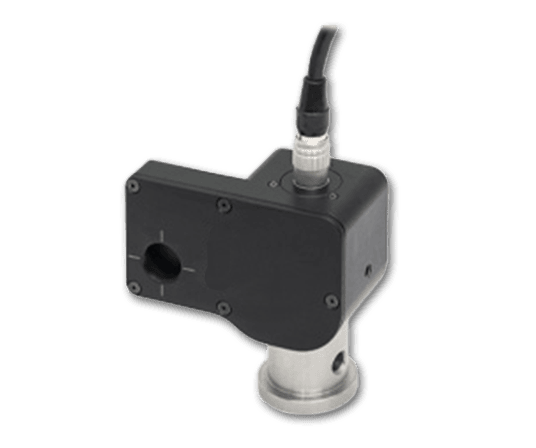
The fiber Bragg grating accelerometer is based on our advanced fiber Bragg grating and packaging technology, and is used for low-frequency vibration monitoring of bridges, high-rise buildings, dams, railways, and the like.
 10+
10 Years of Experience
 50
50 + Countries Bussiness
 10000
10k + Diodes sold worldwide
 30
30+ Invention patent
 10
10+ Advanced Optical Solutions
⇪