- Cart
- |
- Personal Center
- |
info@idealphotonics.com






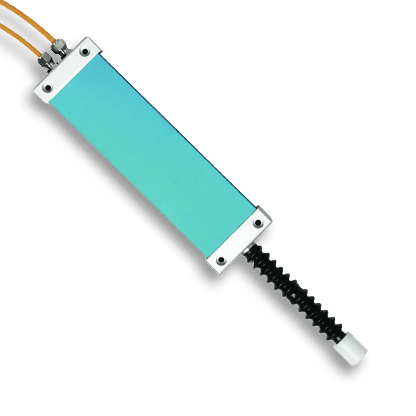
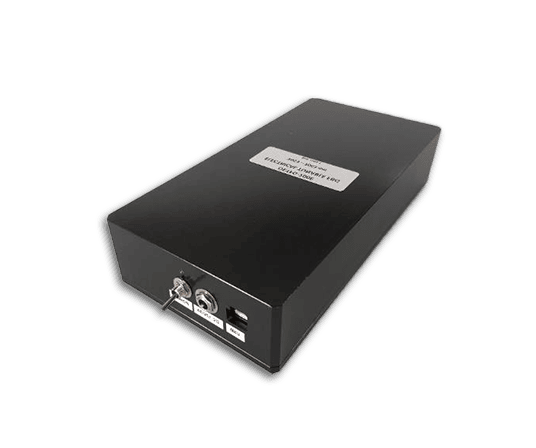


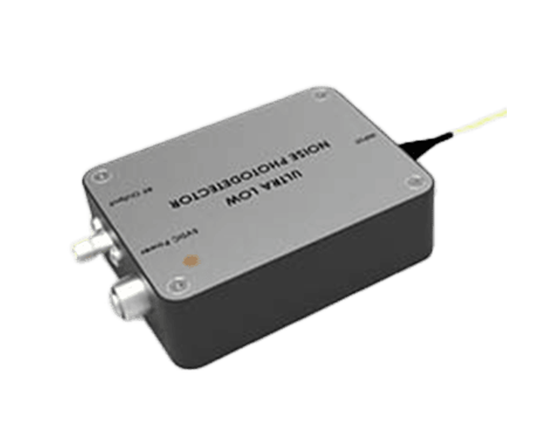
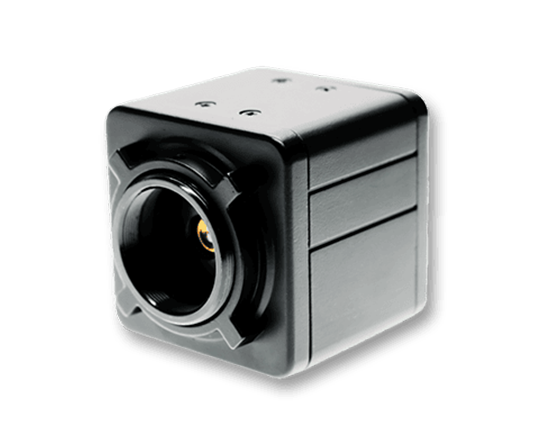








Fiber optic components
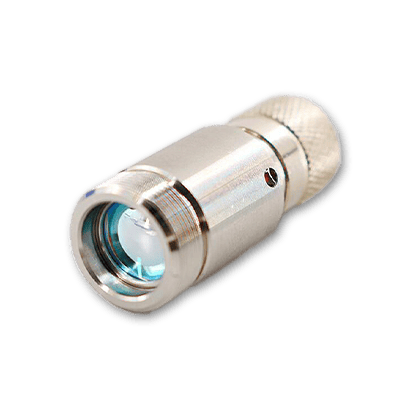
IdealPhotonics' fiber collimator is an optical device that converts fiber optic output light into a collimated beam (or reverse-coupled beam). It achieves low-loss (<0.3dB) beam shaping through a self-focusing lens (GRIN) or microlens group (collimation <0.5mrad), and is widely used in fiber optic communication, laser processing, and optical sensing systems."Sub-milliradian-level beam collimation," achieved through high-precision lens groups (GRIN/aspherical) and nanoscale fiber positioning technology (offset tolerance ≤1μm), realizes ultra-low divergence angle (
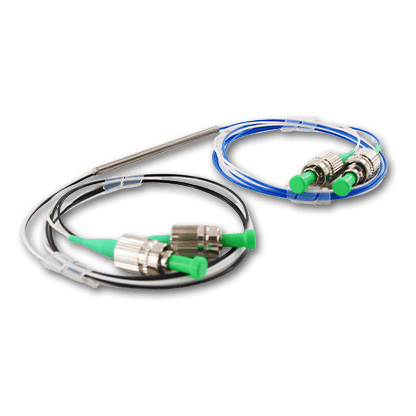
IdealPhotonics' fiber optic couplers/splitters are passive devices that enable directional distribution or combining of optical signals. They achieve specific splitting ratios (e.g., 50:50 or 1×N splitting) through fused taper or planar waveguide technology (insertion loss <0.2dB), and are widely used in fiber optic networks, sensing systems, and laboratory optical path construction."Precise and controllable splitting ratio" is achieved through fused taper technology (error <±5%) or PLC chip technology (uniformity <0.8dB), enabling low-loss (<0.3dB) distribution/combining of optical power. Supporting multi-channel splitting from 1×2 to 1×64, they provide efficient optical power management solutions for 5G fronthaul, FTTH, and other fiber optic networks.
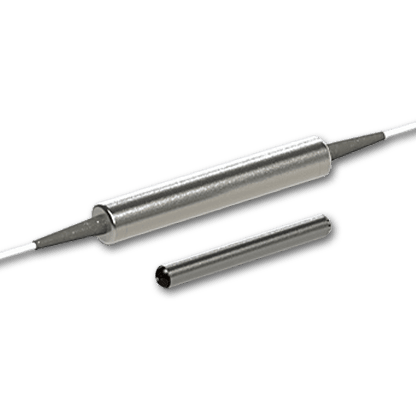
IdealPhotonics' fiber optic wavelength division multiplexer (WDM) is a passive device for multiplexing/demultiplexing multi-wavelength optical signals. Through thin-film filtering (TFF) or arrayed waveguide grating (AWG) technology, it achieves ultra-low crosstalk (>30dB) and insertion loss (
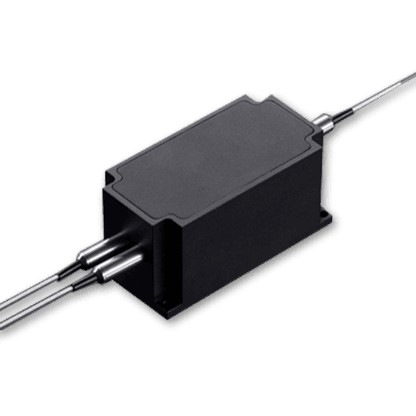
IdealPhotonics' circulator is a non-reciprocal optical path device that achieves low-loss (
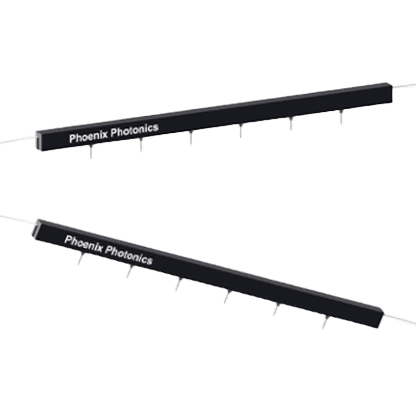
Fiber polarization control component
IdealPhotonics' fiber polarization control element is an optical device that dynamically manipulates the polarization state of light waves through waveplates, stress adjustment, or polarization-maintaining fiber structures. It supports polarization state rotation (0-360°), extinction ratio enhancement (>25dB), and polarization mode dispersion compensation (accuracy
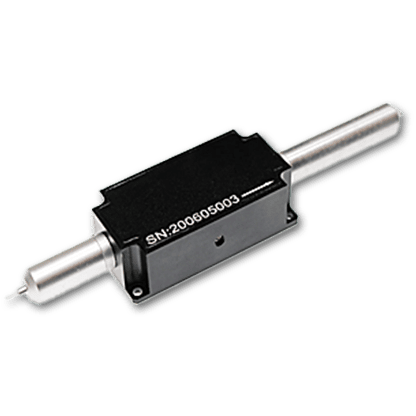
IdealPhotonics' fiber optic isolator is a unidirectional transmission device based on the non-reciprocal magneto-optical effect. It achieves ultra-low forward insertion loss (
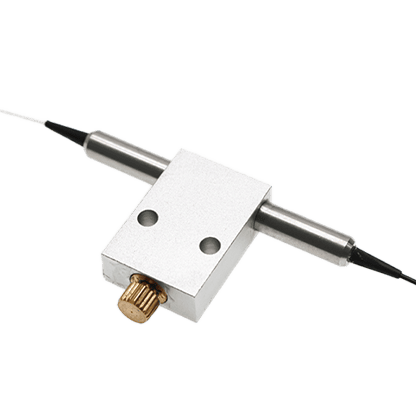
IdealPhotonics' fiber optic attenuator is a passive device that precisely adjusts the optical signal intensity through controllable loss mechanisms (such as air gaps, doped filters, or micro-bending principles). It supports fixed (1-30dB) or adjustable (0.5dB steps) attenuation, with insertion loss stability <0.1dB, making it suitable for power balancing in optical communication systems and equipment testing and calibration."dB-level precision controllable loss" achieves precise optical power attenuation (range 0-60dB) through neutral density filters (accuracy ±0.05dB) or intelligent micro-bending mechanisms (repeatability <0.1dB), providing laboratory-level controllability for optical module aging tests and DWDM system power balancing.
IdealPhotonics' fiber optic filter is an optical device based on wavelength selectivity. It achieves ultra-narrowband (<0.1nm) or broadband (±10nm) filtering through thin-film interference (TFF), fiber gratings (FBG), or micro-ring resonant structures, with insertion loss <0.5dB. It is suitable for wavelength division multiplexing (WDM), spectral analysis, and fiber optic sensing systems.The "nanoscale wavelength sniping" technology, using thin-film interference (channel flatness
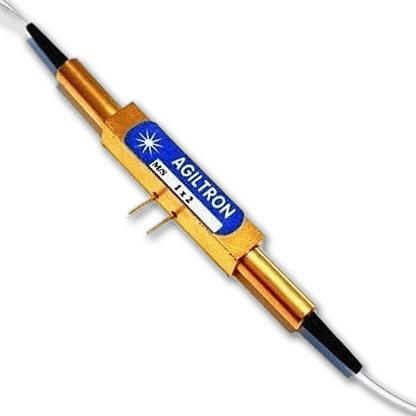
IdealPhotonics' optical switch is an optical device that controls the on/off switching of optical paths through physical or electronic means. It achieves millisecond-level (<5ms) low-loss (<1dB) routing switching of multi-port (1×N/M×N) optical signals via mechanical (e.g., MEMS micromirrors), magneto-optical, or electro-optical effects, providing flexible optical path reconfiguration capabilities for fiber optic networks and testing systems.The "microsecond-level intelligent optical path switching" utilizes MEMS micromirror arrays (response time <10μs) or liquid crystal technology (insertion loss
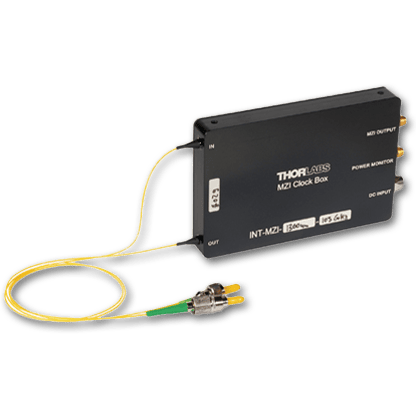
IdealPhotonics' interferometer is a high-precision measuring instrument based on the principle of optical wave interference. It uses a beam splitter to divide incident light into two or more paths, which are then recombined after transmission along different paths to generate interference fringes (sensitivity up to λ/1000). This enables ultra-precise measurement of physical quantities such as length and refractive index, and is widely used in cutting-edge fields such as gravitational wave detection and optical surface inspection.The "sub-nanometer optical path difference resolution" technology, through common-path interferometry (stability < λ/100) and phase demodulation (sensitivity 0.1 nm), achieves atomic-level precision measurement of physical quantities such as surface morphology and gravitational waves, providing the ultimate measurement benchmark for chip lithography and space gravity detection.
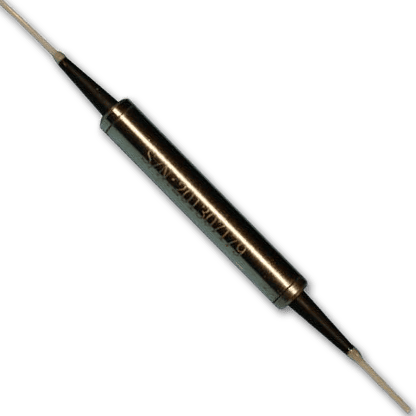
The etalon launched by Idealphotonics' is a precision optical element based on the principle of multi-beam interference. It generates equal-inclination interference fringes (fineness >100) through parallel high-reflectivity mirrors (interval adjustable in μm-cm), enabling laser frequency stabilization, ultra-narrowband filtering (linewidth<0.01nm), and high-resolution spectral measurements. It serves as a benchmark device for optical metrology and laser technology.The "picometer-level wavelength calibration," through ultra-high parallelism mirrors (
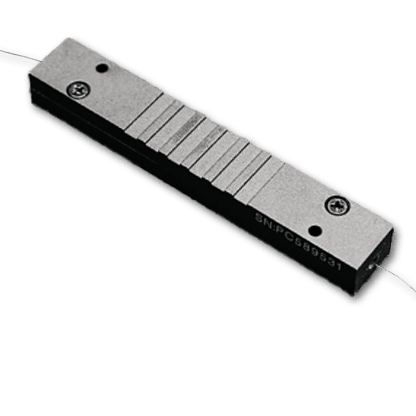
IdealPhotonics' mode field adapter is a transition device that enables low-loss coupling between fibers with different mode field diameters. It dynamically adjusts the beam diameter using tapered fibers or microlens arrays (insertion loss <0.5dB), solving mode mismatch problems between single-mode and multi-mode or heterogeneous fibers. It is suitable for cross-platform optical systems such as fiber lasers and heterogeneous optical networks."Micron-level precise mode field matching" achieves ultra-low-loss (<0.3dB) mode switching between heterogeneous fibers (such as single-mode to photonic crystal fiber) through graded-index lenses (GRIN) or fused biconical tapering technology (transition region length <1mm), providing an "optical impedance matching" solution for heterogeneous optical device interconnection.
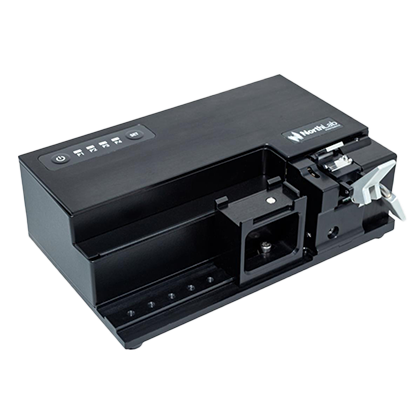
IdealPhotonics' optical delay line is an optical device that controls signal delay time through adjustable optical path length. It achieves precise synchronization/delay of optical signal timing (jitter <0.1ps) through mechanical translation (6.7fs delay for 1μm resolution) or fiber stretching technology (delay range 0-100ns), making it suitable for systems with stringent time accuracy requirements, such as lidar and quantum optics."Femtosecond-level precise optical path length control" achieves subwavelength-level modulation of optical signal delay (range 0-1μs, jitter <10fs) through a high-precision translation stage (0.1μm displacement resolution for 0.67fs delay) or fiber coil temperature tuning (stability <1fs). This provides the ultimate timing reference for quantum entanglement synchronization and ultrafast optical coherence tomography (OCT).
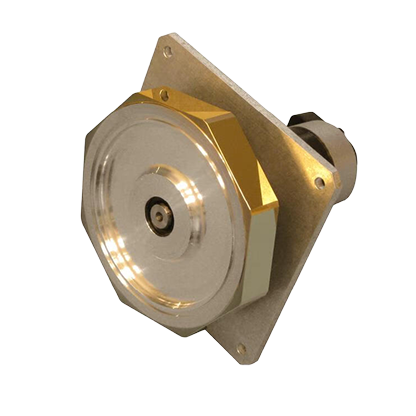
IdealPhotonics' fiber optic phase modulator is an optical signal control device based on electro-optic/acousto-optic effects. It achieves dynamic 0-2π carrier phase modulation (GHz-level bandwidth, Vπ < 3V) through lithium niobate (LiNbO₃) waveguides or fiber stretching mechanisms, providing a crucial means of optical field manipulation for systems such as coherent communication and quantum key distribution."GHz-level agile phase control" utilizes lithium niobate (LiNbO₃) electro-optic waveguides (Vπ ≤ 2V) or fiber loop piezoelectric actuation (resolution 0.01 rad) to achieve ultrafast (response < 1 ns) and highly linear (nonlinear distortion < -50 dBc) modulation of the optical carrier phase, providing a foundation for precise optical field control in quantum state preparation and ultra-high-speed coherent optical communication.
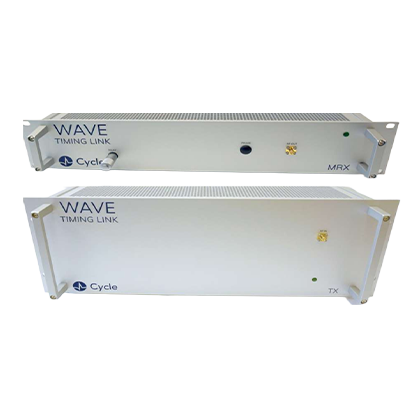
Our mode multiplexers/demultiplexers and mode converters are manufactured using a unique process, offering advantages such as low loss, low crosstalk, and a wide operating wavelength range. They are perfectly matched with our few-mode fibers and are key components for mode multiplexing and demultiplexing, suitable for optical transmission, optical sensing, scientific research, and other fields. We can provide complete solutions and customized services for mode couplers for both few-mode and multi-core few-mode fibers.
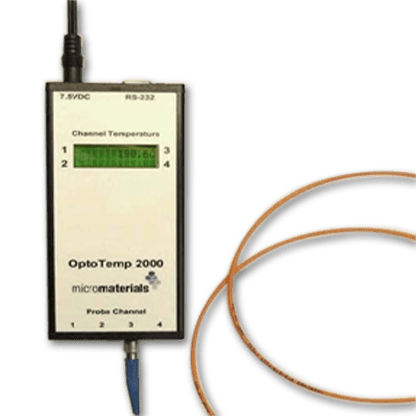
Space Division Multiplexing Components
IdealPhotonics' space division multiplexing (SDM) device is an optical or electrical device that utilizes spatial dimensions as a new transmission channel to achieve parallel transmission of multiple signals at the same time and frequency.The core feature of SDM devices is the revolutionary capacity increase and integration advantages they bring through spatial dimension, but they also introduce significant challenges that must be overcome, such as crosstalk and system complexity.
 10+
10 Years of Experience
10+
10 Years of Experience
 50
50 + Countries Bussiness
50
50 + Countries Bussiness
 10000
10k + Diodes sold worldwide
10000
10k + Diodes sold worldwide
 30
30+ Invention patent
30
30+ Invention patent
 10
10+ Advanced Optical Solutions
10
10+ Advanced Optical Solutions
⇪