- Cart
- |
- Personal Center
- |
info@idealphotonics.com


















New Products
New Products

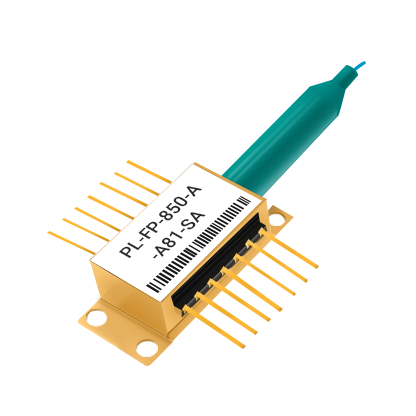
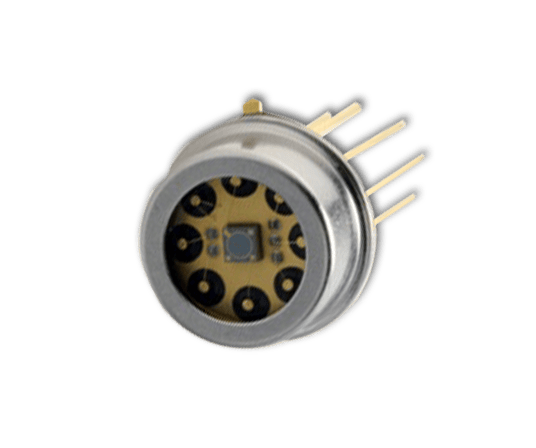
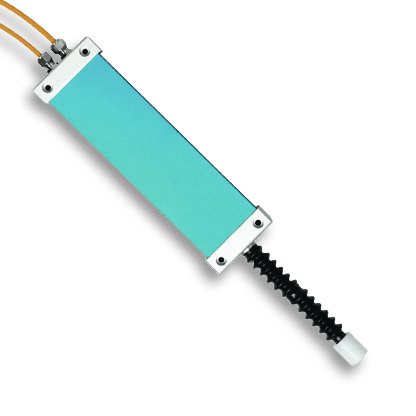
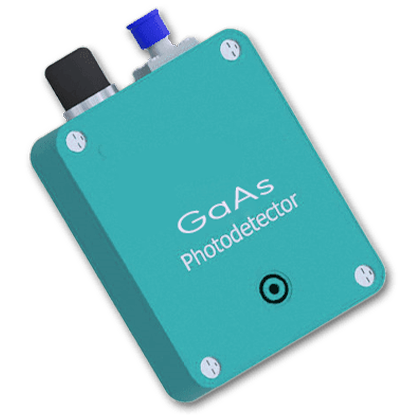
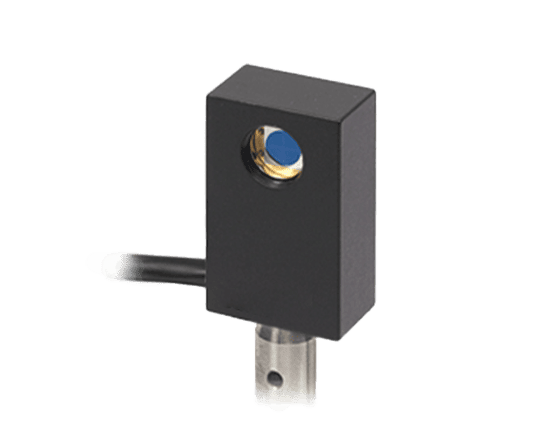
1000–1600nm InGaAs Photodiode, 30GHz
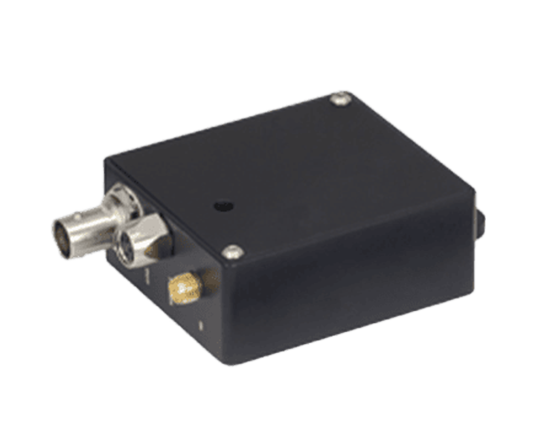
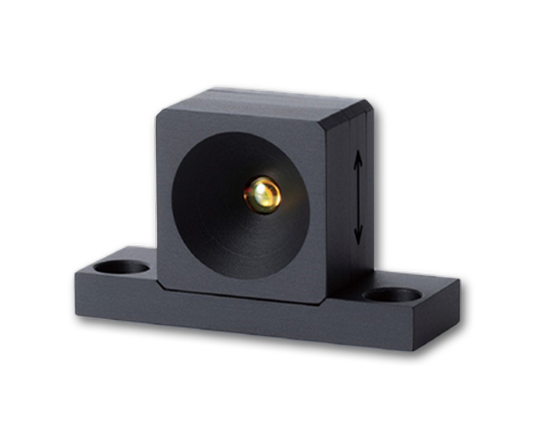
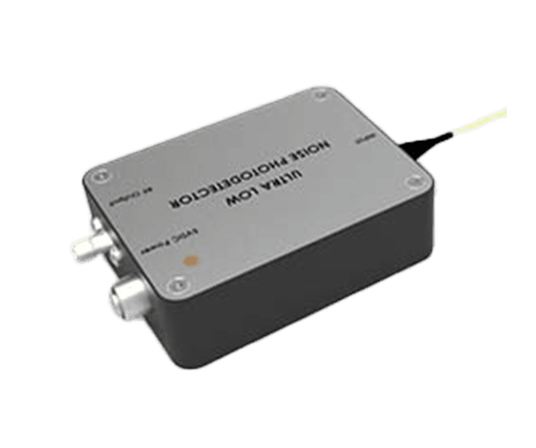
The InGaAs photodiode is based on a unique package featuring high-speed, fast rise-and-fall response. The component integrates a fiber with a high-sensitivity photodiode for signal detection. The output is analog (without a TIAC). Our design minimizes component assembly costs and module footprint while improving stability over wide temperature and wavelength ranges. Three analog response speeds of 10 GHz, 20 GHz, and 32 GHz are available. The detector can also be ordered with integrated bias circuitry and an SMA RF connector.

2-Channel 5 MHz 16-bit High-Speed Synchronous Data Acquisition Module
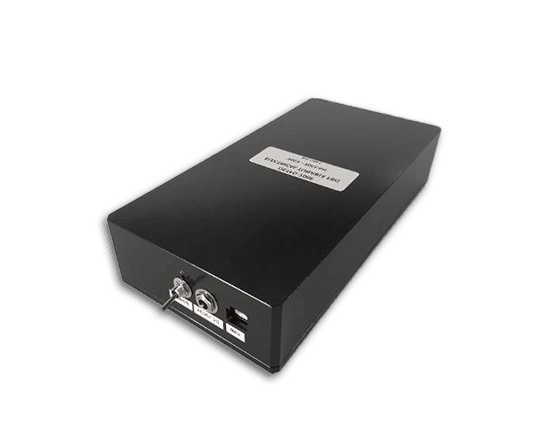
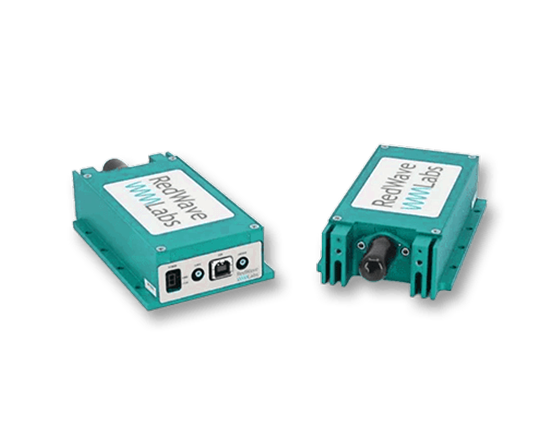
The MP-LD7142R-10M16 is a 2-channel, 16-bit, 10 Msps synchronous sampling data acquisition instrument. It uses an RJ45 communication interface and is equipped with onboard DDR3 memory providing 512 MB of storage depth. The unit supports multiple input ranges: ±1 V, ±2 V, ±5 V, and ±10 V, with an input bandwidth of DC-5 MHz, making it suitable for a variety of analogue signal acquisition and recording needs. It supports multiple trigger modes including hardware trigger, software trigger, and manual trigger, as well as continuous sampling mode. The manufacturer provides a companion PC demo software for device configuration, real-time data display and storage, along with a DLL dynamic link library and a software development kit (SDK) to facilitate secondary development and system integration.

2-Channel 5 MHz 14-bit High-Speed Synchronous Data Acquisition Module
The MP-LD7142R-10M14 is a multi-channel high-speed data acquisition module available in 2-, 4-, and 8-channel configurations. It features a 14-bit high-resolution synchronous sampling architecture, with per-channel sampling rates selectable at 10 MS/s, 20 MS/s, 40 MS/s, or 80 MS/s, corresponding to analog input bandwidths of DC-5 MHz, DC-10 MHz, DC-20 MHz, and DC-40 MHz, respectively. The unit incorporates DDR3 memory with standard capacities of 512 MB or 1 GB, and larger capacities can be customized upon project requirements. Communication interfaces include Gigabit Ethernet, USB 3.0, or 10G optical port, making it suitable for optical coherence tomography (OCT), non-destructive testing, LiDAR, waveform recording, and multi-channel transient signal acquisition.

Elliptical-Cladding Polarization-Maintaining Fiber
The elliptical-cladding polarization-maintaining fiber is a specially designed stress-type PM fiber, whose structural characteristics provide excellent polarization-maintaining performance. Compared with bow-tie PM fibers, the elliptical-cladding design offers lower process complexity and better geometrical uniformity. By optimising the axial uniformity of the fiber and adopting independently developed inner and outer coating materials, this fiber exhibits outstanding temperature stability and birefringence performance. It is widely used in fiber optic gyroscopes, current transformers, and other polarization-sensitive components.

900–1700 nm High-Resolution Hyperspectral Camera
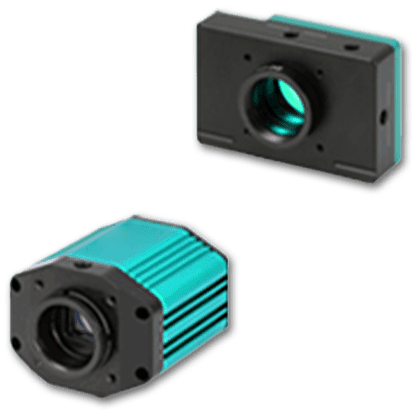
The MP-NIR-900-1700 is a hyperspectral camera covering the 900–1700 nm near-infrared band. It simultaneously acquires spatial and spectral information of the target over a continuous spectral range. The camera features a compact symmetric optical design, offering high spectral resolution, high spatial resolution, low distortion, and easy integration. Equipped with an InGaAs focal-plane array detector, it is widely applicable in agricultural remote sensing, food and pharmaceutical inspection, mineral identification, environmental monitoring, industrial inspection, and scientific research.

Handheld Variable Optical Attenuator
The handheld variable optical attenuator provides convenient and rapid continuous variable attenuation of optical signals from 0 to 30 dB or 0 to 60 dB. It features a high attenuation precision of 0.1 dB and supports attenuation at five commonly used wavelengths. With backlight adjustment and display functions, it offers high attenuation accuracy and a universal interface design; attenuation values are shown on an LCD screen. This product is primarily used for the testing and debugging of optical fiber communication system equipment and instruments during R&D, development, and production. Typical applications include bit error rate testing, receiver sensitivity measurement, system sideband analysis, loss simulation, optical power meter calibration, and verification.

400-1000 nm High-Resolution Hyperspectral Camera
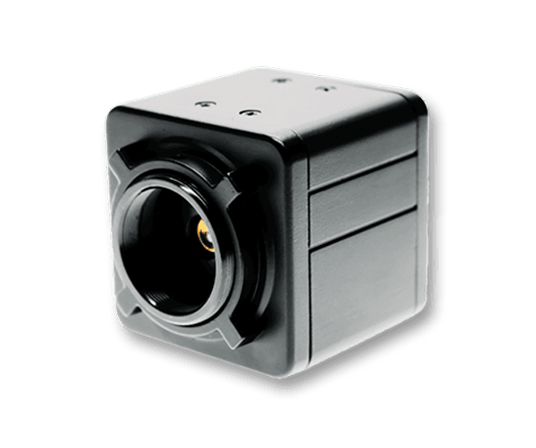
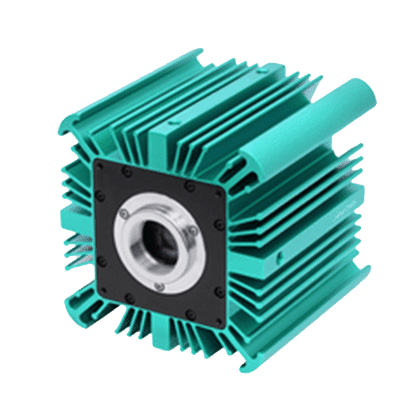
The MP-VNIR-400-1000 is a high-performance hyperspectral camera covering the visible to near-infrared spectral region (400-1000 nm). It delivers a spectral resolution of 2.5 nm, 1200 spectral channels, and 1920 spatial pixels, enabling simultaneous acquisition of both spatial imagery and fine spectral information of the target. Designed with a compact, integrated form factor, it features high-speed imaging, low optical distortion, and flexible configuration options. The camera supports USB 3.0 high-speed data transfer, a C-Mount lens interface, and comes with acquisition software and an SDK, making it easy to integrate into research experiments and automated inspection systems. With its rich spectral information capture capability, the camera is widely applicable in agriculture, food inspection, industrial machine vision, material analysis, environmental monitoring, biomedicine, and remote sensing, providing reliable hyperspectral data for target identification, classification, inspection, and quantitative analysis.

Bow-Tie Polarization-Maintaining Fiber
The bow-tie polarization-maintaining fiber is a specially designed stress-induced polarization-maintaining fiber whose structural features provide excellent polarization-maintaining performance. The fiber offers optimized axial uniformity and batch-to-batch consistency, along with outstanding temperature stability and birefringence properties. It is widely used in fiber optic gyroscopes, fiber optic current transformers, and other polarization-sensitive components and devices.

Dual-End Ceramic FBG Temperature Sensor
The dual-end ceramic FBG temperature sensor is a professional temperature measurement device based on Fibre Bragg Grating (FBG) technology, housed in high-density alumina ceramic encapsulation. It is designed for high-precision, high-reliability industrial monitoring applications. The sensor relies on the optical properties of the FBG, which forms a periodic refractive index modulation structure through UV lithography. When the temperature changes, the difference in thermal expansion between the ceramic package and the optical fibre, combined with the thermo-optic effect of the fibre, causes a stable shift in the central wavelength of the reflected light. By analysing this wavelength shift with a compatible FBG interrogator, the sensor achieves temperature measurement accuracy of ±0.5 °C, while also providing strain-related parameters.

Single-Shot Billion Frame-Rate Optical Spectrometer
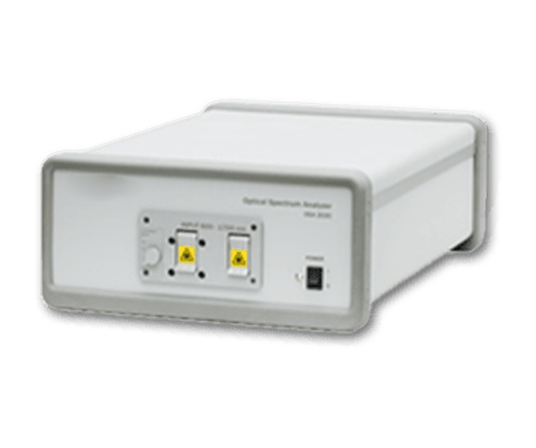
The Single-Shot Billion Frame-Rate Optical Spectrometer is a real-time single-shot spectral measurement system designed for ultrafast optics, laser dynamics, and nonlinear optics research. Based on the time-stretch dispersive Fourier transform technique, it converts rapidly changing spectral information into a real-time acquisition without the need for mechanical scanning. With a spectral acquisition frame rate of up to 1 billion frames per second, the system can continuously record a large number of pulse spectra in a single experiment, making it especially suitable for capturing high-speed transient processes, non‑repetitive events, stochastic processes, and rare optical phenomena. Compared with traditional scanning spectrometers, this product directly records the continuous temporal evolution of spectra, making it more suitable for studying ultrafast dynamic phenomena that cannot be reliably reconstructed by repeated measurements.

Fiber Bragg Grating Embedded Strain Sensor
The FBG embedded strain sensor is a specialised measurement device developed for materials such as concrete, reinforced concrete, and steel structures. Its core function is to capture strain variations inside the material. By continuously monitoring these minute deformations, it enables in-depth analysis of the structural stress state, timely detection of potential risks, and facilitates fault warning and condition assessment.

Elliptical-Core Polarization-Maintaining Fiber
The elliptical-core polarization-maintaining fiber offers excellent temperature stability and birefringence performance, making it suitable for a wide range of applications including fiber optic gyroscopes, current transformers, and other polarization-sensitive devices. By optimizing the fiber core and cladding structure, this elliptical-core fiber achieves improved uniformity and birefringence. As a geometric-birefringence type of polarization‑maintaining fiber, it is less affected by ambient temperature variations and provides better temperature stability.
 10+
10 Years of Experience
 50
50 + Countries Bussiness
 10000
10k + Diodes sold worldwide
 30
30+ Invention patent
 10
10+ Advanced Optical Solutions
⇪