- Cart
- |
- Personal Center
- |
info@idealphotonics.com

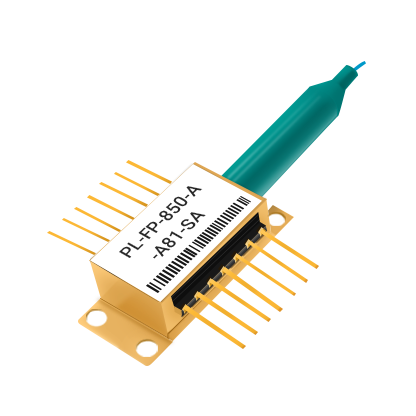

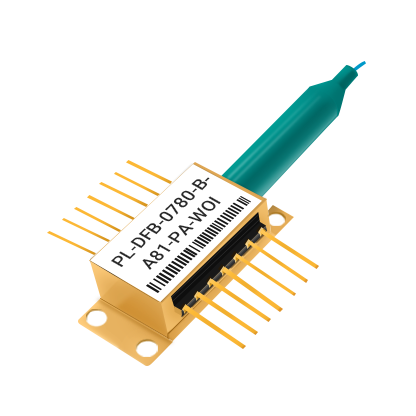
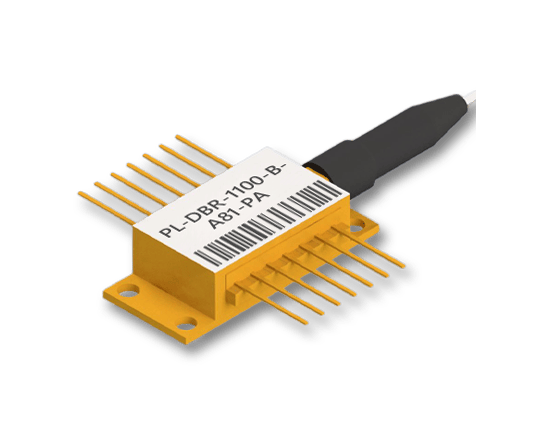
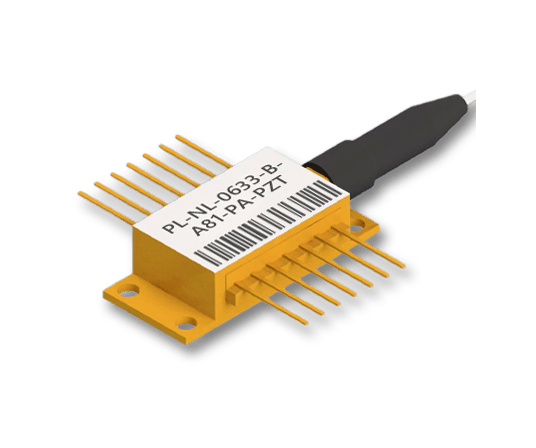
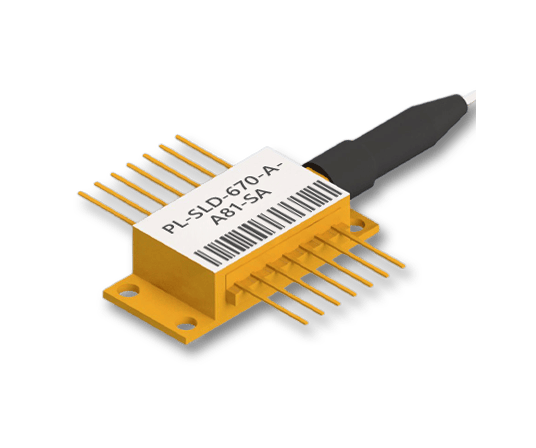
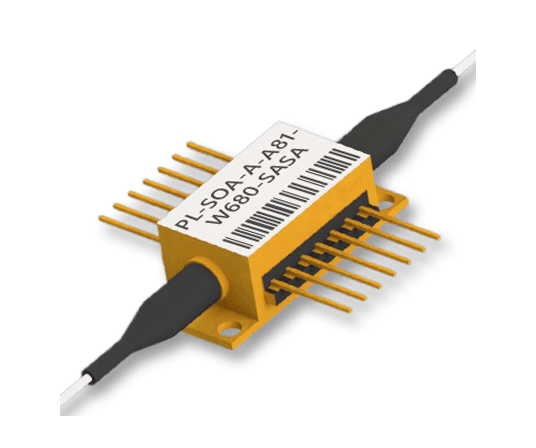
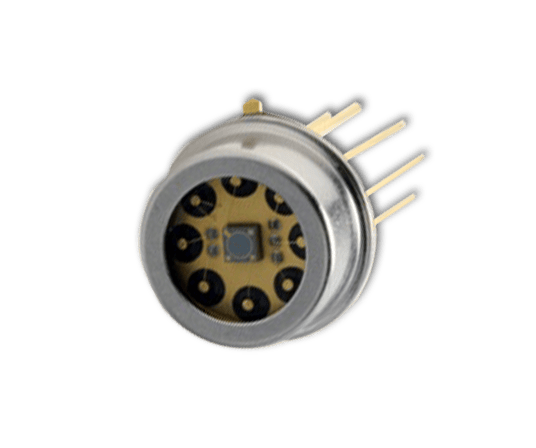


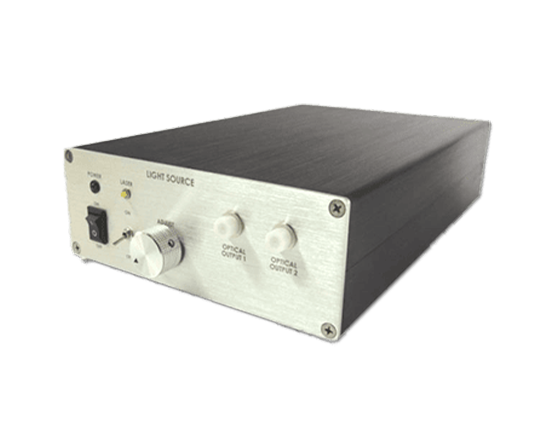
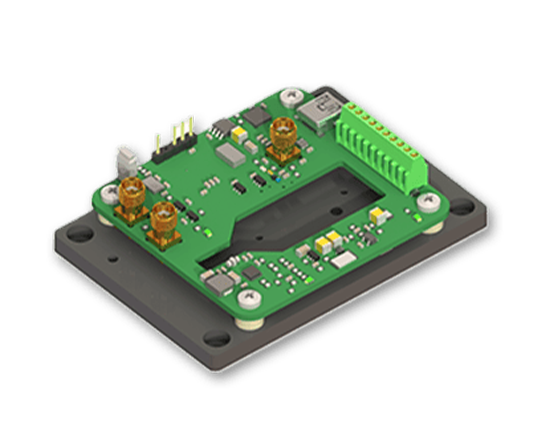


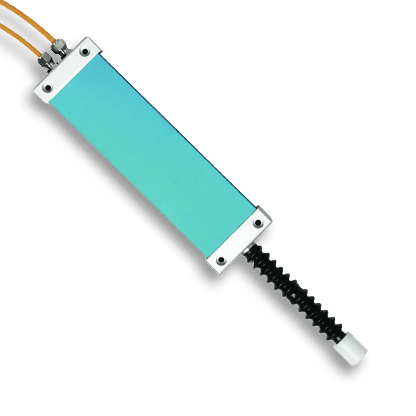
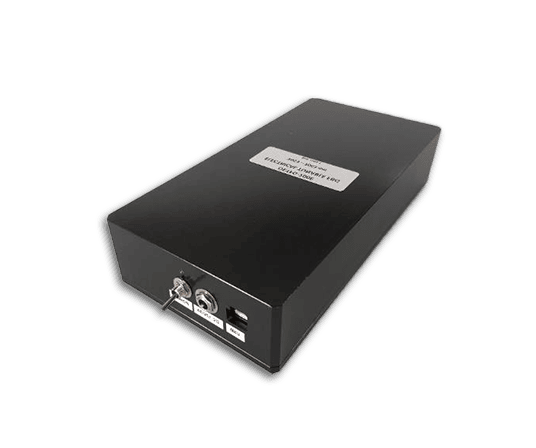


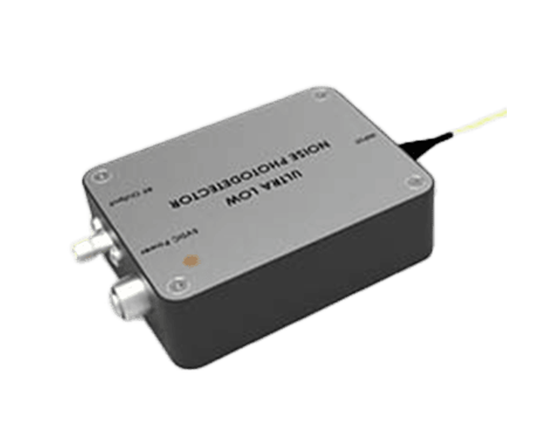
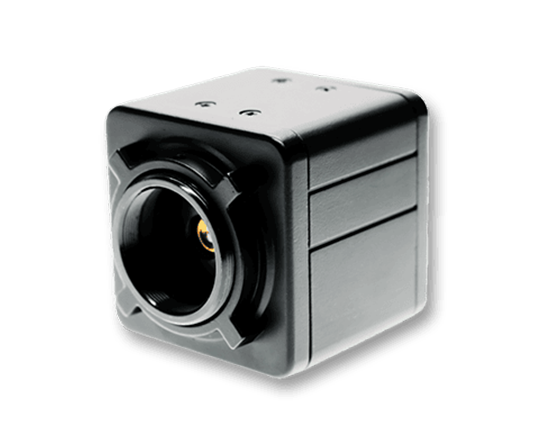







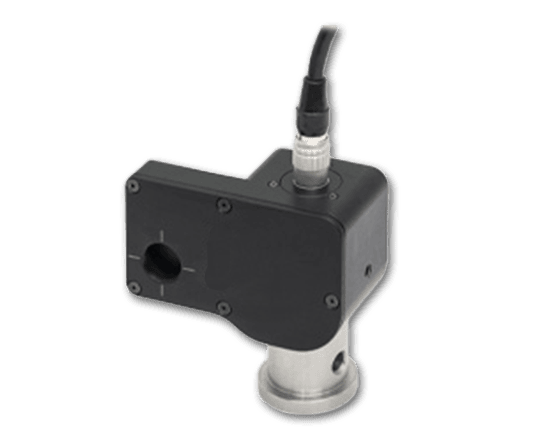
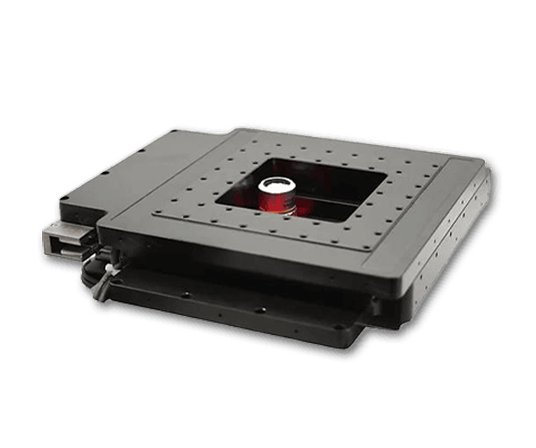

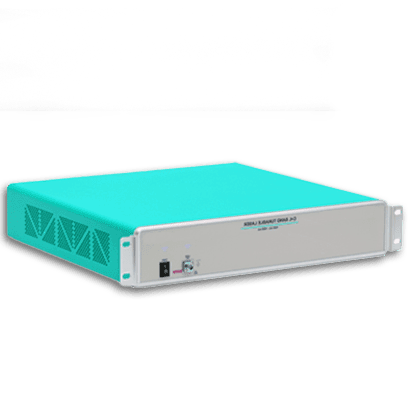
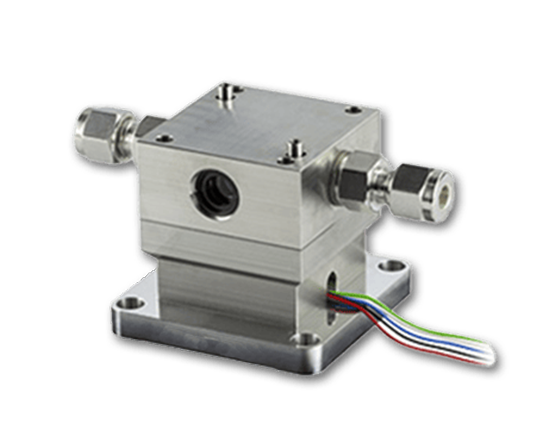
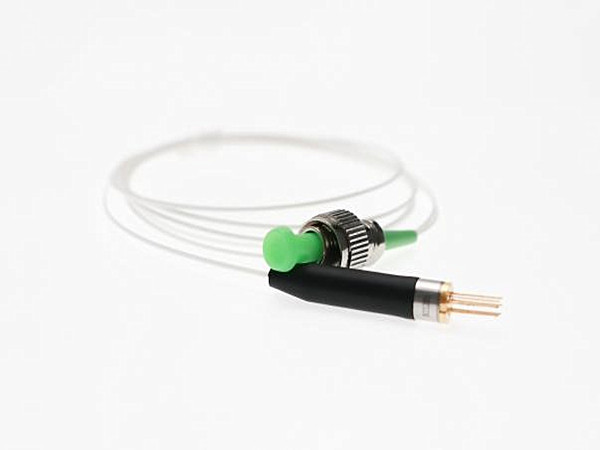
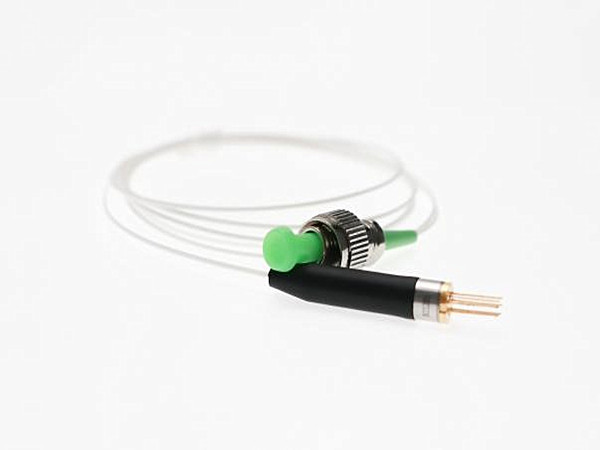
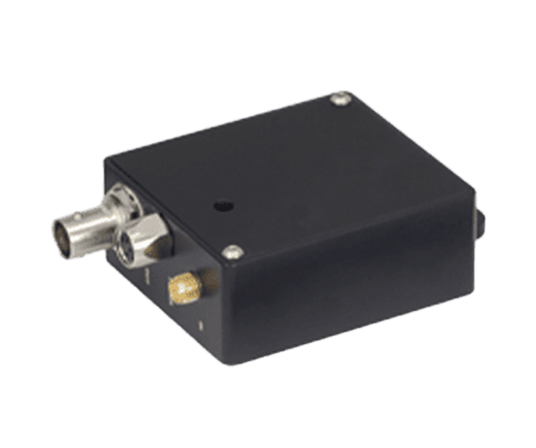
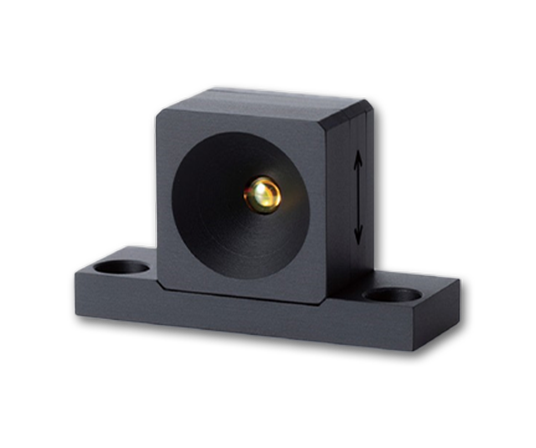
1550nm 1.0mW SM VCSEL with Isolator
Vertical-Cavity Surface-Emitting Laser, or VCSEL for short, is a semiconductor laser that emits light vertically from the top surface.Based on GaAs semiconductor material, it differs from both LEDs (Light-Emitting Diodes) and LDs (Laser Diodes).The structure consists of mirrors, an active layer, and a metal contact layer.The two emission mirrors are P-type and N-type Bragg reflectors respectively.The active region is composed of quantum wells.A metal contact layer is formed on the outer surface of the P-type DBR to provide ohmic contact,and a circular aperture is patterned on the P-type DBR for laser output.It features a small far-field divergence angle with a narrow and circular beam;low threshold current and high modulation frequency up to 300 kHz.Wavelength tuning can be achieved by varying the drive current and temperature.Packaged with built-in TEC and PD, it is specifically designed for high-speed optical fiber communications.
Product features:High stability; narrow linewidth; low noise; stable wavelength; industrial-grade reliability
Part Number:MP-VCS-1550-1-A81-SA-TEC-ISO
Application area:Fiber Optic Sensing | Coherent Communications | LiDAR | Quantum Technology | Scientific Research
Add to Cart Request for Quotation Consult Favorite
Central Wavelength
1550 nm
Technical Specifications
Tc = 20 °C, IOP = 2.0 mA unless otherwise noted(Tc = chip backside temperature, controlled by TEC)
Parameter | Symbol | Min. | Typ. | Max. | Unit |
Optical Output Peak Power @ 25 °C | P | 1.0 | 1.6 | – | mW |
Operating Bias Current | Iop | 0 | 18 | 25 | mA |
Operating Temperature Range | Top | -40 | 25 | 85 | °C |
Threshold Current | Ith | – | 8 | 12 | mA |
Slope Efficiency (CW, Tc = 25 °C) | SE | 0.14 | 0.18 | – | mW/mA |
Laser Drive Voltage | VCC | 0 | 1.5 | 2.5 | V |
Series Resistance | Rs | – | 50 | – | Ω |
Center Wavelength | – | 1525 | – | 1575 | nm |
Guaranteed Tuning Range(Positive voltage reduces peak wavelength) | λ | 8 | 10 | – | nm |
Max. Frequency Tuning Response | fmax | 100 | 200 | – | kHz |
Side Mode Suppression Ratio | SMSR | 30 | 40 | – | dB |
Linewidth (-3 dB FWHM, CW bias = IOP) | σ | – | – | 300 | MHz |
Relative Intensity Noise | RIN | – | – | -128 | dB/Hz |
Tuning Voltage | Vtune | 0 | Test Sheet | Test Sheet | V |
Tuning Current | Itune | 0 | – | 100 | μA |
TEC Voltage | VTEC | – | 0.35 | 1.5 | V |
TEC Current | ITEC | – | 0.05 | 0.6 | A |
Experimental Data
We conducted experiments on the VCSEL laser, measuring the relationships of voltage, current with wavelength, as well as the relationship with frequency.
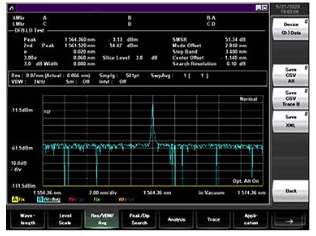
VCSEL Spectrum
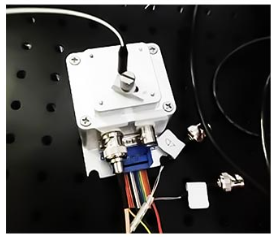
VCSEL Test Socket
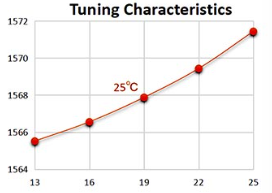
Relationship between current and wavelength:
We kept the voltage constant and adjusted the current from 13 mA to 25 mA in steps of 3 mA. It was found that as the current was adjusted, the wavelength changed significantly and exhibited a positive linear curve.
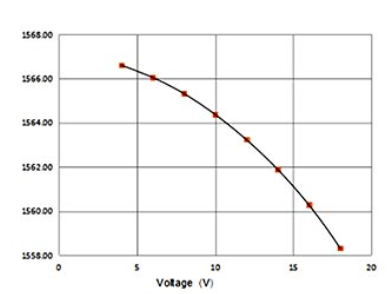
Relationship between voltage and wavelength:
We applied voltages from 4V to 18V to the laser, increasing in 2V steps, and measured the data shown in the figure above. We observed that as the voltage increased, the wavelength decreased by approximately 8 nm, exhibiting a negative, nearly linear curve.
Load Variation at Different Frequencies:
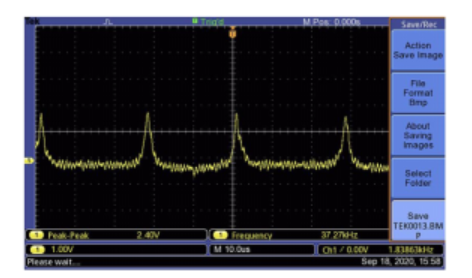
Waveform@5V 20kHz
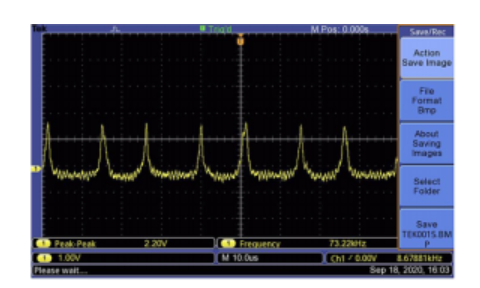
Waveform@5V 40kHz
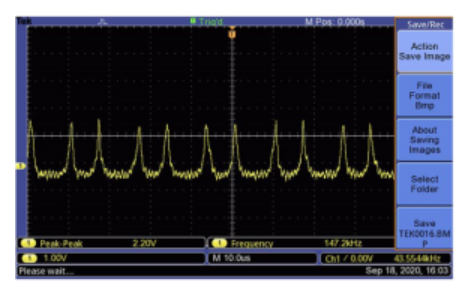
Waveform@5V 60kHz
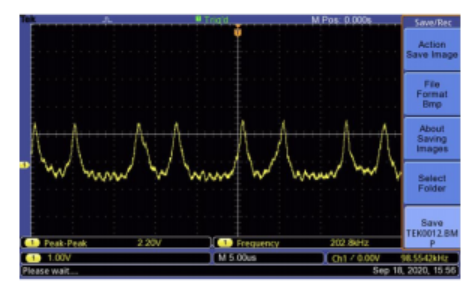
Waveform@5V 80kHz
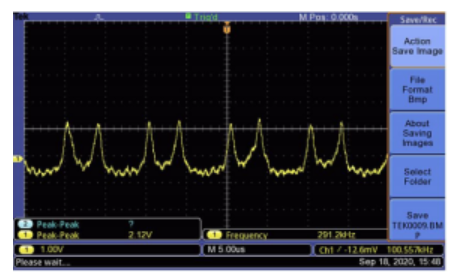
Waveform@5V 100kHz
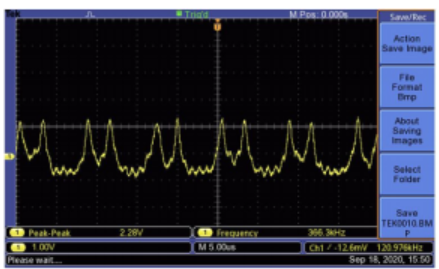
Waveform@5V 120kHz
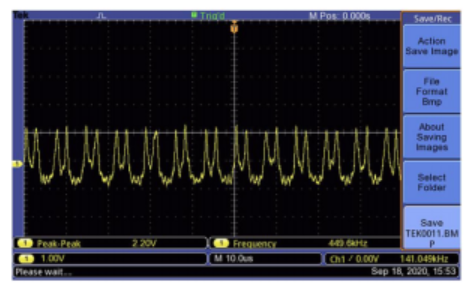
Waveform@5V 140kHz
With a constant 5V voltage applied, the frequency was varied to obtain the figure above. Our modulation frequency is extremely high, allowing it to carry a greater amount of information and provide a faster response speed.
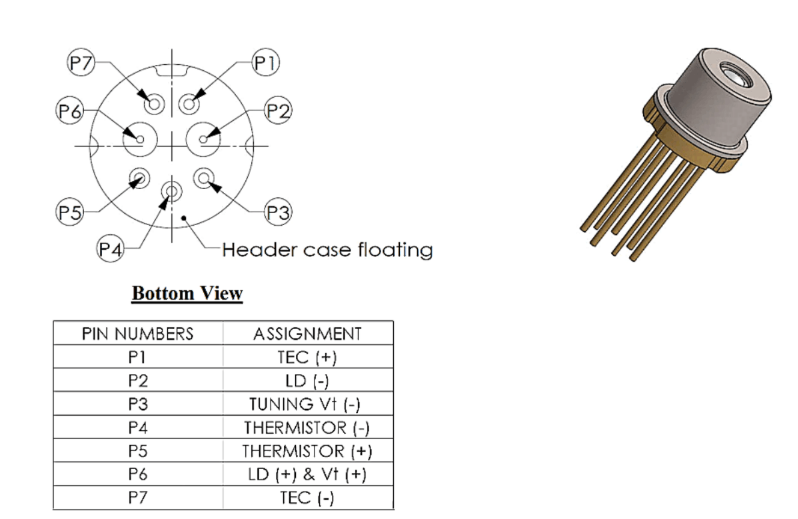
Pin Definition
The generation of VCSEL laser mainly consists of three components: the laser gain medium, the pump source, and the optical resonant cavity.The pump source excites the gain medium to achieve population inversion and generate light emission.Within the resonant cavity formed by the bottom and top mirrors, the light is amplified and oscillates, finally outputting from the top mirror.The output light is confined only to the central region without an oxide layer, forming vertical-cavity surface-emitting laser and producing a stable, continuous, high-quality laser beam with sufficient output power.
--
Request for Quotation
We will reply to all your information about the product in time.
 10+
10 Years of Experience
10+
10 Years of Experience
 50
50 + Countries Bussiness
50
50 + Countries Bussiness
 10000
10k + Diodes sold worldwide
10000
10k + Diodes sold worldwide
 30
30+ Invention patent
30
30+ Invention patent
 10
10+ Advanced Optical Solutions
10
10+ Advanced Optical Solutions
⇪