- Cart
- |
- Personal Center
- |
info@idealphotonics.com




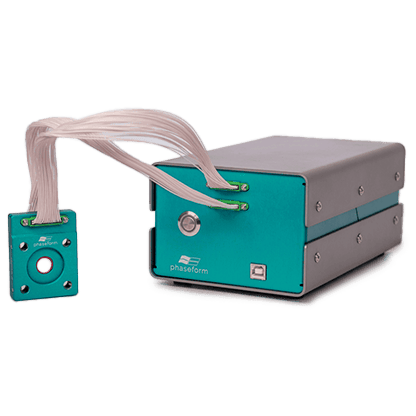







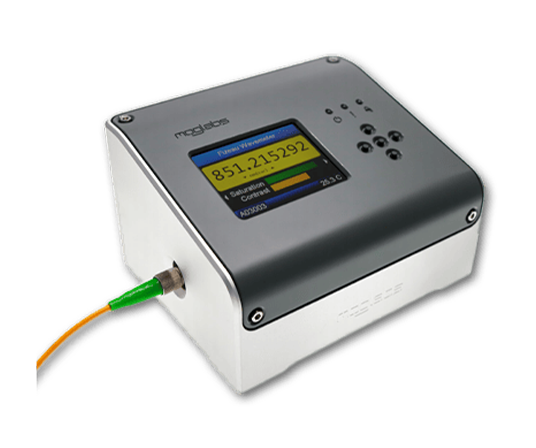

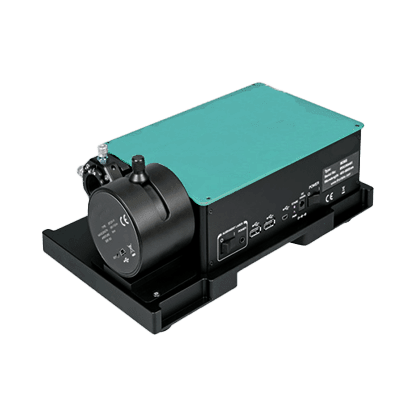
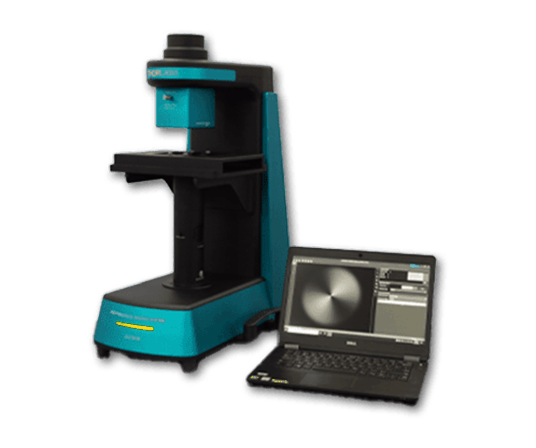
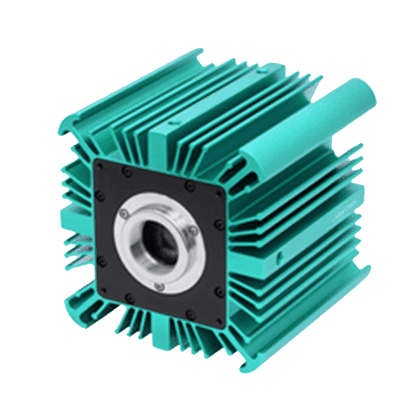



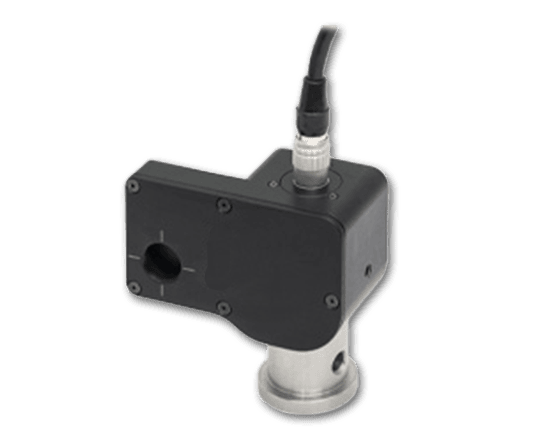
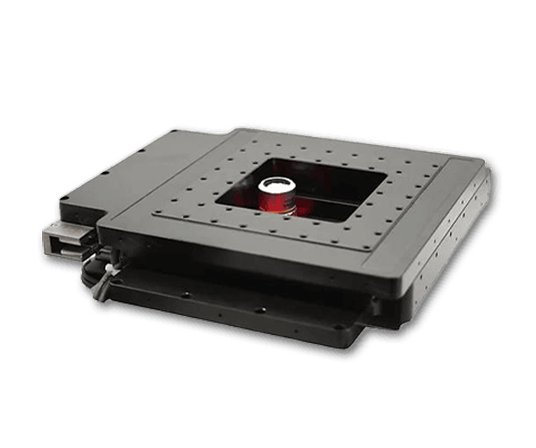

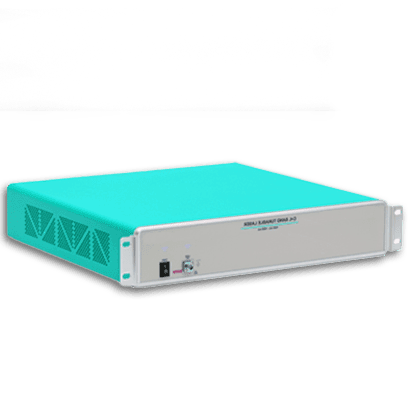
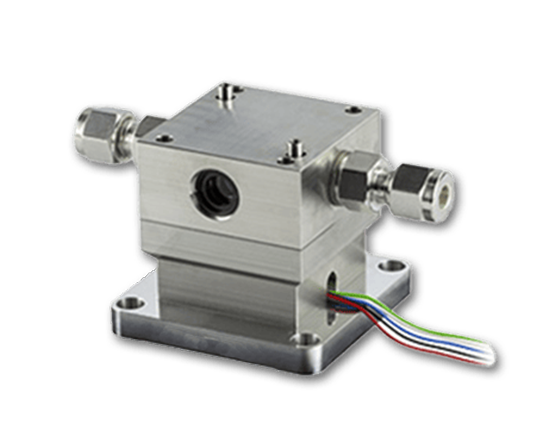
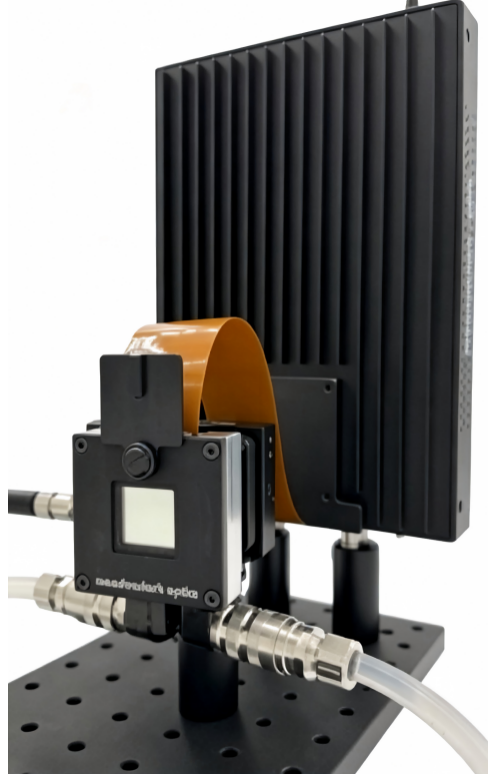
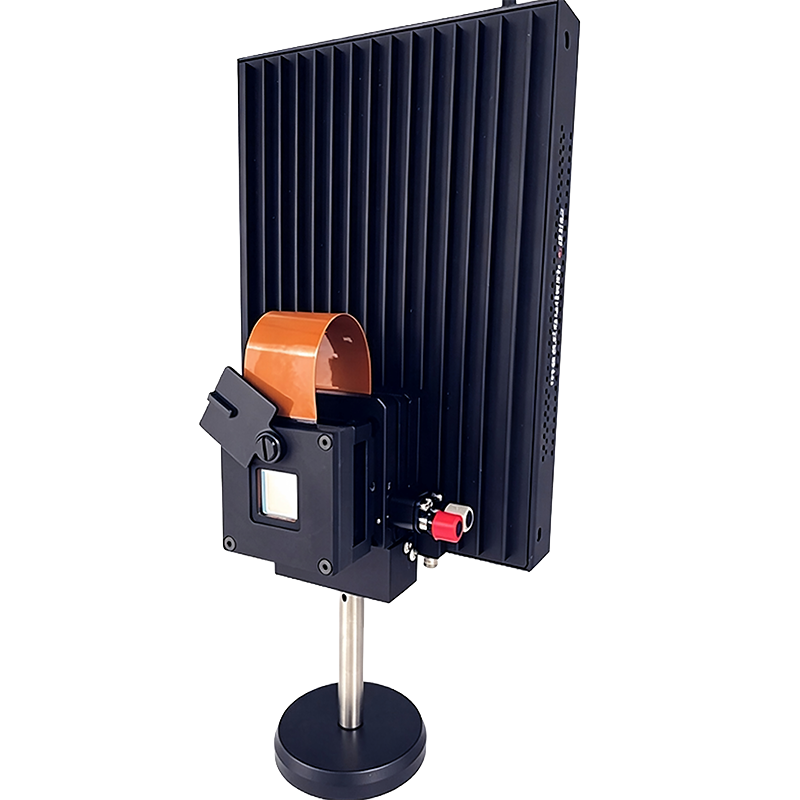
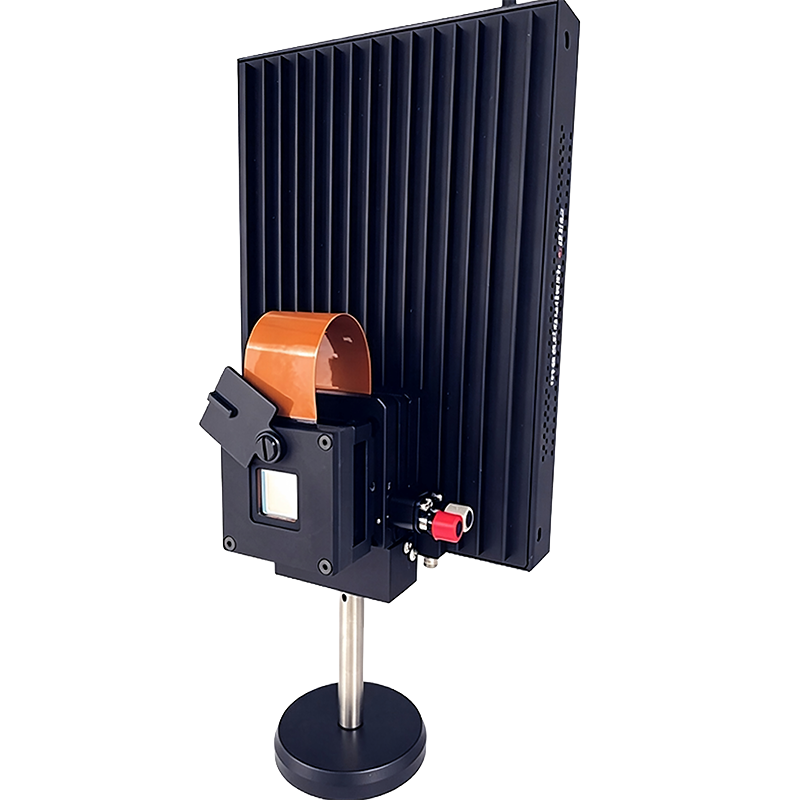
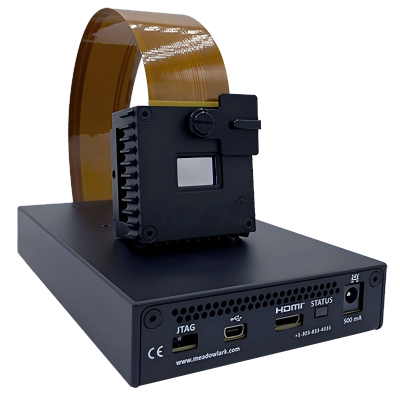
Educational Grade Spatial Light Modulator
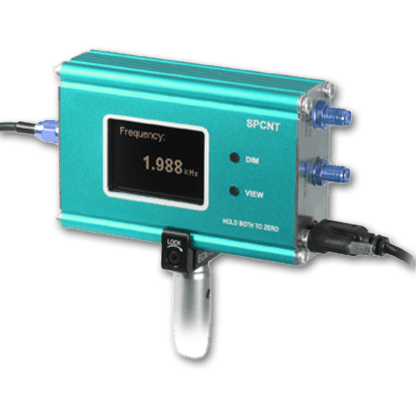
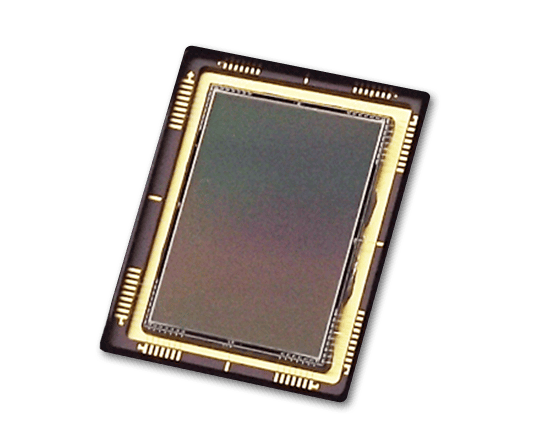
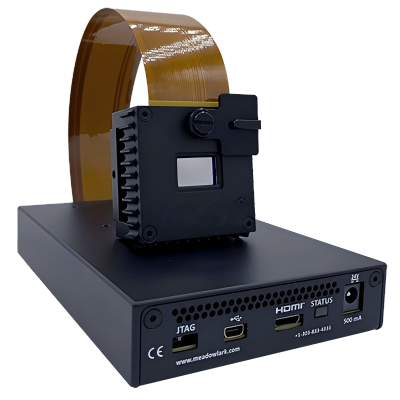
The MP-SLM-ED-1.35 is a two-dimensional spatial light modulator based on LCoS (Liquid Crystal on Silicon) technology, designed for high‑precision spatial phase modulation of incident light wavefronts. With a resolution of 1920 × 1200 pixels, it offers high spatial resolution, stable phase control, and a cost‑effective solution, making it suitable for static or low‑speed dynamic light‑field modulation applications.
Product features:High‑resolution two‑dimensional phase modulation;Phase‑only modulation;Stable phase performance;HDMI control interface
Part Number:MP-SLM-ED-1.35
Application area:Adaptive optics | Digital holography | Optical tweezers and micromanipulation | Microscopy imaging | Fiber mode control
Add to Cart Request for Quotation Consult Favorite
Resolution Fill Factor
Technical Specifications – 1920 × 1200 Analog Spatial Light Modulator
Parameter | Value |
Resolution | 1920 × 1200 |
Fill Factor | 95.6% |
Array Size | 15.36 × 9.60 mm |
Pixel Pitch | 8.0 × 8.0 µm |
Zero‑Order Diffraction Efficiency | 76% – 91% |
Reflectance with Dielectric Mirror Coating | 92% – 98% |
Backplane Refresh Rate | 1.35 kHz |
Controller | HDMI |
High-Speed Liquid Crystal Response Time and Wavefront Distortion
Standard Calibration Wavelength | High-Speed Liquid Crystal Response Time | Calibrated Wavefront Distortion | ||
Coating Range 400–800 nm | Coating Range 500–1200 nm | Coating Range 850–1650 nm | ||
405 nm | ≤ 13.4 ms | – | – | λ/5 |
532 nm | ≤ 14.0 ms | ≤ 17.0 ms | – | λ/7 |
635 nm | ≤ 15.0 ms | ≤ 17.5 ms | – | λ/8 |
785 nm | ≤ 20.5 ms | ≤ 22.5 ms | – | λ/10 |
1064 nm | – | ≤ 25.0 ms | ≤ 27.5 ms | λ/10 |
1550 nm | – | ≤ 43.0 ms | ≤ 45.0 ms | λ/12 |
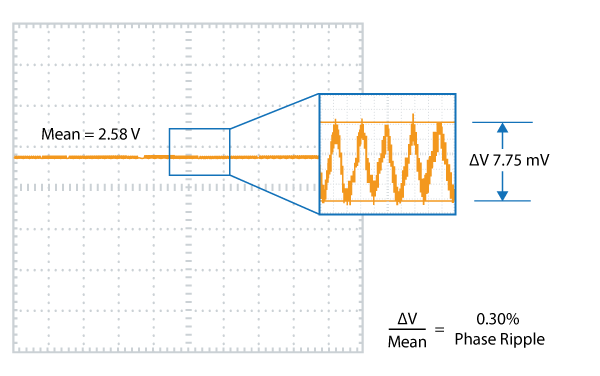
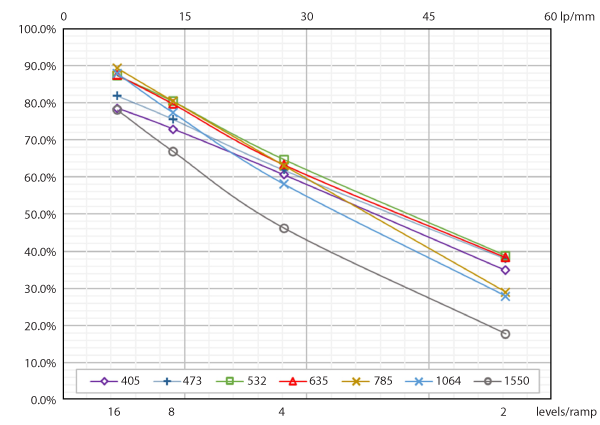
Technical Specifications and Performance Characterization of the SLM
Software and Development Kits
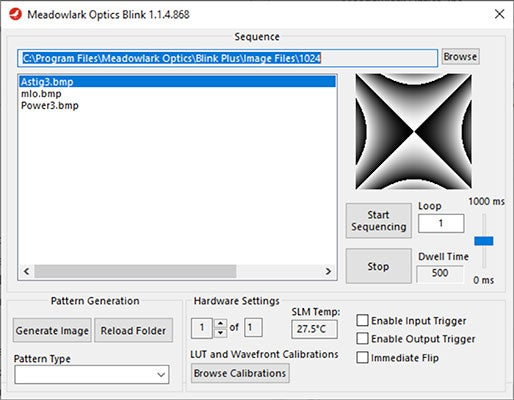
·User-friendly software provided
·Intuitive image generation and sequencing
·Software development kits available for LabVIEW, MATLAB, Python and C++
·Image generation capabilities include:
·Bessel beams (spiral phase, fork, concentric rings, axicons)
·Lens functions (cylindrical, spherical)
·Gratings (blazed, sinusoidal)
·Various diffraction patterns (stripes, checkerboard, solid, random phase)
·Holograms
·Zernike polynomials
·Image superposition
--
Request for Quotation
We will reply to all your information about the product in time.
 10+
10 Years of Experience
10+
10 Years of Experience
 50
50 + Countries Bussiness
50
50 + Countries Bussiness
 10000
10k + Diodes sold worldwide
10000
10k + Diodes sold worldwide
 30
30+ Invention patent
30
30+ Invention patent
 10
10+ Advanced Optical Solutions
10
10+ Advanced Optical Solutions
⇪