- Cart
- |
- Personal Center
- |
info@idealphotonics.com




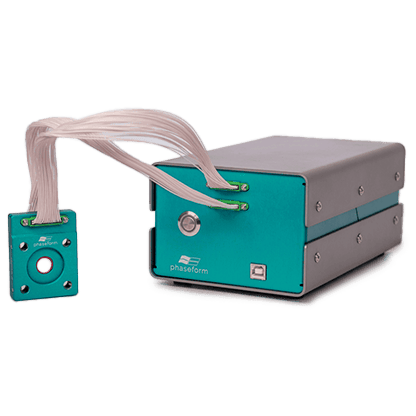








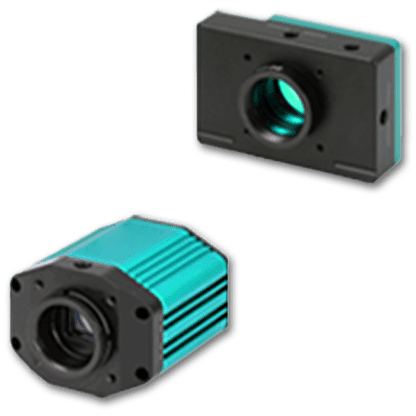



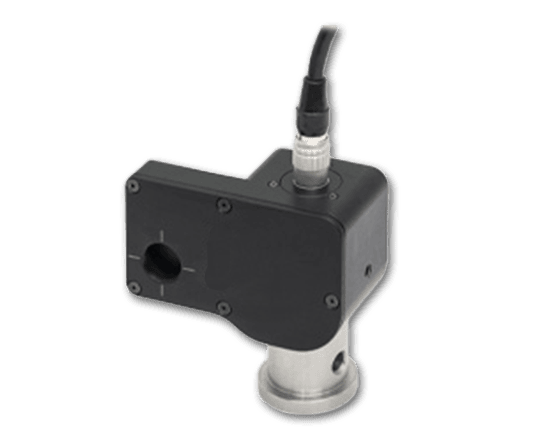
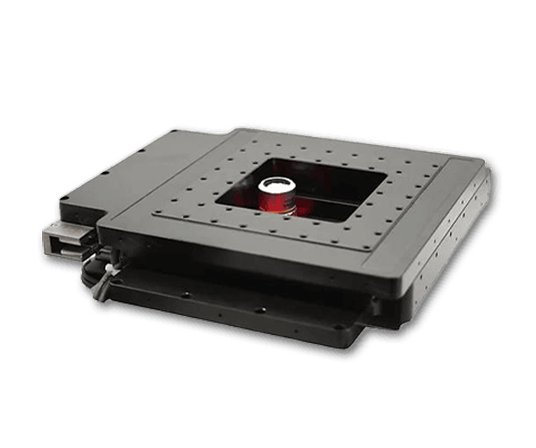

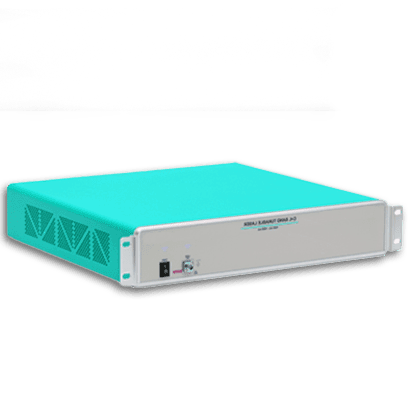
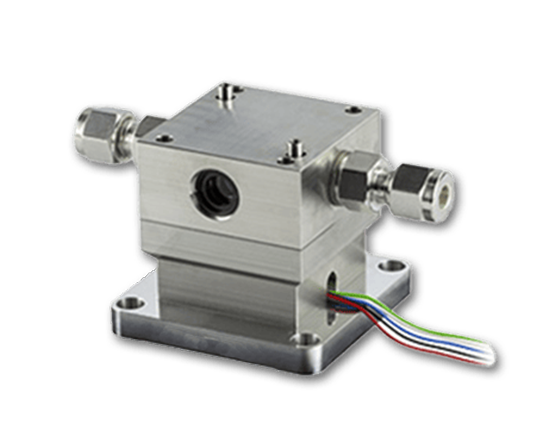
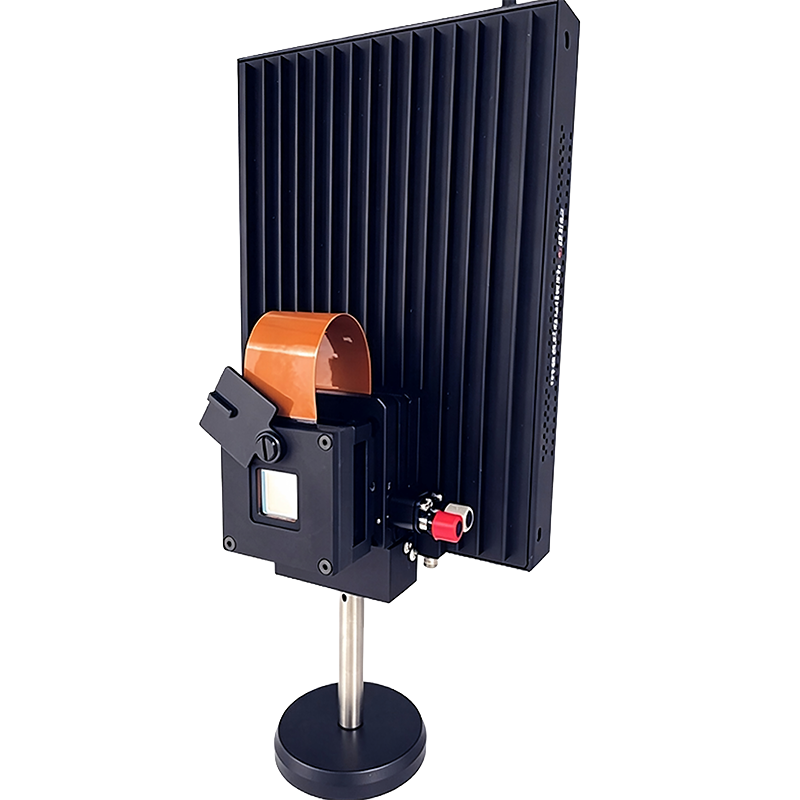
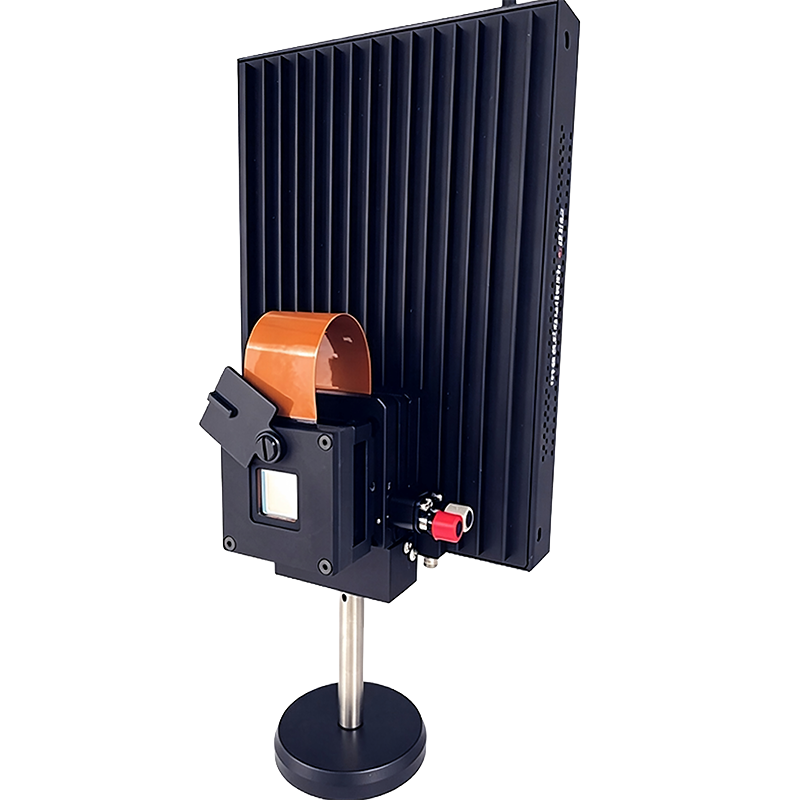
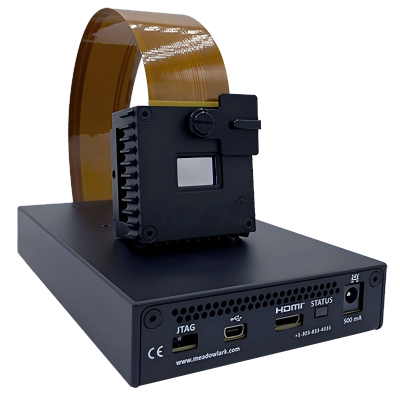
Ultra-High Power Spatial Light Modulator
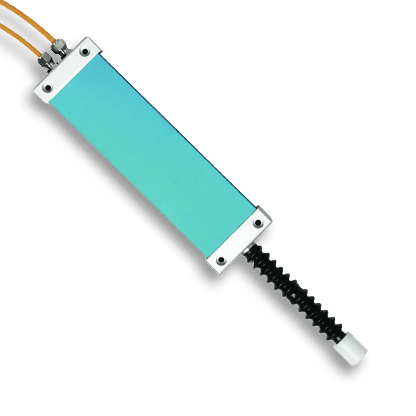
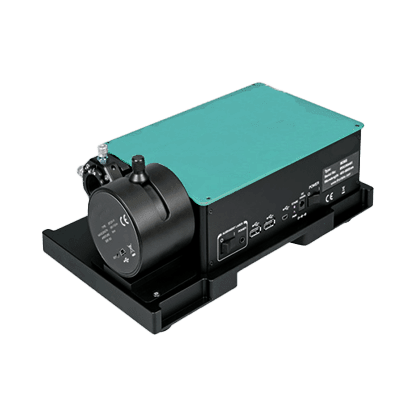
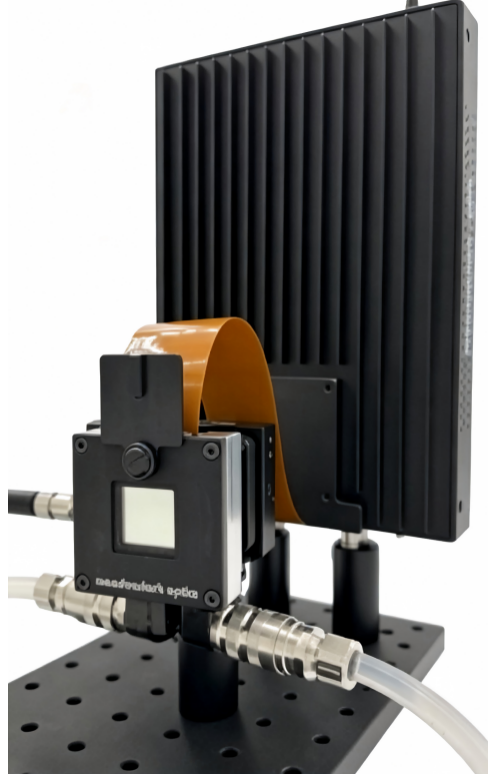
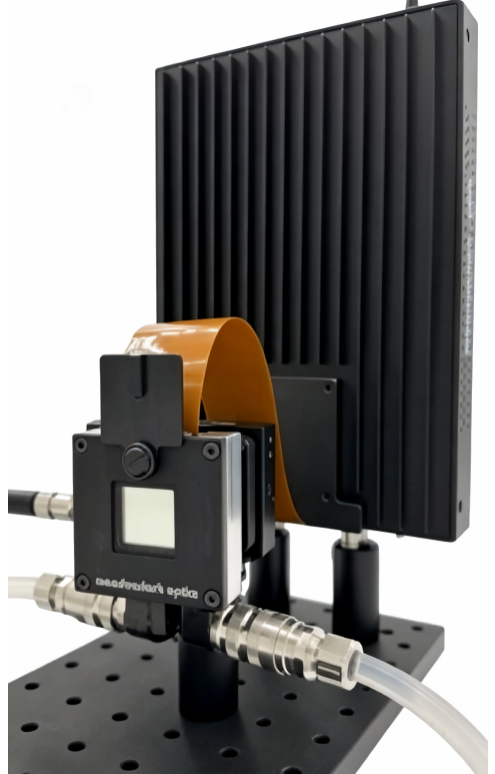
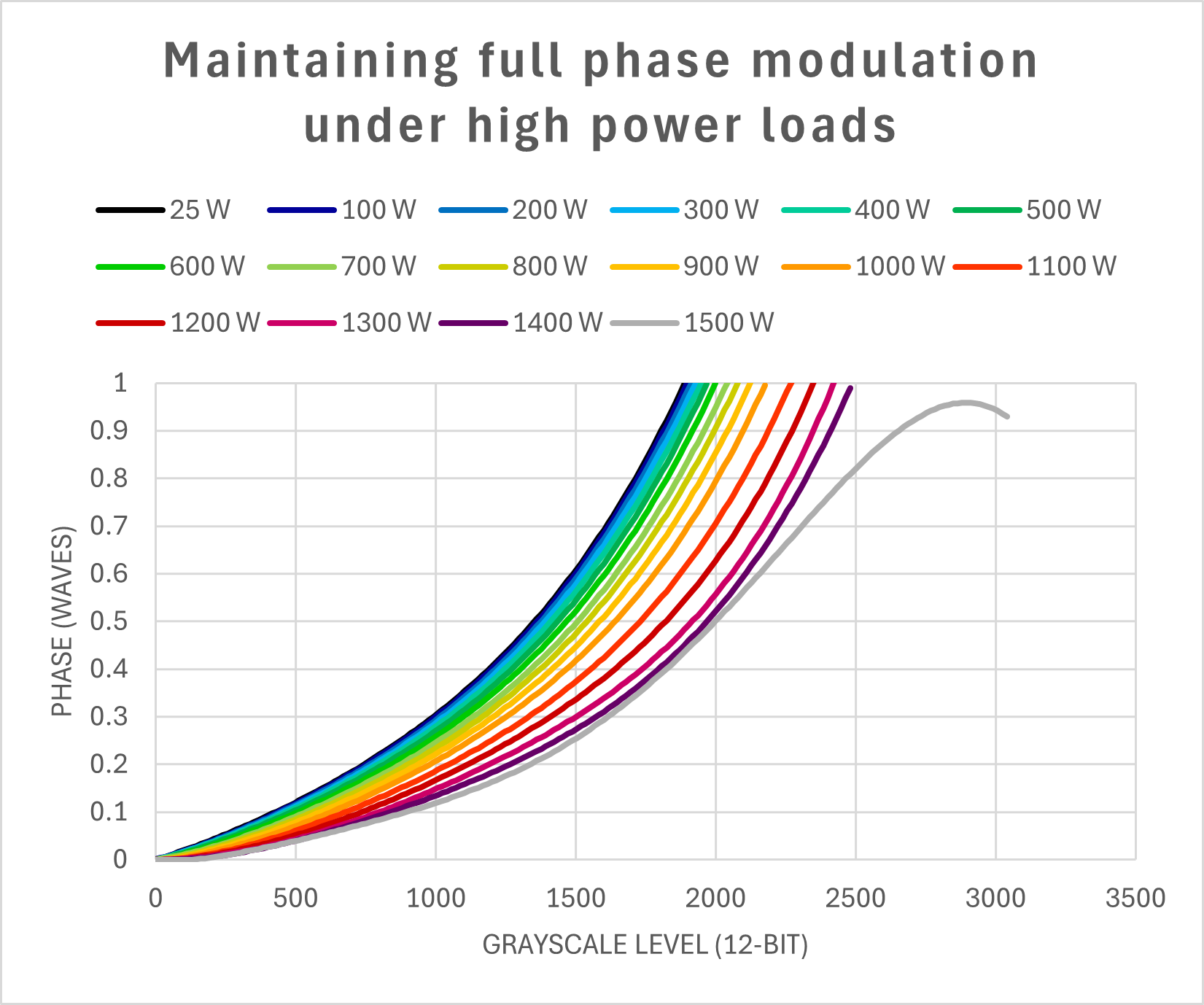
The MP-SLM-1.4 is a two-dimensional spatial light modulator (SLM) specifically designed for ultra-high power laser applications. Featuring a high-damage-threshold optical design and an efficient heat dissipation structure, it can withstand continuous-wave laser powers up to 1.4 kW while maintaining excellent wavefront modulation performance and long‑term operational stability. An integrated active thermoelectric (TEC) temperature control system effectively manages the device operating temperature, reducing thermal drift and enhancing phase stability and long-term reliability. This makes it well suited for industrial laser processing, scientific research, and high-power beam shaping applications.
Product features:Ultra‑high power handling capability;Active temperature control;High‑precision spatial light modulation;High‑reliability design
Part Number:MP-SLM-1.4
Application area:Industrial laser processing | Scientific research experiments | Adaptive optics
Add to Cart Request for Quotation Consult Favorite
Resolution Fill Factor
Technical Specifications – 1024 × 1024 Analog Spatial Light Modulator
Parameter | Value |
Resolution | 1024 × 1024 |
Fill Factor | 97.2% |
Array Size | 17.40 × 17.40 mm |
Pixel Pitch | 17 × 17 μm |
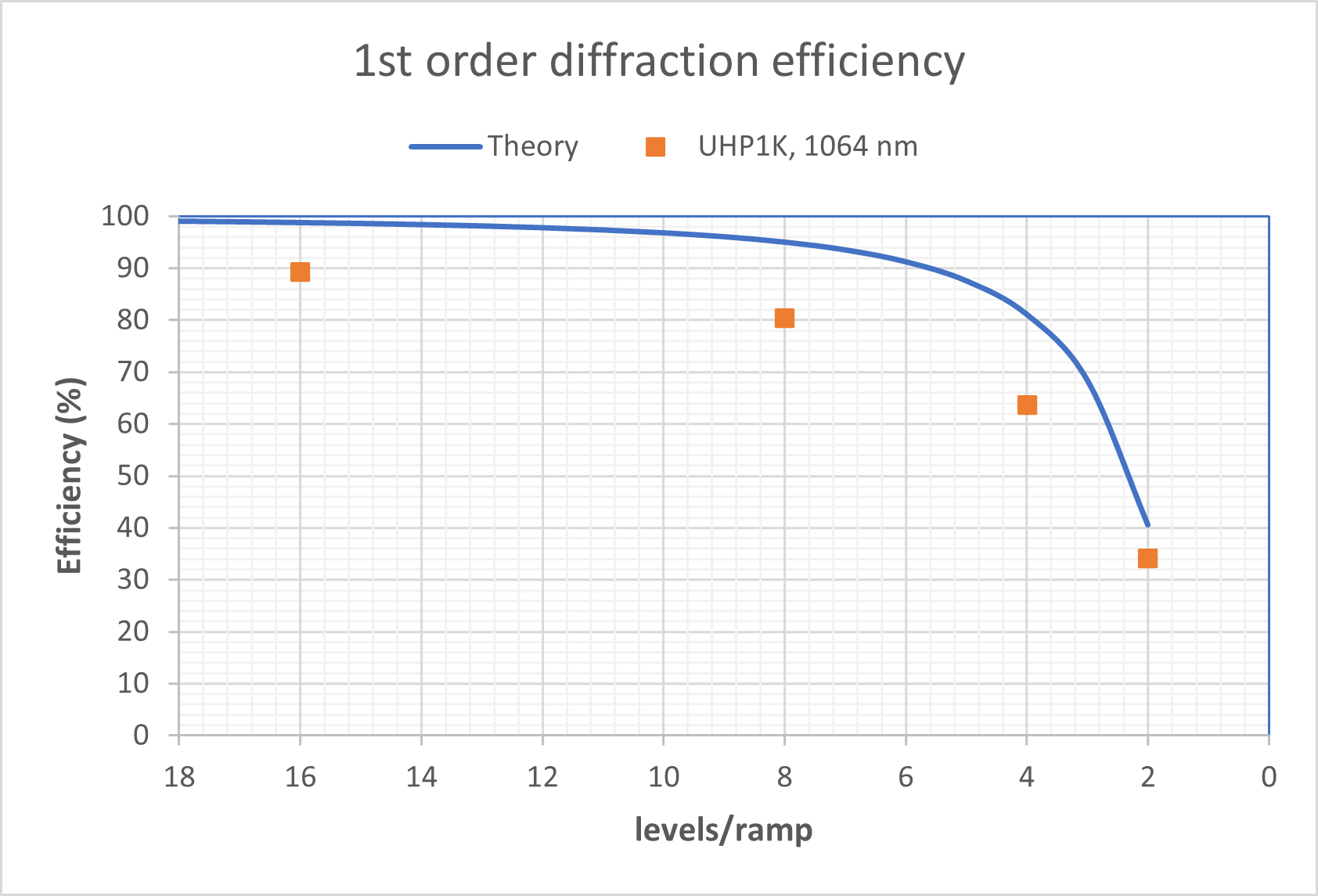
Zero‑Order Diffraction Efficiency | 95% (@ 1064 nm) |
Standard Calibration Wavelength | Coating Range | Average Power Rating | Liquid Crystal Response Time under High Average Power (by Operating Temperature) | ||
19°C | 44°C | 70°C | |||
785 nm | 750 – 850 nm | (tests pending) | (tests pending) | (tests pending) | (tests pending) |
1064 nm | 980 – 1150 nm | ≥ 1000 W(@ 1070 nm) | ≤ 100 ms | ≤ 22 ms | ≤ 8.1 ms |
Technical Specifications and Performance Characterization of the SLM
Software and Development Kits
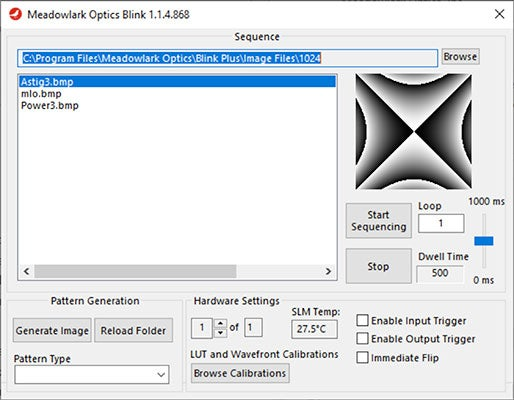
·User-friendly software provided
·Intuitive image generation and sequencing
·Software development kits available for LabVIEW, MATLAB, Python and C++
·Image generation capabilities include:
·Bessel beams (spiral phase, fork, concentric rings, axicons)
·Lens functions (cylindrical, spherical)
·Gratings (blazed, sinusoidal)
·Various diffraction patterns (stripes, checkerboard, solid, random phase)
·Holograms
·Zernike polynomials
--
Request for Quotation
We will reply to all your information about the product in time.
 10+
10 Years of Experience
10+
10 Years of Experience
 50
50 + Countries Bussiness
50
50 + Countries Bussiness
 10000
10k + Diodes sold worldwide
10000
10k + Diodes sold worldwide
 30
30+ Invention patent
30
30+ Invention patent
 10
10+ Advanced Optical Solutions
10
10+ Advanced Optical Solutions
⇪