- Cart
- |
- Personal Center
- |
info@idealphotonics.com












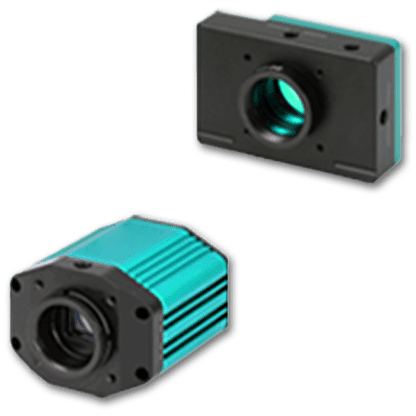

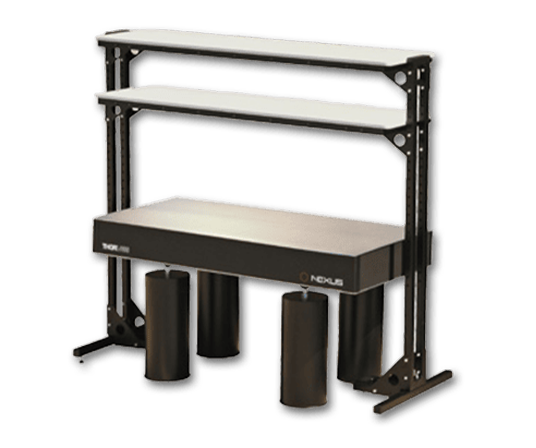
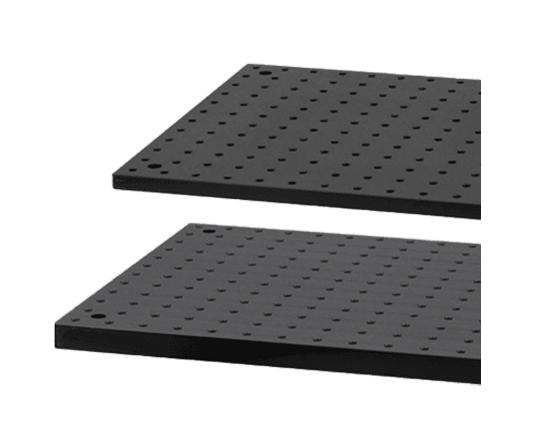

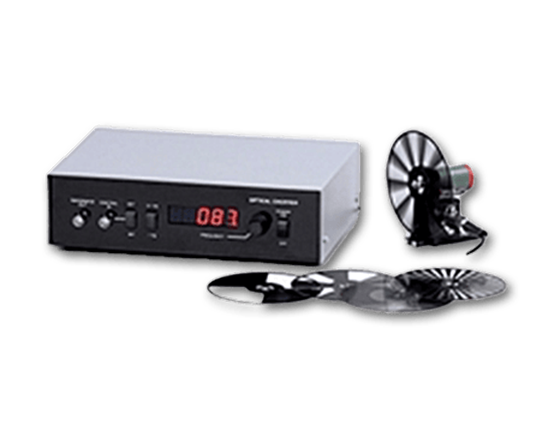



New Products
New Products
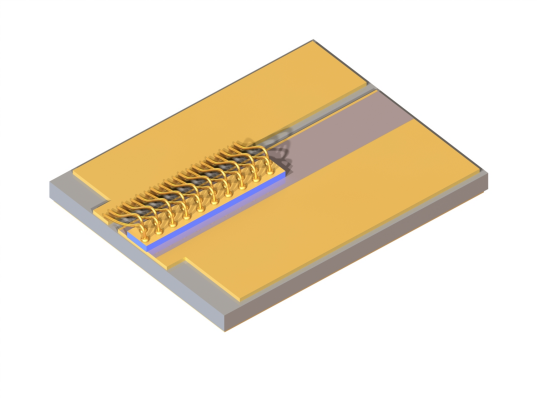
1310nm 5W High-Power Broad-Area Laser Diode
Proprietary mirror coating technology, high reliability, reliable Au/Sn bonding between the chip and composite submount, RoHS compliant.
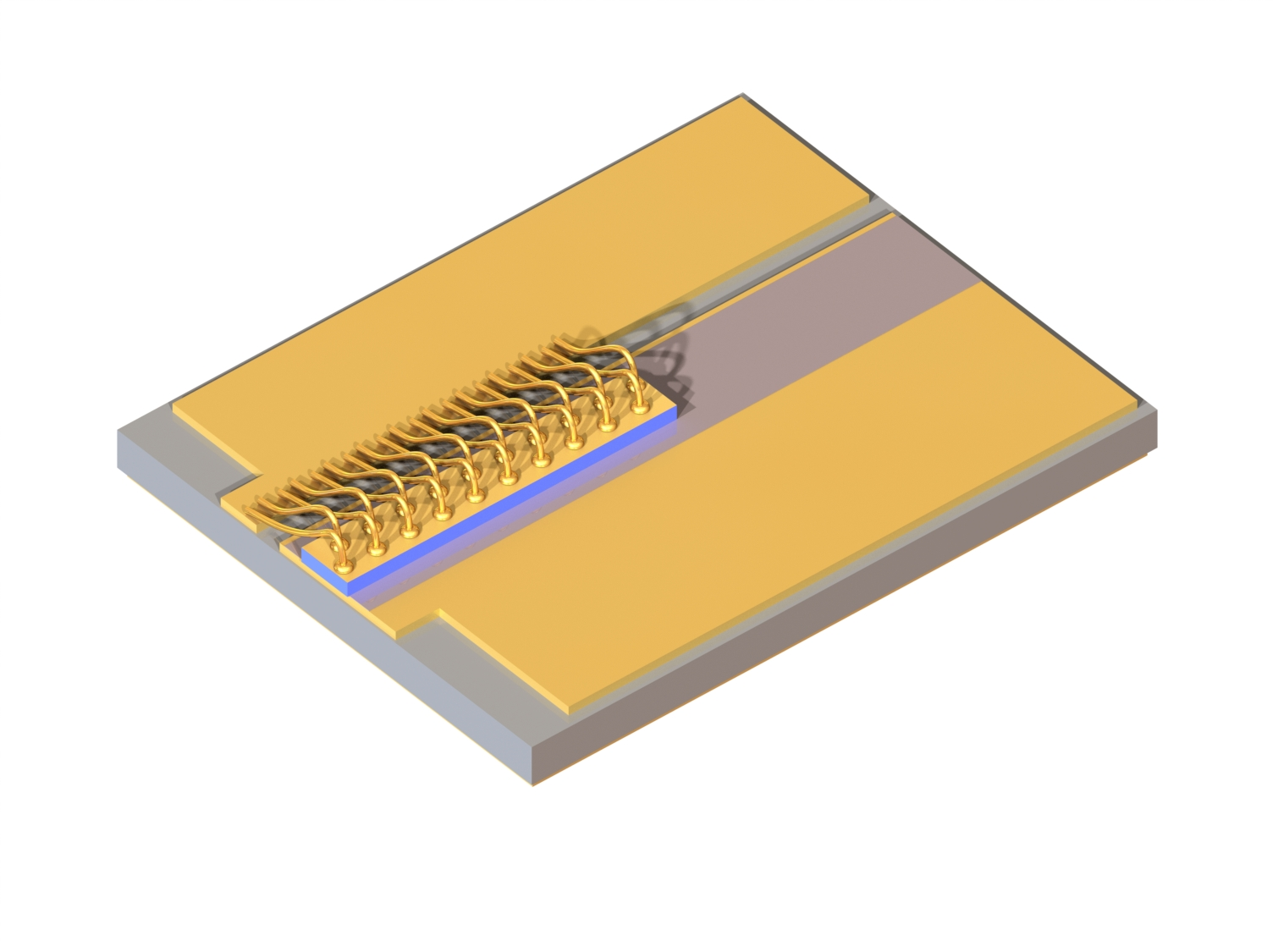
1290nm 9W High-Power Broad-Area Laser Diode
Proprietary mirror coating technology, high reliability, reliable Au/Sn bonding between the chip and composite submount, RoHS compliant.
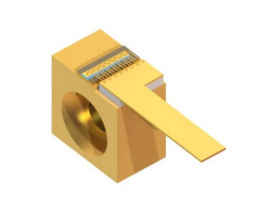
1320nm 3W Broad-Area Laser Diode
Broad-area lasers, through optimized emission area design, deliver high-power, high-efficiency, low-thermal-load laser output, and are widely used in industrial, medical, scientific research, communications and other fields. Its advantages lie in excellent thermal management, low energy loss and superior beam quality, making it suitable for high-power requirements and precision applications.
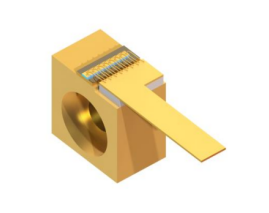
1320nm 2W Broad-Area Laser Diode
Broad-area lasers, through optimized emission area design, deliver high-power, high-efficiency, low-thermal-load laser output, and are widely used in industrial, medical, scientific research, communications and other fields. Its advantages lie in excellent thermal management, low energy loss and superior beam quality, making it suitable for high-power requirements and precision applications.
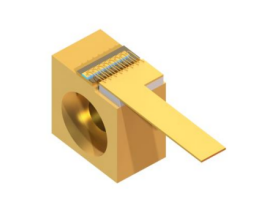
1290nm 9W Broad-Area Laser Diode
Broad-area lasers, through optimized emission area design, deliver high-power, high-efficiency, low-thermal-load laser output, and are widely used in industrial, medical, scientific research, communications and other fields. Its advantages lie in excellent thermal management, low energy loss and superior beam quality, making it suitable for high-power requirements and precision applications.
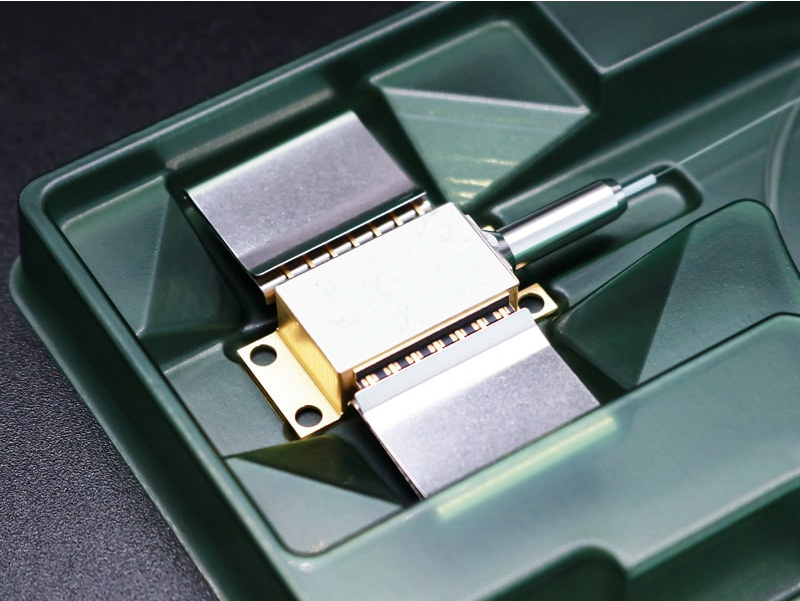
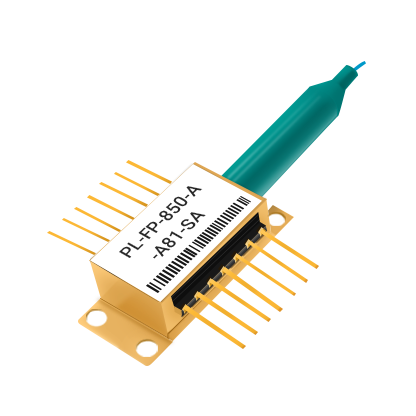
1485nm 500mW PM FP laser diode with FBG
This series are 1.4μm band pump laser modules developed for fiber Raman amplifiers. With an output power of up to 500mW, they feature polarization-maintaining fiber output, 14-pin butterfly package, and integrate built-in TEC, PD, and thermistor.
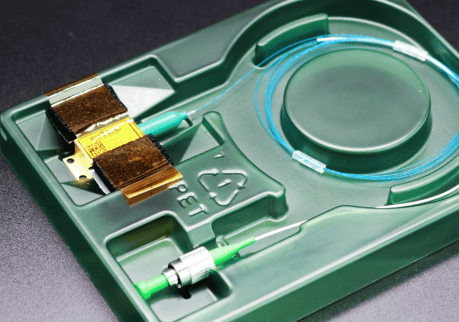
1480nm 500mW PM FP laser diode with FBG
The 1480nm laser is designed for optical amplifier systems, such as fiber Raman amplifiers used in optical transmission systems, and can also be used in DWDM systems. The laser diode chip is packaged in an industry-standard 14-pin butterfly package, with built-in TEC, thermistor, and PIN photodiode. A dual-lens system efficiently couples the circular beam from the laser chip into the optical fiber, achieving an output power of up to 500mW.
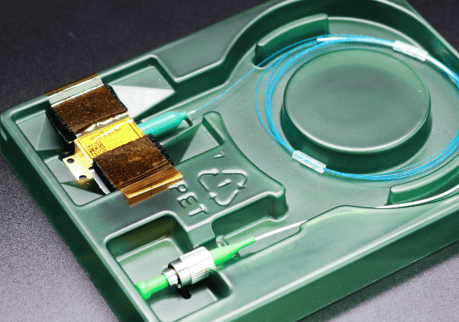
1480nm 300mW SM FP laser diode without FBG
The 1480nm laser is designed for optical amplifier systems, such as fiber Raman amplifiers used in optical transmission systems, and can also be used in DWDM systems. The laser diode chip is packaged in an industry-standard 14-pin butterfly package, with built-in TEC, thermistor, and PIN photodiode. A dual-lens system efficiently couples the circular beam from the laser chip into the optical fiber, achieving an output power of up to 320mW.
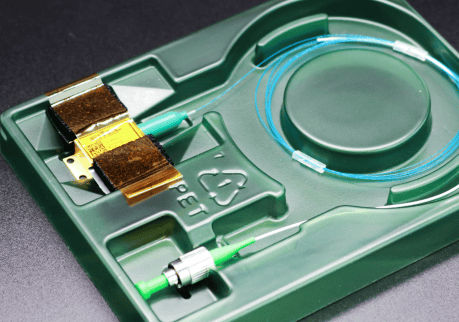
1480nm 300mW PM FP laser diode without FBG
The 1480nm laser is designed for optical amplifier systems, such as fiber Raman amplifiers used in optical transmission systems, and can also be used in DWDM systems. The laser diode chip is packaged in an industry-standard 14-pin butterfly package, with built-in TEC, thermistor, and PIN photodiode. A dual-lens system efficiently couples the circular beam from the laser chip into the optical fiber, achieving an output power of up to 320mW.
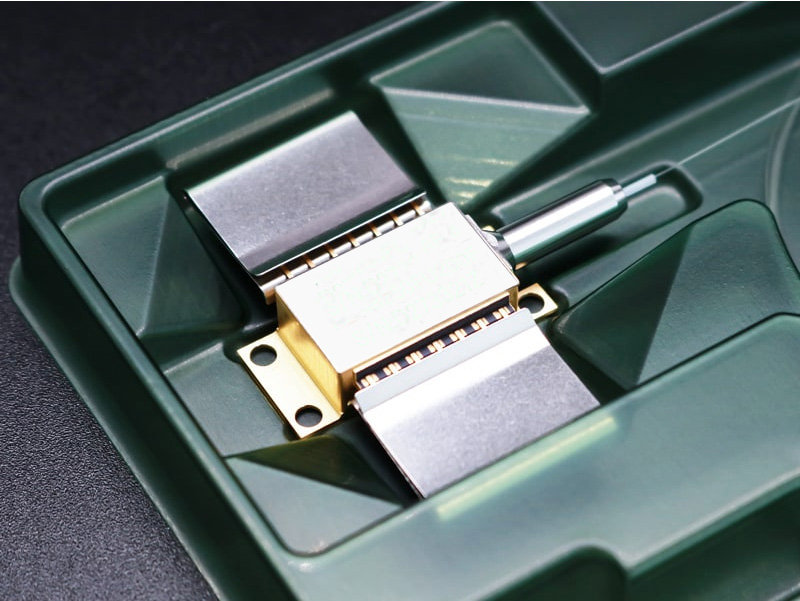
1465nm 400mW PM FP laser diode with FBG
This series are 1.4μm band pump laser modules developed for fiber Raman amplifiers. With an output power of up to 500mW, they feature polarization-maintaining fiber output, 14-pin butterfly package, and integrate built-in TEC, PD, and thermistor.
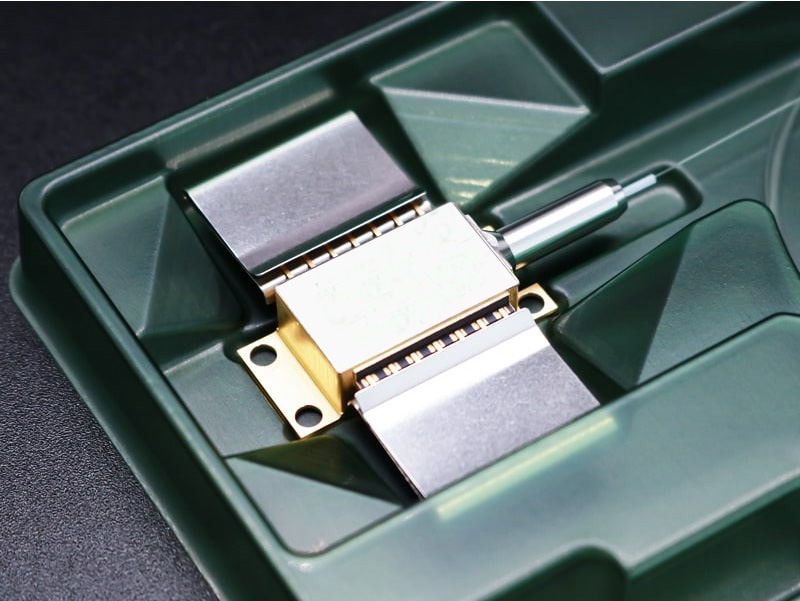
1435nm 400mW PM FP laser diode with FBG
This series are 1.4μm band pump laser modules developed for fiber Raman amplifiers. With an output power of up to 500mW, they feature polarization-maintaining fiber output, 14-pin butterfly package, and integrate built-in TEC, PD, and thermistor.
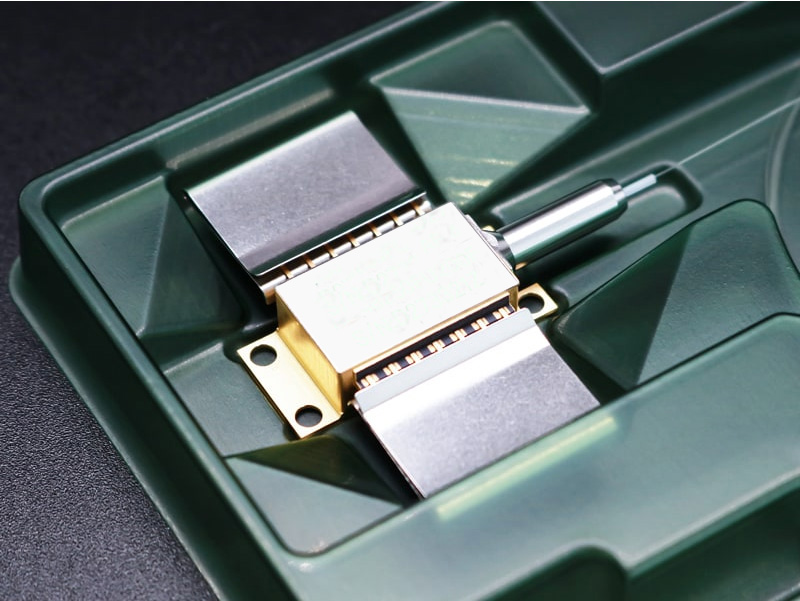
1420nm 500mW PM FP laser diode with FBG
This is a 1.4um band pump laser module developed for fiber Raman amplifiers. It features an output power of up to 500mW, polarization-maintaining fiber output, 14-pin butterfly package, and integrates built-in TEC, PD, and thermistor.
 10+
10 Years of Experience
10+
10 Years of Experience
 50
50 + Countries Bussiness
50
50 + Countries Bussiness
 10000
10k + Diodes sold worldwide
10000
10k + Diodes sold worldwide
 30
30+ Invention patent
30
30+ Invention patent
 10
10+ Advanced Optical Solutions
10
10+ Advanced Optical Solutions
⇪