- Cart
- |
- Personal Center
- |
info@idealphotonics.com

















New Products
New Products
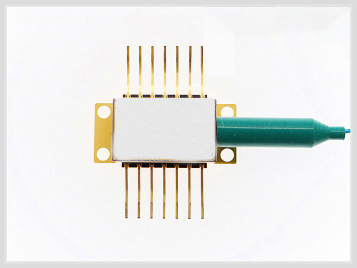
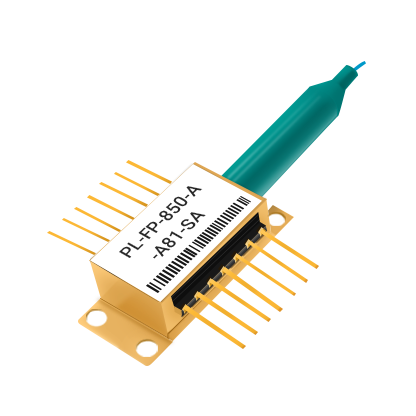
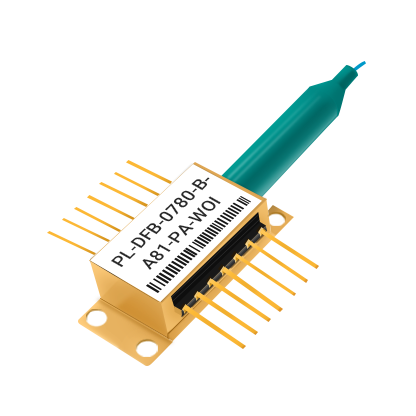
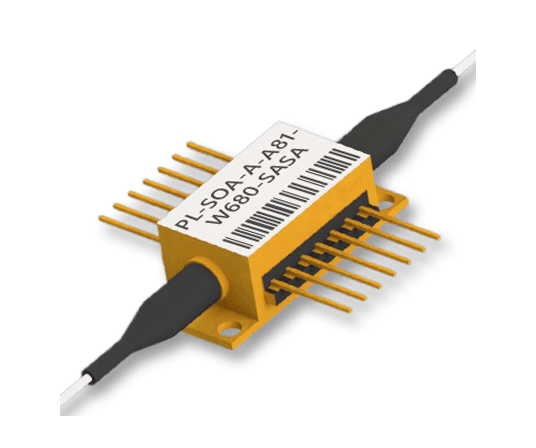
The 1550nm single-mode laser module adopts a 14-pin butterfly package. All chips are mounted on a 2.1mm COS (Chip on Submount) inside the package, and it comes standard with a built-in thermistor, TEC, and photodiode. Our 1550nm single-mode product line is widely used in applications such as optical data storage, printing, laser ranging, illumination, defense, spectral analysis, and graphics processing.
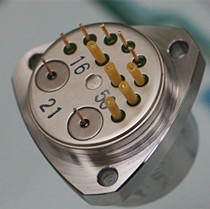
High Resolution Quartz Flexible Accelerometer
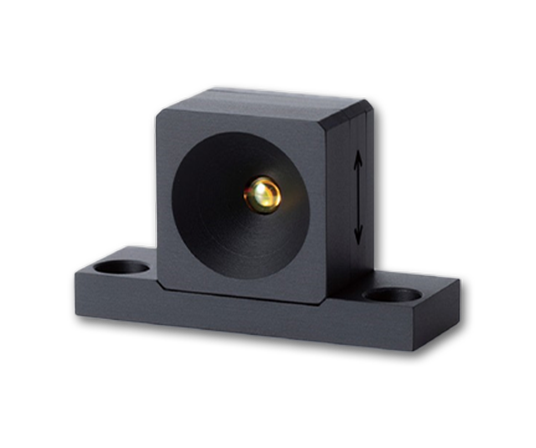
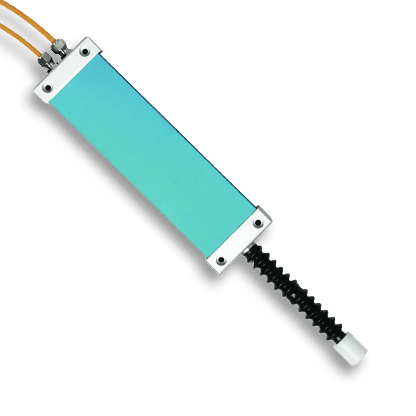
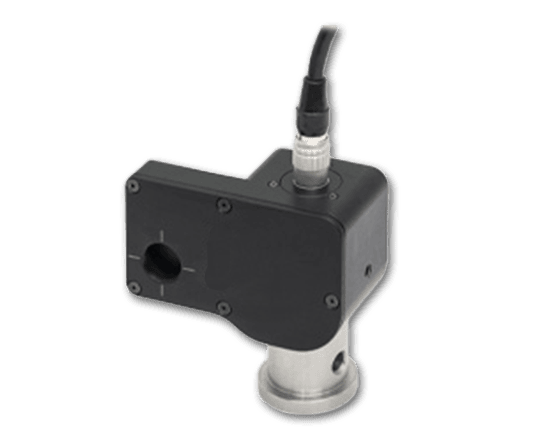
Idealphotonics’s accelerometer employs the latest linear rebalanced accelerometer technology. It is a small, lightweight, high performance Accelerometers, suited for navigation, stabilization and flight control.MP-IP-QA-5108 is ideally suited for Inertial navigation systems ;Precision leveling and measuring systems and Gravity meters.
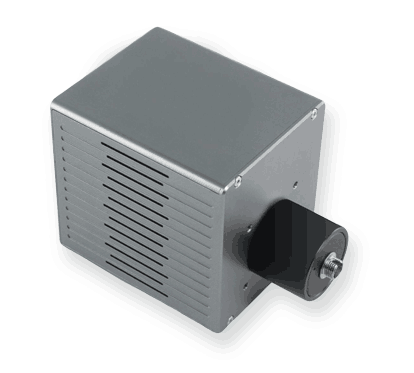
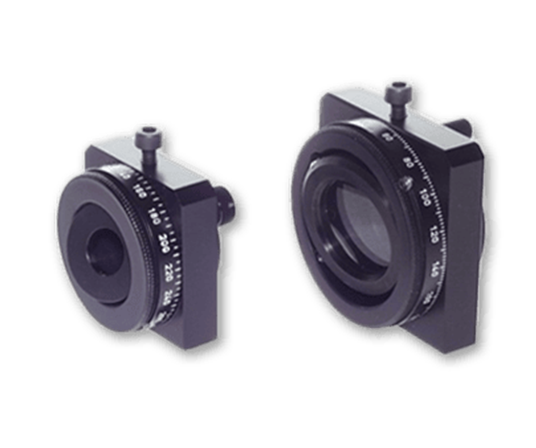
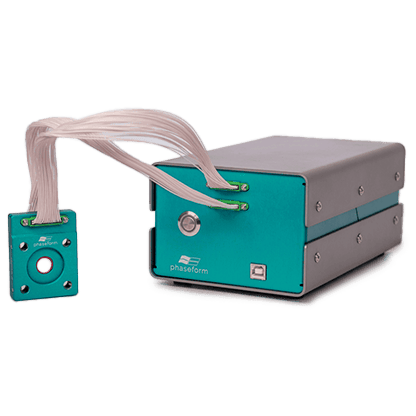
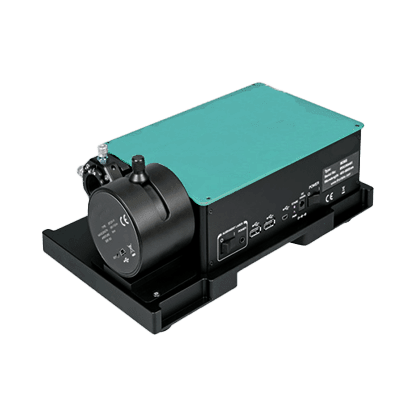
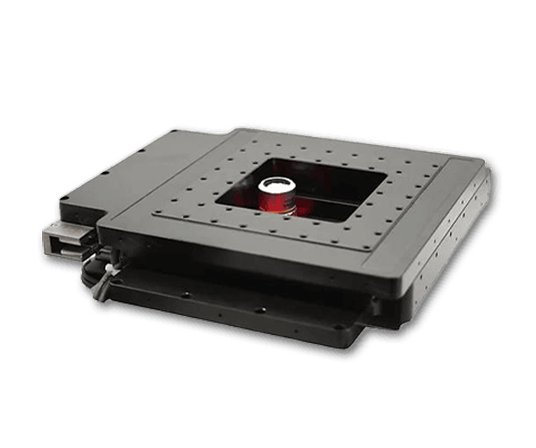
Idealphotonics’ has designed a high-precision polarization analyzer for characterizing the polarization state of continuous-wave lasers. The analyzer is based on a rotating achromatic wave plate and a polarizer. The waveplate is rotated by a motor, while a photodiode (PD) collects one cycle of the signal. From this measurement, the four Stokes parameters (S0, S1, S2, S3) of the input light can be determined, enabling calculation of the polarization azimuth, ellipticity, and other related polarization parameters.
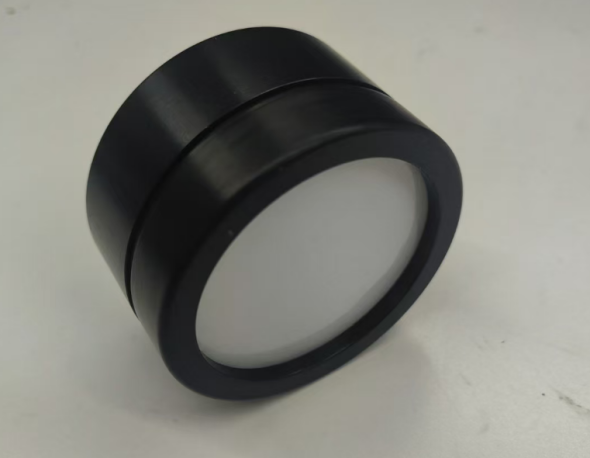
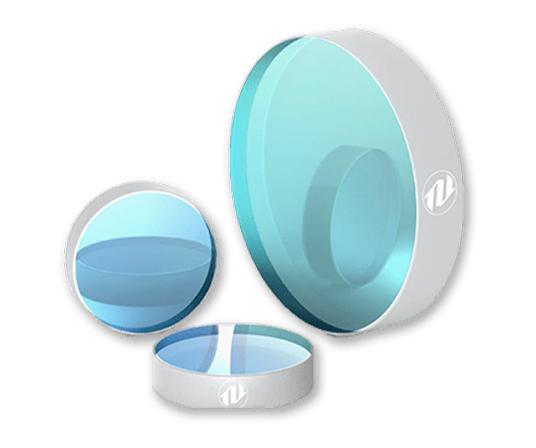
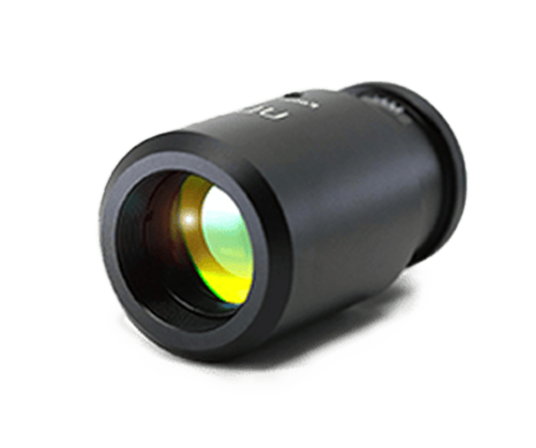
The Terahertz Bandpass Filter is a high-performance device specifically designed for the terahertz frequency range, capable of effectively addressing the filtering challenges in this band. The product adopts a specially designed perforated metal film structure, achieving precise filtering performance in the terahertz region. Featuring a narrow bandwidth, high transmission, and excellent out-of-band suppression, the filter also offers significant advantages such as a large optical aperture, compact structure, and lightweight design. It provides reliable technical support for terahertz imaging, spectroscopy, and communication systems. The filter consists of a series of specially designed metal films with perforations, whose structural dimensions are determined by the required frequency point. Customization is available to meet specific application requirements, with selectable center frequencies covering a range from 0.3 THz to 7 THz. These metal films are mounted on metal rings inside a cylindrical metal housing. The housing is made of aluminum alloy with a black anodized finish. To prevent contamination and physical damage, white or transparent polymer membranes are applied to both sides, ensuring a sufficiently large effective optical aperture while enhancing device signal-to-noise ratio. Two types of effective optical apertures are available: Round: standard clear aperture/outer diameter Φ54 mm / Φ64 mm Square: standard clear aperture 60 mm × 60 mm / outer diameter Φ100 mm (All dimensions can be customized.) Additionally, the product supports customization of the optical aperture to meet demanding requirements for special optical paths or higher energy throughput. A clear product label is attached to the housing surface, indicating key information such as product model and center frequency.
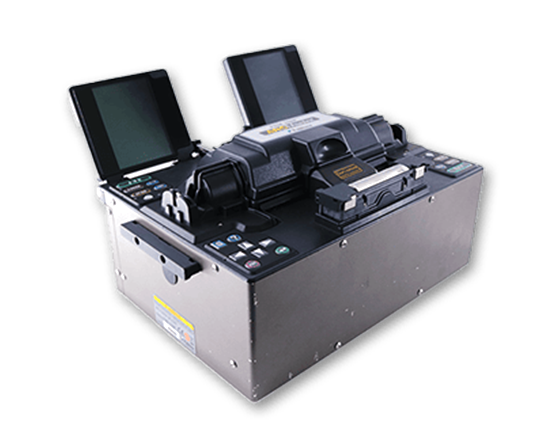
Tilted fiber Bragg grating is an advanced passive fiber optic device, whose internal refractive index modulation grating plane forms a specific angle (tilt angle) with the fiber axis. TFBG continuously couples the fundamental mode energy transmitted in the core to a series of different order cladding modes through its tilted refractive index modulation structure, while satisfying the phase matching condition.
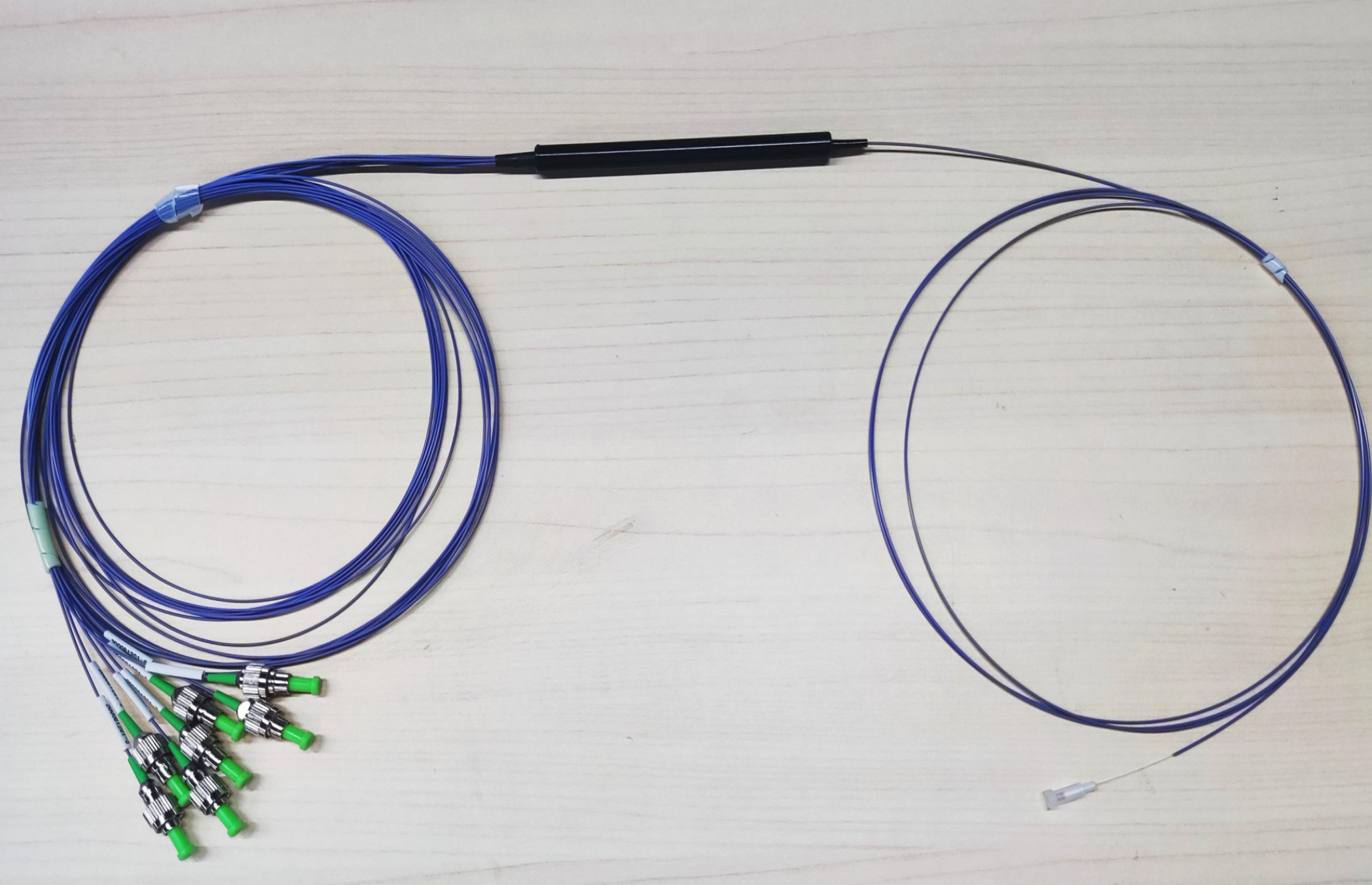
7-Core Fiber Fan-In/Fan-Out Device
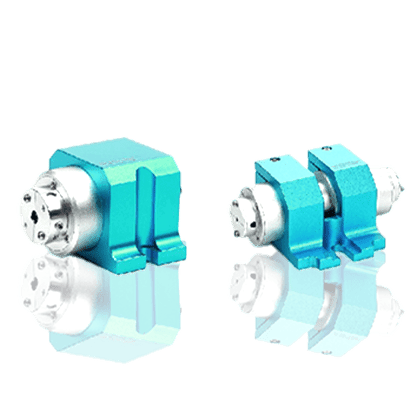
Multi-core fiber fan-in/fan-out devices are key components for achieving efficient coupling between multi-core fibers and standard fibers. These products are manufactured using proprietary technologies with independent intellectual property rights and modular packaging. They feature low loss, low crosstalk, high return loss, and high reliability. Standard products as well as customized solutions are available. They are suitable for applications in optical communication, optical interconnection, optical sensing, and other related fields.
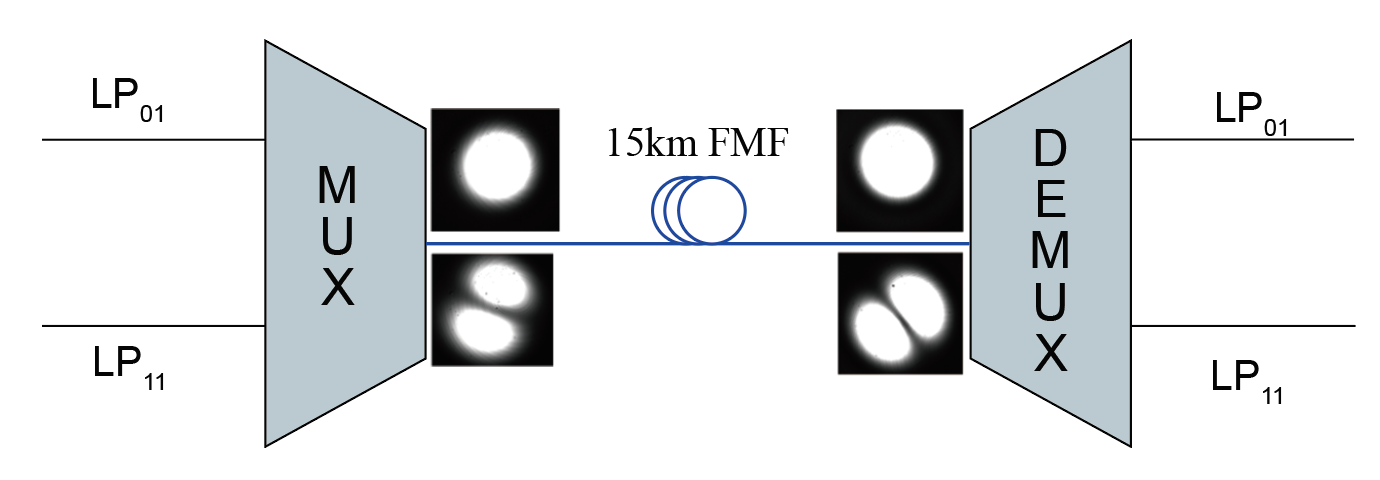
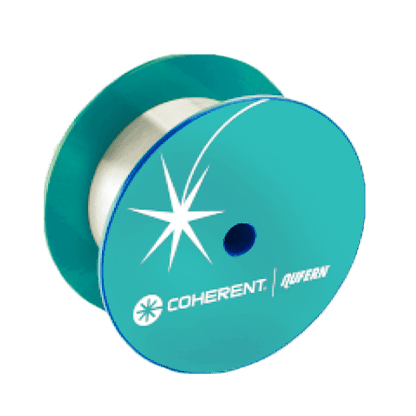
Our series of mode multiplexers/demultiplexers and mode converters are manufactured through a unique process design. They feature advantages such as low loss, low crosstalk, and a broad operating wavelength range, and are fully compatible with the few-mode fibers (FMFs) developed by our company. As key components for enabling mode multiplexing and demultiplexing, they are well suited for applications in optical transmission, optical sensing, scientific research, and other fields. We also provide comprehensive solutions for mode couplers tailored to few-mode fibers and multi-core few-mode fibers, along with customized services.
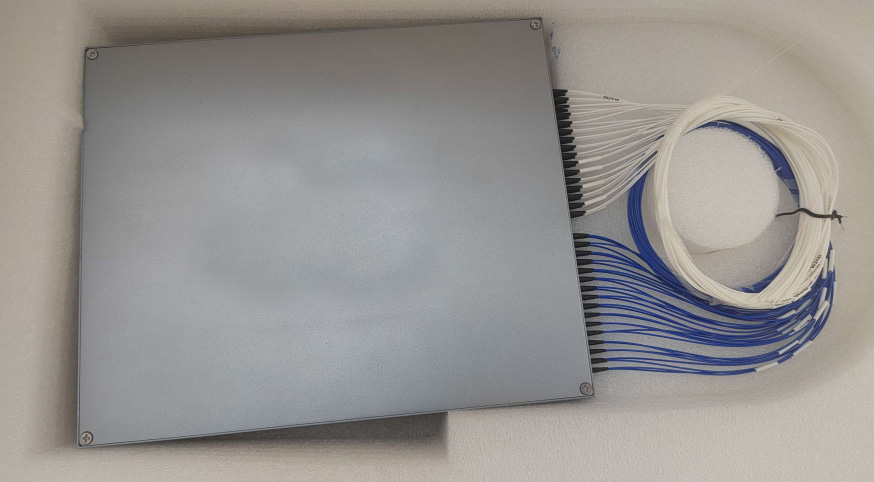
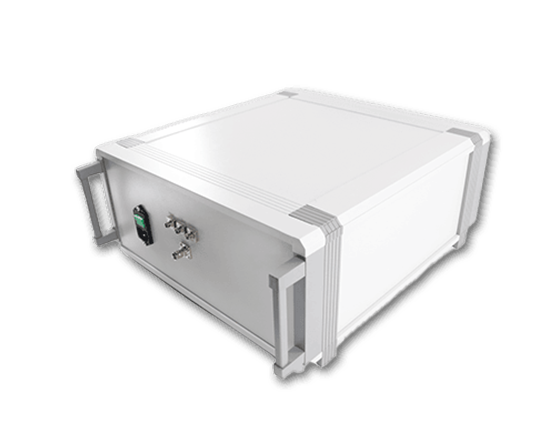
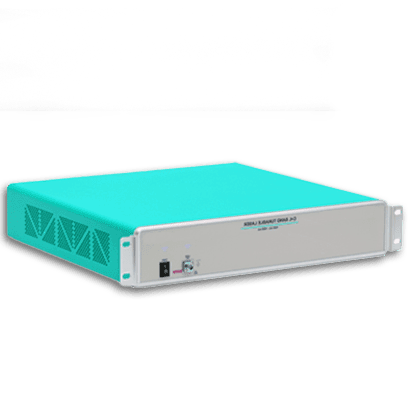
The matrix optical switch is a high-performance, modular all-optical signal matrix switch. It adopts MEMS technology and switching control technology, uses light as the signal transmission medium, and features strong anti-interference ability and small signal attenuation amplitude.
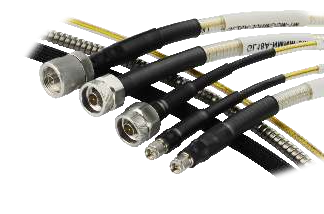
The microwave test cable is a durable and cost-effective testing solution, widely used in various testing scenarios and system interconnections due to its excellent performance. It features an ultra-stable cable design and wear-resistant stainless steel connectors, allowing for prolonged and stable connection cycles.This makes it especially suitable for use in production lines, laboratories, and field environments.Moreover, this test cable is also highly competitive when applied in system interconnection applications.
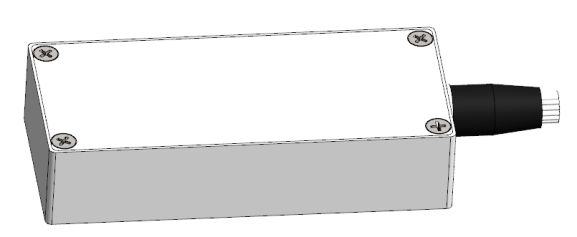
This model of optical switch module (hereinafter referred to as MEMS optical switch) is a module product with multi-channel optical path switching function. The MEMS optical switch product is an optical switch manufactured using the electrostatically driven micro-mirror scheme, featuring small size, fast response speed and stable performance, and can be widely used in various optical communication and testing systems.
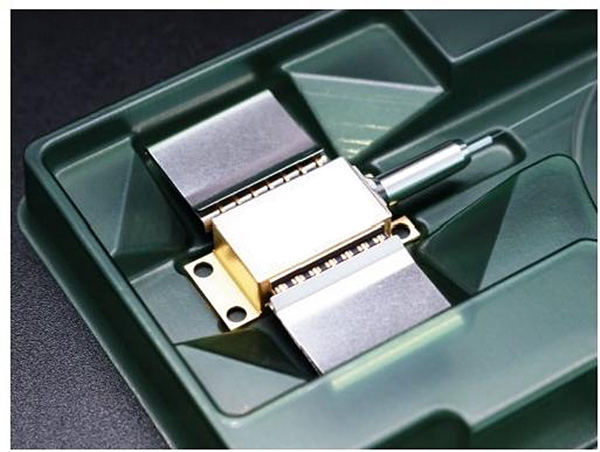
1435-1465-1475nm FP High-power Laser Diode with FBG 500mW
The type is a pump Laser diode module in the 1.4μm band developed for Fiber Raman amplifier. The output power is up to 500mW with PM fiber output, and 14 Pin butterfly package. It has build-in TEC, PD and thermistor.

1550nm single-mode acousto-optic modulator 80MHz
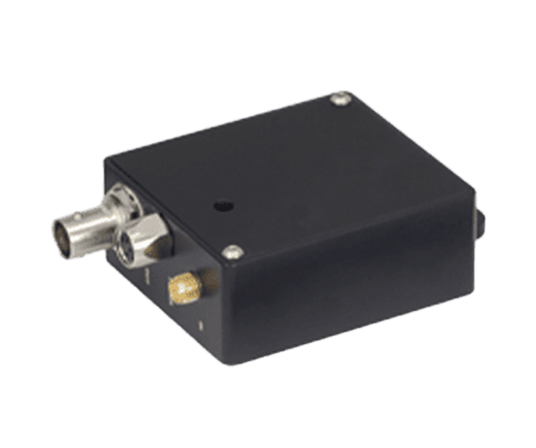
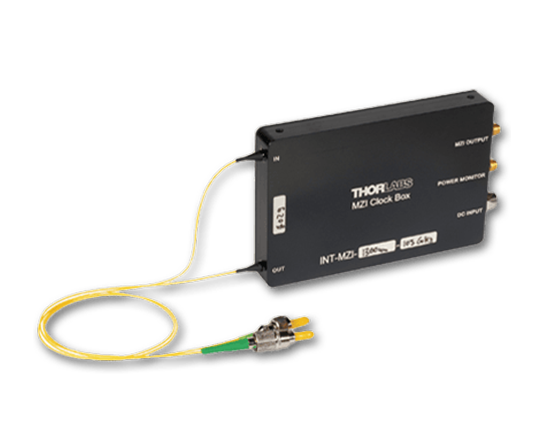
Idealphotonics' acousto-optic modulators are widely used in the field of fiber optic sensing due to their high modulation extinction ratio and high power handling. This product is specially developed for the application needs of fiber optic sensing. It has the advantages of small size, low power consumption (<1W), fast rise time (12ns), good modulated pulse shape (small overshoot), good pulse repeatability (small repetition period jitter), etc. In addition, the modulator and driver can be packaged in an integrated manner, which is convenient for system integration. It can be widely used in various fiber optic sensing systems that require pulse modulation, such as φ-OTDR, BOTDR, OFDR, etc.
 10+
10 Years of Experience
10+
10 Years of Experience
 50
50 + Countries Bussiness
50
50 + Countries Bussiness
 10000
10k + Diodes sold worldwide
10000
10k + Diodes sold worldwide
 30
30+ Invention patent
30
30+ Invention patent
 10
10+ Advanced Optical Solutions
10
10+ Advanced Optical Solutions
⇪