- Cart
- |
- Personal Center
- |
info@idealphotonics.com

















New Products
New Products
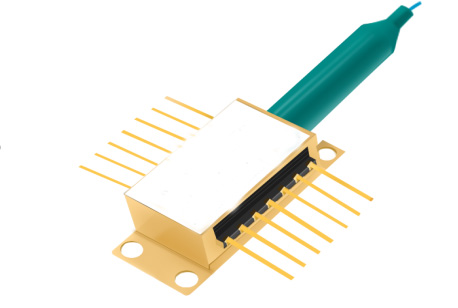
1360nm 500mW PM FP laser diode with FBG
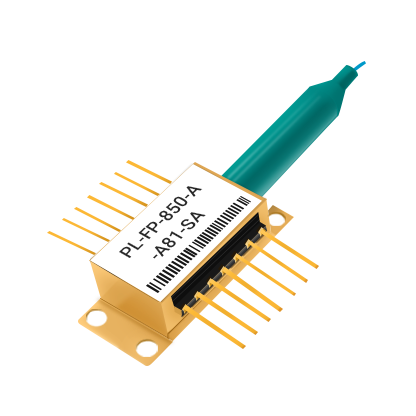
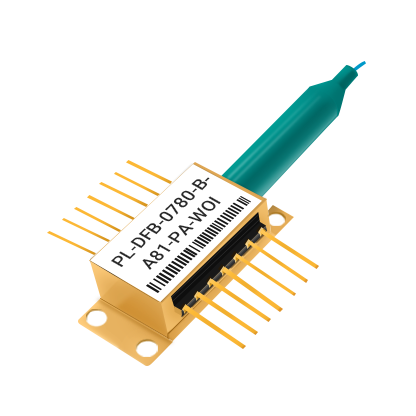
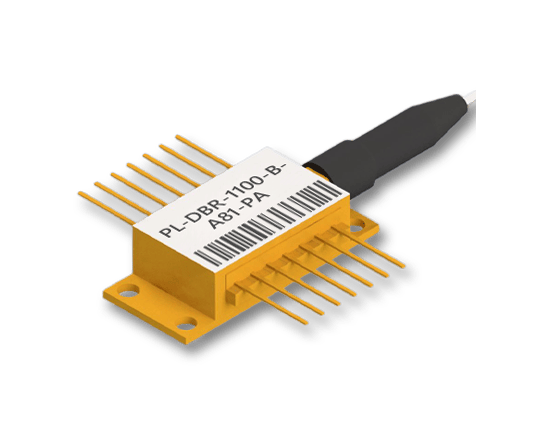
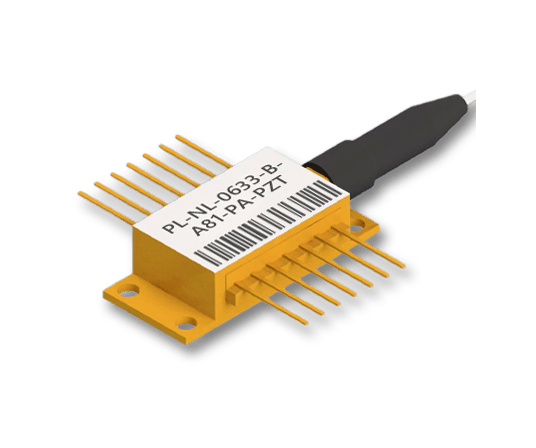
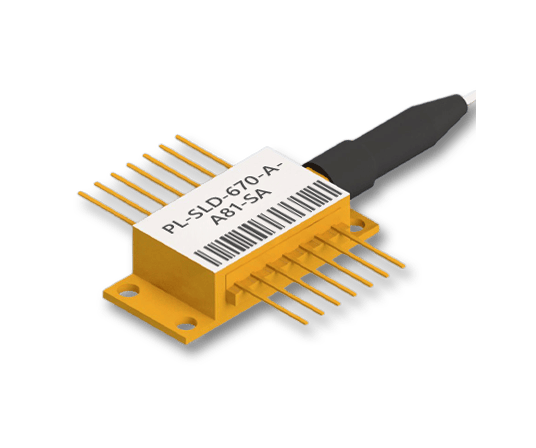
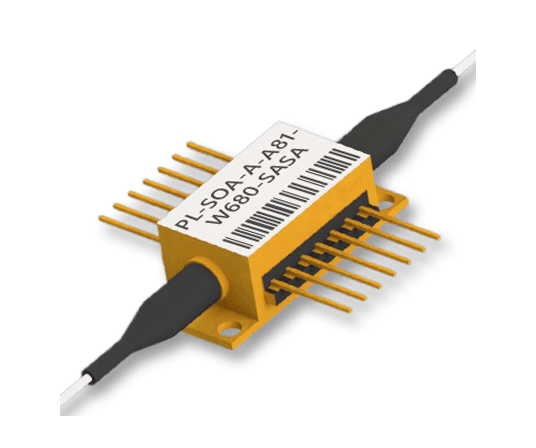
The 1360nm 500mW high-power FP laser is purpose-built for high-order Raman amplifiers. It adopts a 14-pin butterfly package, and is integrated with a photodiode (PD) and a thermoelectric cooler (TEC).
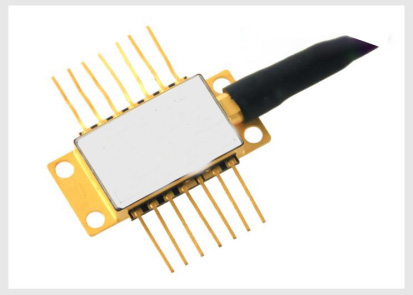
The 1750nm single-mode laser module adopts a 14-pin butterfly package. All chips are mounted on a 2.1mm COS (Chip on Submount) inside the package, and it comes standard with a built-in thermistor, TEC, and photodiode. Our 1750nm single-mode product line is widely used in applications such as optical data storage, printing, laser ranging, illumination, defense, spectral analysis, and graphics processing.
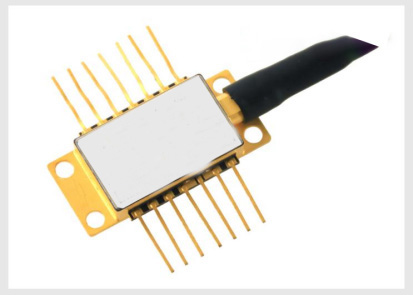
The 1750nm single-mode laser module adopts a 14-pin butterfly package. All chips are mounted on a 2.1mm COS (Chip on Submount) inside the package, and it comes standard with a built-in thermistor, TEC, and photodiode. Our 1750nm single-mode product line is widely used in applications such as optical data storage, printing, laser ranging, illumination, defense, spectral analysis, and graphics processing.
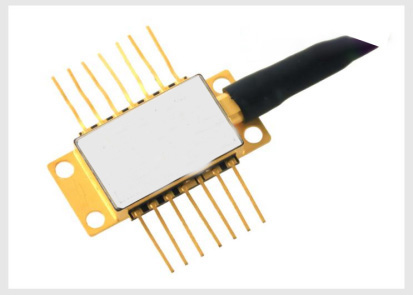
1650nm 200mW SM FP Laser Diode
The 1650nm single-mode laser module adopts a 14-pin butterfly package. All chips are mounted on a 2.1mm COS (Chip on Submount) inside the package, and it comes standard with a built-in thermistor, TEC, and photodiode. Our 1650nm single-mode product line is widely used in applications such as optical data storage, printing, laser ranging, illumination, defense, spectral analysis, and graphics processing.
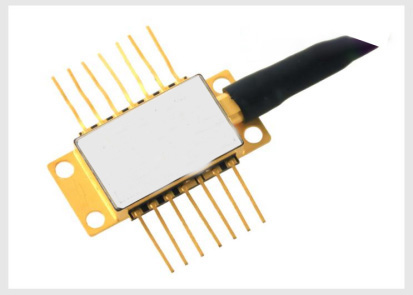
1650nm 200mW PM FP Laser Diode
The 1650nm single-mode laser module adopts a 14-pin butterfly package. All chips are mounted on a 2.1mm COS (Chip on Submount) inside the package, and it comes standard with a built-in thermistor, TEC, and photodiode. Our 1650nm single-mode product line is widely used in applications such as optical data storage, printing, laser ranging, illumination, defense, spectral analysis, and graphics processing.
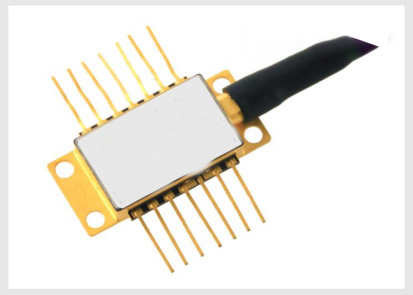
The 1625nm single-mode laser module adopts a 14-pin butterfly package. All chips are mounted on a 2.1mm COS (Chip on Submount) inside the package, and it comes standard with a built-in thermistor, TEC, and photodiode. Our 1625nm single-mode product line is widely used in applications such as optical data storage, printing, laser ranging, illumination, defense, spectral analysis, and graphics processing.
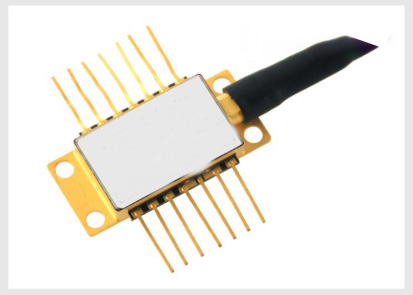
The 1625nm single-mode laser module adopts a 14-pin butterfly package. All chips are mounted on a 2.1mm COS (Chip on Submount) inside the package, and it comes standard with a built-in thermistor, TEC, and photodiode. Our 1625nm single-mode product line is widely used in applications such as optical data storage, printing, laser ranging, illumination, defense, spectral analysis, and graphics processing.
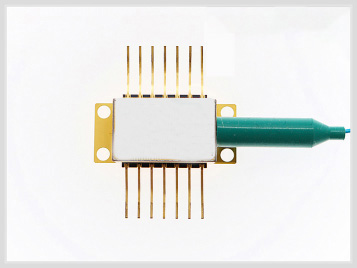
1550nm 450mW SM FP Laser Diode
The 1550nm single-mode laser module adopts a 14-pin butterfly package. All chips are mounted on a 2.1mm COS (Chip on Submount) inside the package, and it comes standard with a built-in thermistor, TEC, and photodiode. Our 1550nm single-mode product line is widely used in applications such as optical data storage, printing, laser ranging, illumination, defense, spectral analysis, and graphics processing.
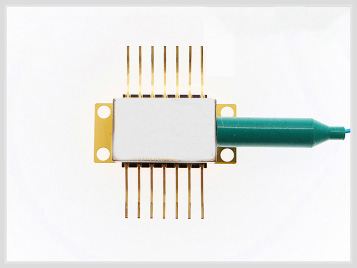
1550nm 450mW PM FP Laser Diode
The 1550nm single-mode laser module adopts a 14-pin butterfly package. All chips are mounted on a 2.1mm COS (Chip on Submount) inside the package, and it comes standard with a built-in thermistor, TEC, and photodiode. Our 1550nm single-mode product line is widely used in applications such as optical data storage, printing, laser ranging, illumination, defense, spectral analysis, and graphics processing.
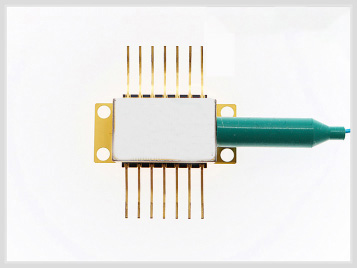
1550nm 200mW SM FP Laser Diode
The 1550nm single-mode laser module adopts a 14-pin butterfly package. All chips are mounted on a 2.1mm COS (Chip on Submount) inside the package, and it comes standard with a built-in thermistor, TEC, and photodiode. Our 1550nm single-mode product line is widely used in applications such as optical data storage, printing, laser ranging, illumination, defense, spectral analysis, and graphics processing.
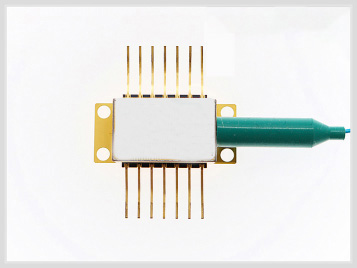
1550nm 200mW PM FP Laser Diode
The 1550nm single-mode laser module adopts a 14-pin butterfly package. All chips are mounted on a 2.1mm COS (Chip on Submount) inside the package, and it comes standard with a built-in thermistor, TEC, and photodiode. Our 1550nm single-mode product line is widely used in applications such as optical data storage, printing, laser ranging, illumination, defense, spectral analysis, and graphics processing.
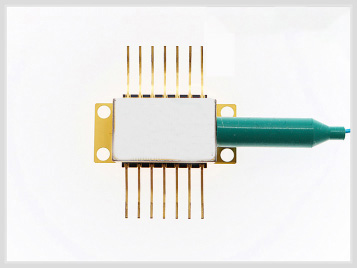
The 1550nm single-mode laser module adopts a 14-pin butterfly package. All chips are mounted on a 2.1mm COS (Chip on Submount) inside the package, and it comes standard with a built-in thermistor, TEC, and photodiode. Our 1550nm single-mode product line is widely used in applications such as optical data storage, printing, laser ranging, illumination, defense, spectral analysis, and graphics processing.
 10+
10 Years of Experience
10+
10 Years of Experience
 50
50 + Countries Bussiness
50
50 + Countries Bussiness
 10000
10k + Diodes sold worldwide
10000
10k + Diodes sold worldwide
 30
30+ Invention patent
30
30+ Invention patent
 10
10+ Advanced Optical Solutions
10
10+ Advanced Optical Solutions
⇪