- Cart
- |
- Personal Center
- |
info@idealphotonics.com

















New Products
New Products
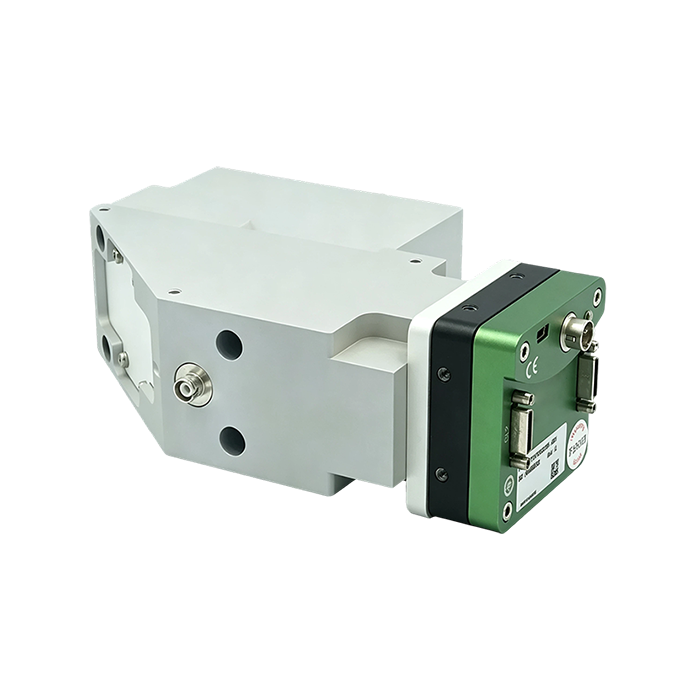
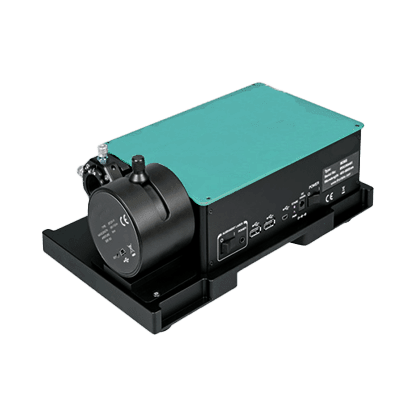
The 820-860 nm OCT spectrometer is a high-axial-depth, high-throughput OEM spectral detection module designed for SD-OCT (Spectral-Domain Optical Coherence Tomography) systems. Featuring a 40 nm spectral bandwidth and a 2048-pixel line-scan camera, it delivers a maximum measurement depth of 9.0 mm (in air) and an axial resolution of 9.2 μm (in air). The module incorporates a high-efficiency transmission grating and a stable optomechanical structure, offers USB3 or CameraLink interfaces, and supports multiple high-speed acquisition rates, making it suitable for integration into industrial, medical, and OEM OCT systems.
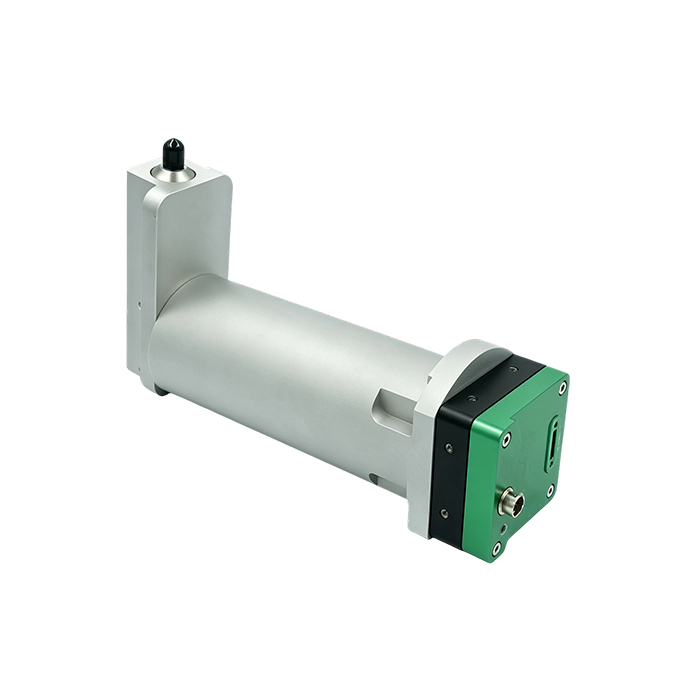
The 800-890nm OCT spectrometer is a high-performance spectral acquisition module designed for spectral-domain optical coherence tomography applications. Covering a wavelength range of 800-890 nm, the product employs a high-efficiency transmission grating and an optimized optical architecture, combined with a high-speed 2048-pixel linear array detector, to deliver high spectral resolution, high optical throughput, and fast spectral acquisition. In OCT applications, this spectrometer enables a typical axial resolution of 4.1μm in air and a maximum measurement depth of 4.0 mm (in air), making it suitable for SD-OCT systems in ophthalmology, biomedical imaging, research, and industrial nondestructive testing.
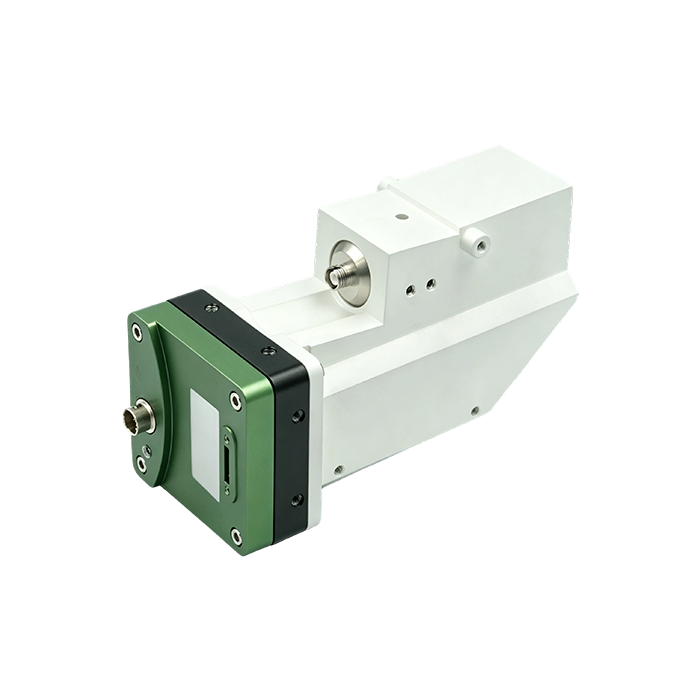
The 780-920nm OCT spectrometer is a broadband, high-speed spectral detection module designed for high-resolution SD-OCT systems. Covering a wavelength range of 780-920 nm, it employs a high-efficiency transmission grating and a 2048-pixel high-speed CMOS line-scan camera, achieving maximum acquisition speeds up to 250 kHz. The product delivers an axial resolution of approximately 2.7 μm in air, combined with high optical throughput, low temperature drift, and excellent roll-off performance. It is suitable for ophthalmic OCT, biomedical imaging, industrial inspection, and research system integration.
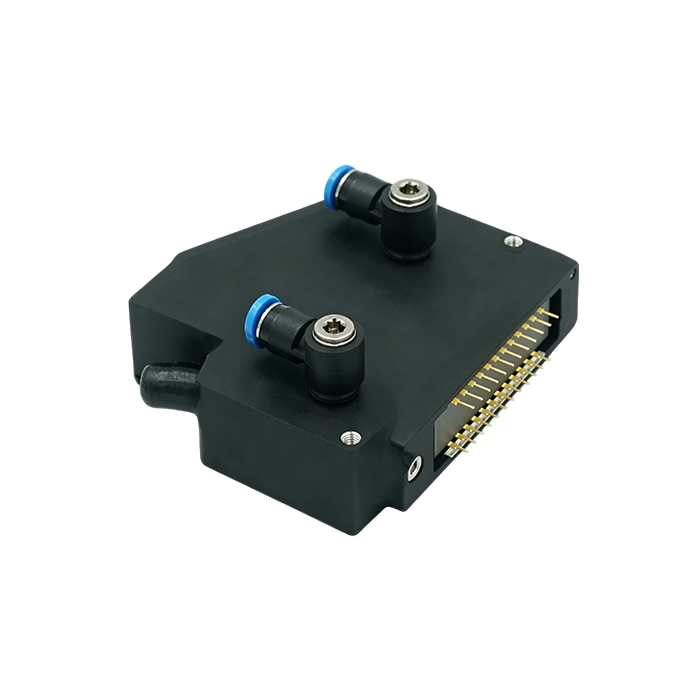
The 178-409nm LIBS spectrometer is a compact deep-UV spectral module specifically designed for laser-induced breakdown spectroscopy (LIBS) elemental analysis. Covering a wavelength range of 178-409 nm, it delivers a typical spectral resolution of 0.3 nm. The product employs a high-dispersion transmission grating and a 2048-pixel linear array detector, offering high optical efficiency, high signal-to-noise ratio, low temperature drift, and good time-gated measurement performance. With overall dimensions of only 61 × 65 × 19 mm, it supports inert gas purging and SPI/USB interfaces, making it suitable for portable LIBS, material elemental analysis, industrial online inspection, and integration into OEM spectral analysis systems.
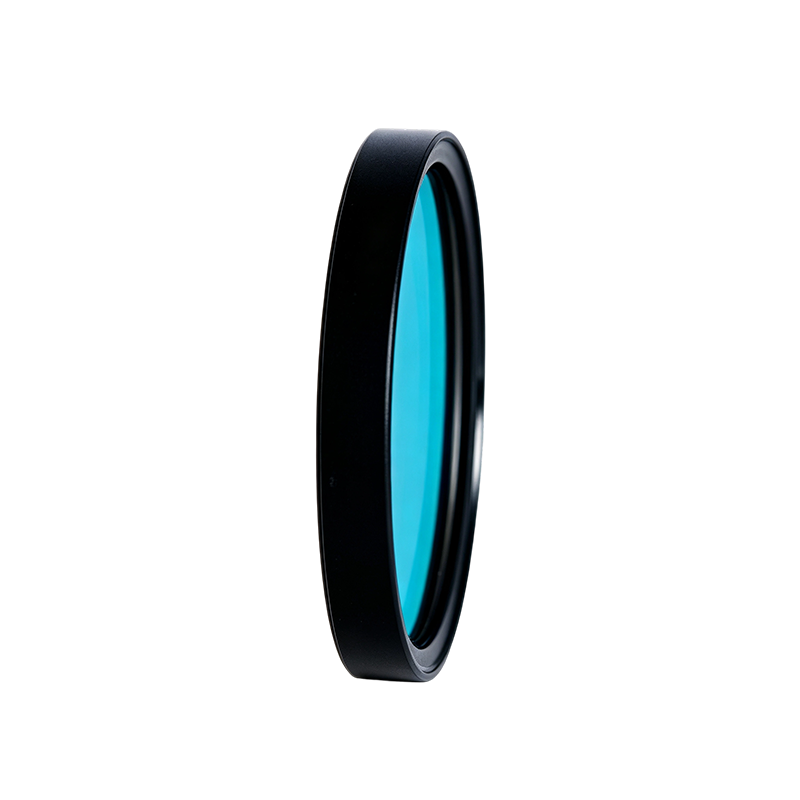
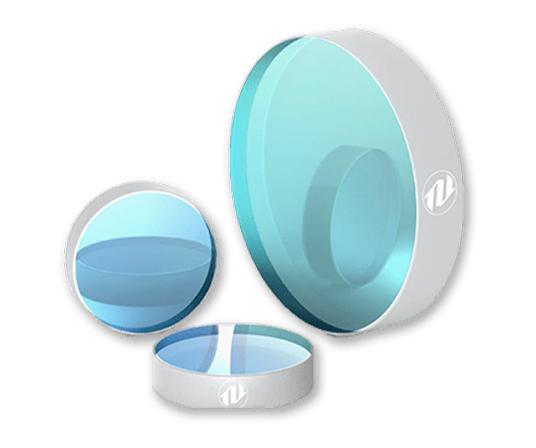
302 nm Narrow Bandpass Optical Filter
The 302 nm ultraviolet narrow bandpass optical filter is a high-performance bandpass filter designed for spectral selection and precision detection in the ultraviolet region. It primarily transmits UV light from 288.5 nm to 314.5 nm with an average transmittance Tavg > 70%, while providing high optical density blocking on both sides of the passband, including UV and visible wavelengths, effectively reducing interference from background light and stray light in detection systems. The filter has a FWHM of 28.6 nm and a guaranteed minimum bandwidth of 26 nm, enabling selective extraction of UV signals around 302 nm. Featuring a near-normal incidence design with a standard angle of incidence of 0°± 5°, it is suitable for UV fluorescence detection, spectroscopy, UV imaging, photochemical research, and precision optical inspection.
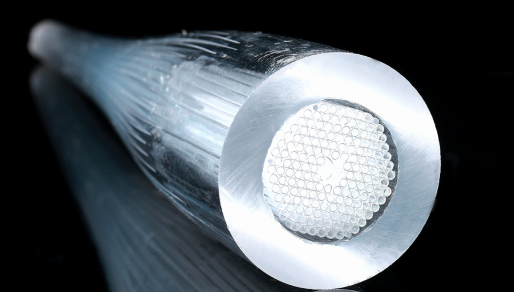
Highly Nonlinear Photonic Crystal Fiber
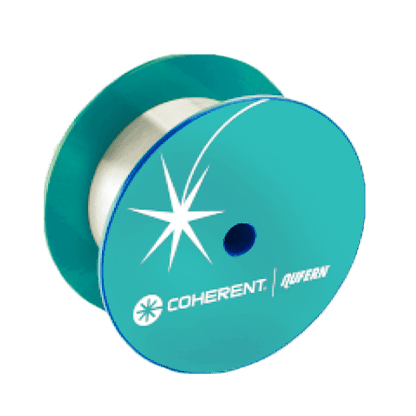
Photonic crystal fiber (PCF) is a specialty fiber that achieves light field confinement and propagation characteristics control by introducing periodic or specifically arranged microstructure air holes in the fiber cladding. This series is developed based on synthetic raw materials, CVD processes, and theoretical simulation calculations, and currently covers product categories including endlessly single-mode photonic crystal fiber, polarization-maintaining photonic crystal fiber, photosensitive photonic crystal fiber, highly nonlinear photonic crystal fiber, Bragg cladding fiber, and hollow-core photonic crystal fiber. The series features good radiation resistance, flexible structural design, tunable dispersion, and tunable nonlinear coefficient, making it suitable for broadband single-mode transmission, energy delivery, gas and liquid sensing, optical communications, and fiber laser applications.
Photosensitive Photonic Crystal Fiber
Photonic crystal fiber (PCF) is a specialty fiber that achieves light field confinement and propagation characteristics control by introducing periodic or specifically arranged microstructure air holes in the fiber cladding. This series is developed based on synthetic raw materials, CVD processes, and theoretical simulation calculations, and currently covers product categories including endlessly single-mode photonic crystal fiber, polarization-maintaining photonic crystal fiber, photosensitive photonic crystal fiber, highly nonlinear photonic crystal fiber, Bragg cladding fiber, and hollow-core photonic crystal fiber. The series features good radiation resistance, flexible structural design, tunable dispersion, and tunable nonlinear coefficient, making it suitable for broadband single-mode transmission, energy delivery, gas and liquid sensing, optical communications, and fiber laser applications.
Multi-Core Photonic Crystal Fiber
Photonic crystal fiber (PCF) is a specialty fiber that achieves light field confinement and propagation characteristics control by introducing periodic or specifically arranged microstructure air holes in the fiber cladding. This series is developed based on synthetic raw materials, CVD processes, and theoretical simulation calculations, and currently covers product categories including endlessly single-mode photonic crystal fiber, polarization-maintaining photonic crystal fiber, photosensitive photonic crystal fiber, highly nonlinear photonic crystal fiber, Bragg cladding fiber, and hollow-core photonic crystal fiber. The series features good radiation resistance, flexible structural design, tunable dispersion, and tunable nonlinear coefficient, making it suitable for broadband single-mode transmission, energy delivery, gas and liquid sensing, optical communications, and fiber laser applications.
Fluorine-Doped Core Photonic Crystal Fiber
Photonic crystal fiber (PCF) is a specialty fiber that achieves light field confinement and propagation characteristics control by introducing periodic or specifically arranged microstructure air holes in the fiber cladding. This series is developed based on synthetic raw materials, CVD processes, and theoretical simulation calculations, and currently covers product categories including endlessly single-mode photonic crystal fiber, polarization-maintaining photonic crystal fiber, photosensitive photonic crystal fiber, highly nonlinear photonic crystal fiber, Bragg cladding fiber, and hollow-core photonic crystal fiber. The series features good radiation resistance, flexible structural design, tunable dispersion, and tunable nonlinear coefficient, making it suitable for broadband single-mode transmission, energy delivery, gas and liquid sensing, optical communications, and fiber laser applications.
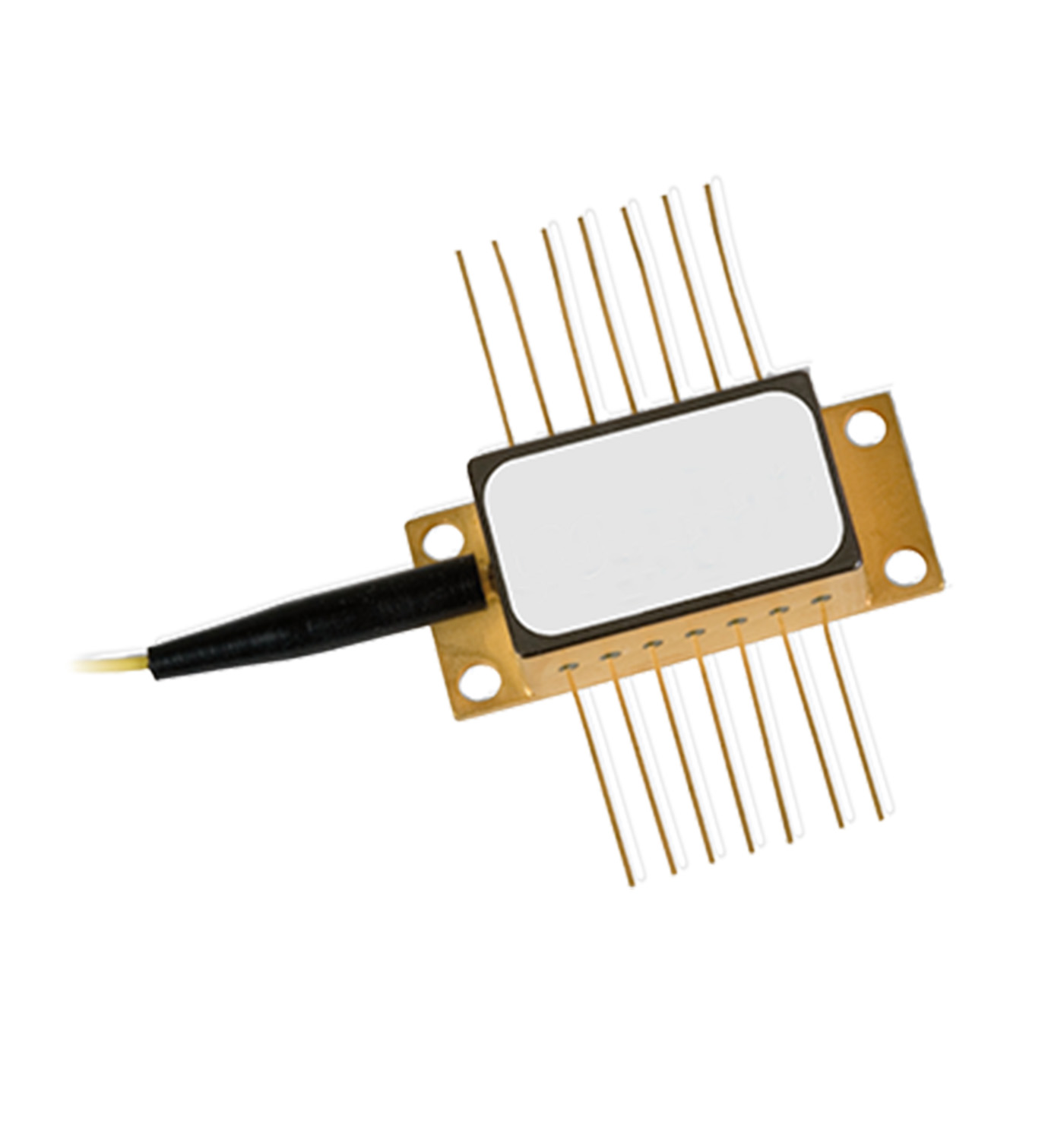
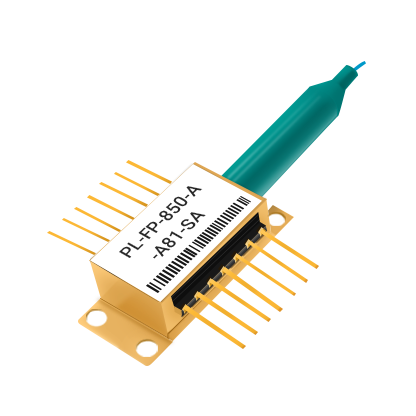
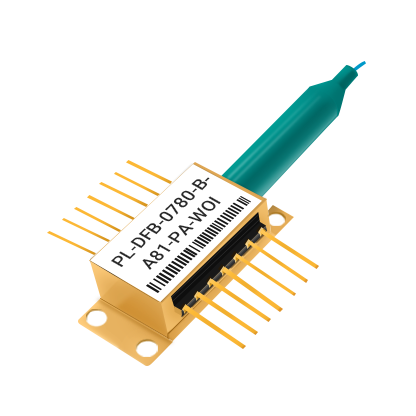
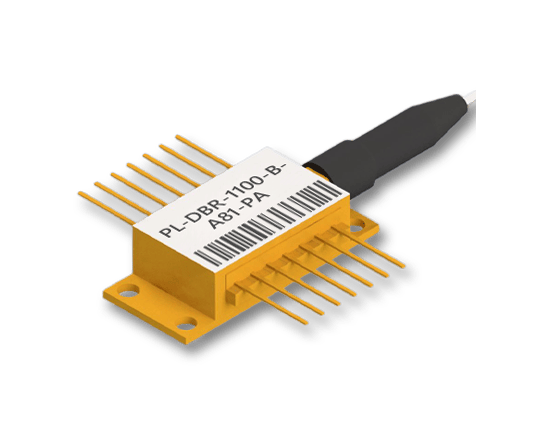
1064nm 150mW DBR Fiber-Coupled Distributed Feedback Laser Module
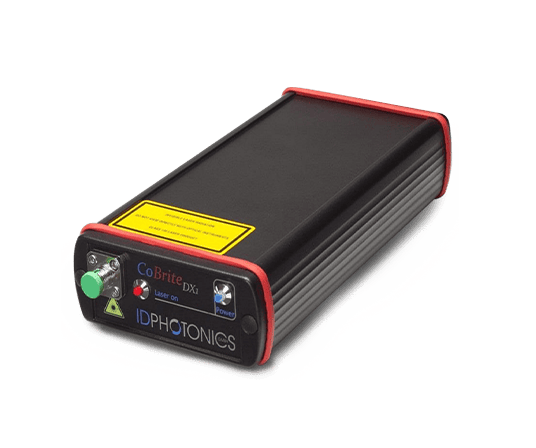
DBR laser consists of multiple parts: this includes a gain section and a separate DBR grating. The waveguide structure on the laser diode needs to provide feedback according to a specific wavelength. This waveguide also partially serves as an amplification medium.
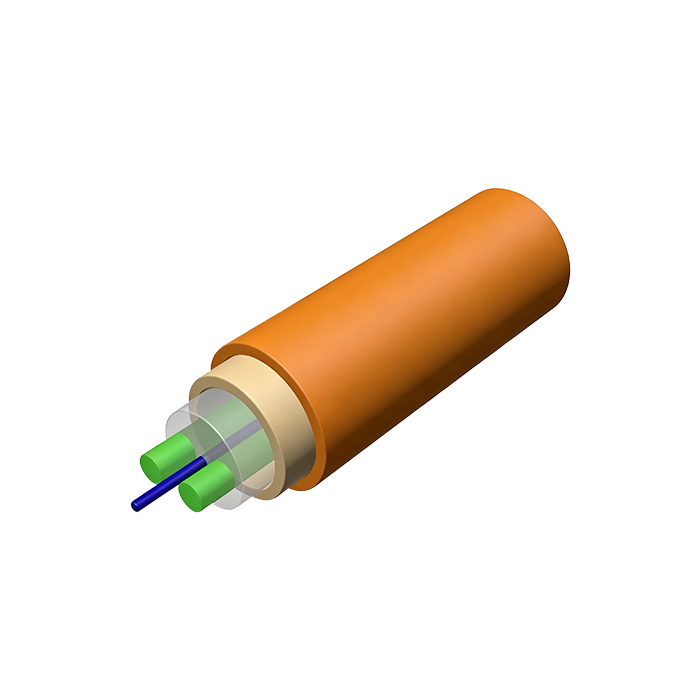
Panda-Type Polarization-Maintaining Fiber for Fiber Optic Gyroscope Waveguide
The Panda-type polarization-maintaining fiber for fiber optic gyroscope waveguide is suitable for use in fiber optic gyroscopes and other polarization-sensitive components. This fiber has been optimized specifically for device requirements, focusing on geometric symmetry and grindability. While maintaining excellent polarization performance, it also exhibits good grindability, making it a PM fiber that can be both wound into coils and polished/ground. In addition, we has solved the splicing problem between 60 μm waveguide fiber and 80 μm fiber, improving splice reliability, reducing splice loss, and enhancing the overall accuracy of the fiber optic gyroscope system.
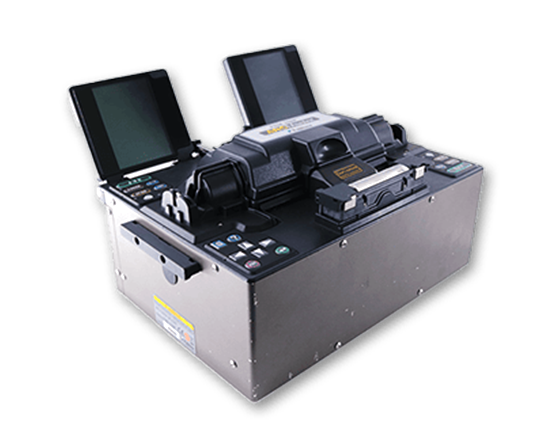
The extremely-fine diameter Panda-type polarization-maintaining optical fiber for fiber optic gyroscope (FOG) sensing coils is developed in response to the demand for high precision, miniaturization, and low cost in FOG applications. It offers an 80 μm outer diameter extremely-fine Panda-type polarization-maintaining fiber that meets the winding requirements for various small-form-factor coils. In particular, the 50/80 size series of polarization-maintaining fiber is compatible with mainstream splicing equipment and can be properly spliced to 60/100 waveguide fibers.
 10+
10 Years of Experience
10+
10 Years of Experience
 50
50 + Countries Bussiness
50
50 + Countries Bussiness
 10000
10k + Diodes sold worldwide
10000
10k + Diodes sold worldwide
 30
30+ Invention patent
30
30+ Invention patent
 10
10+ Advanced Optical Solutions
10
10+ Advanced Optical Solutions
⇪