- Cart
- |
- Personal Center
- |
info@idealphotonics.com




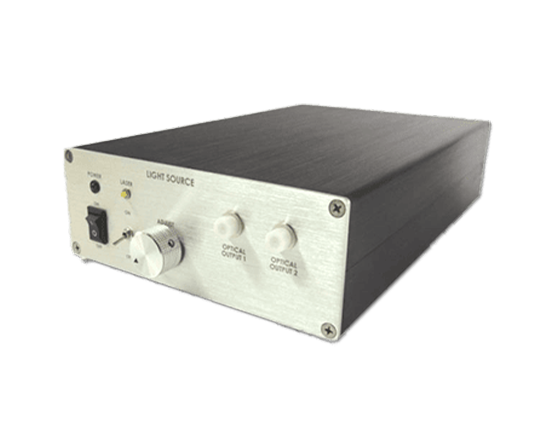
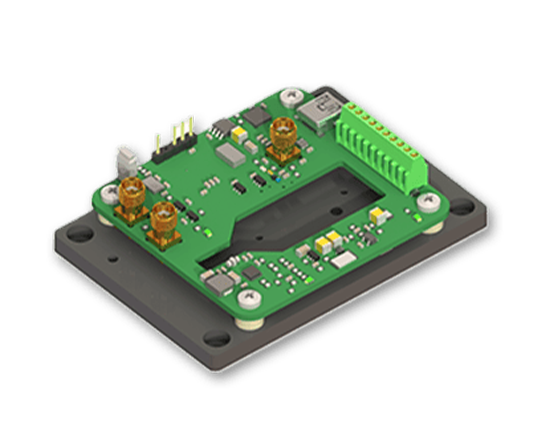
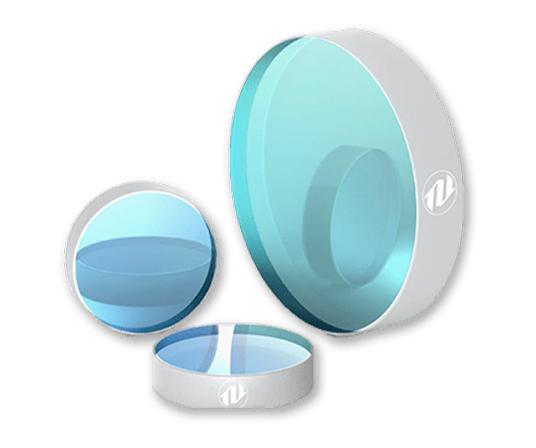
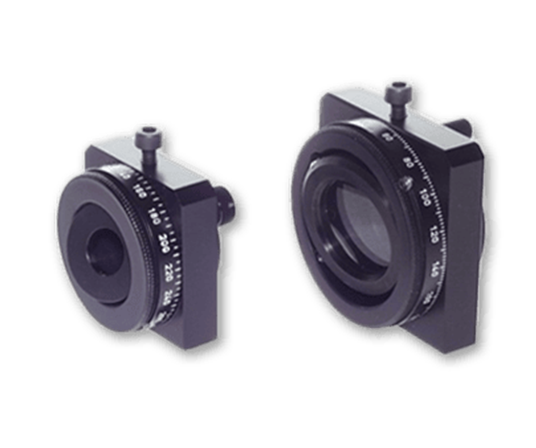
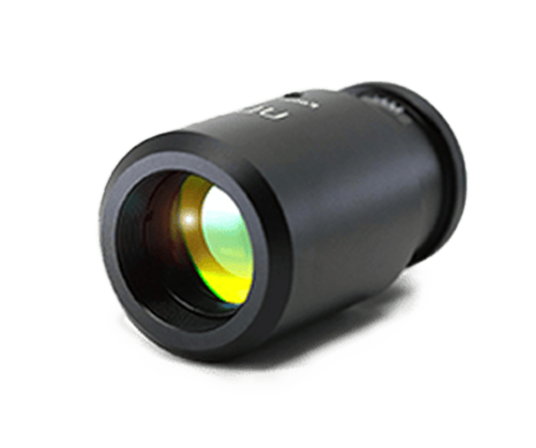
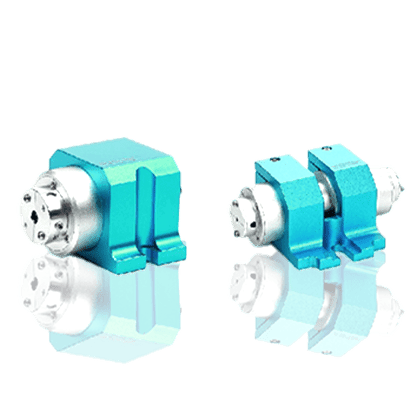
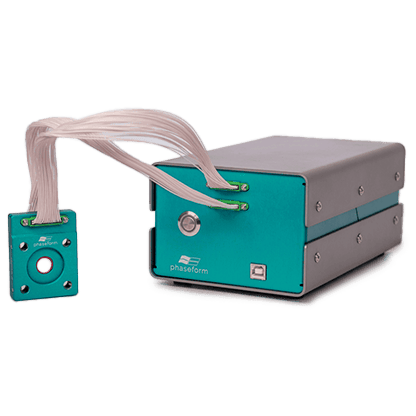

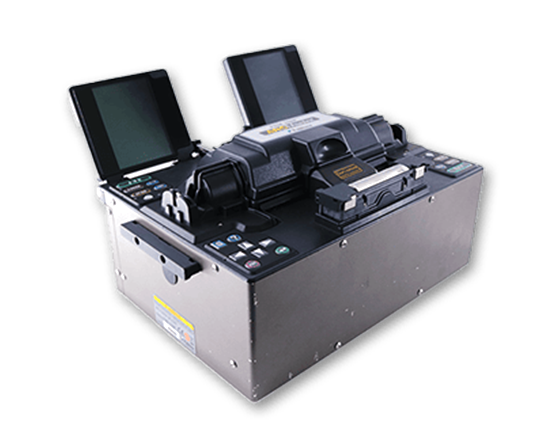

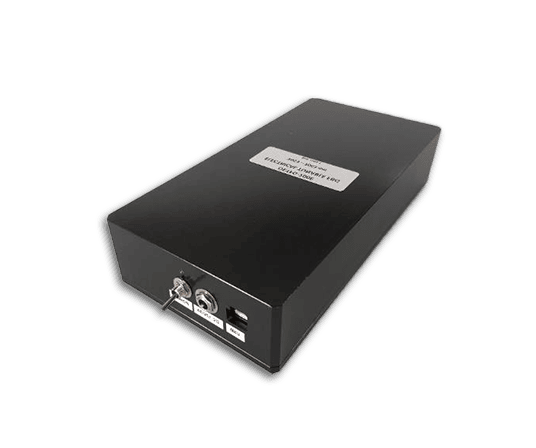






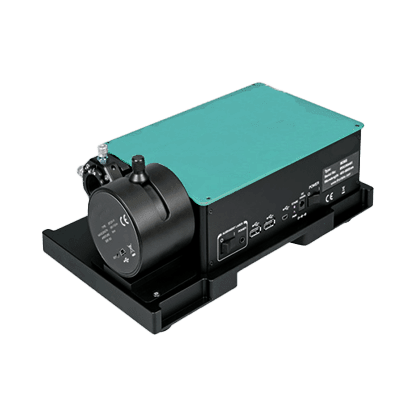




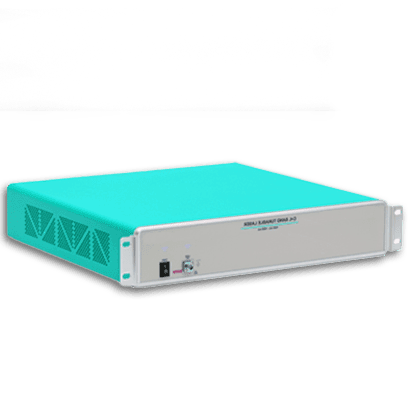
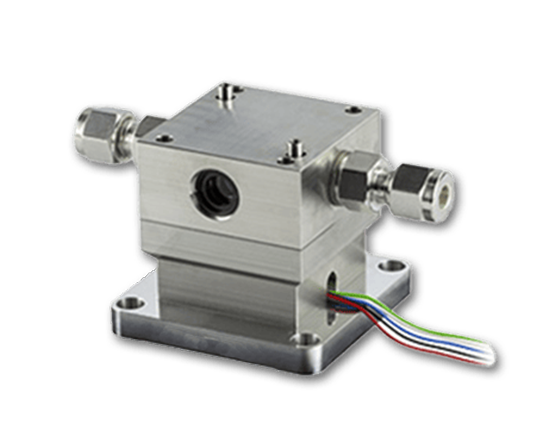
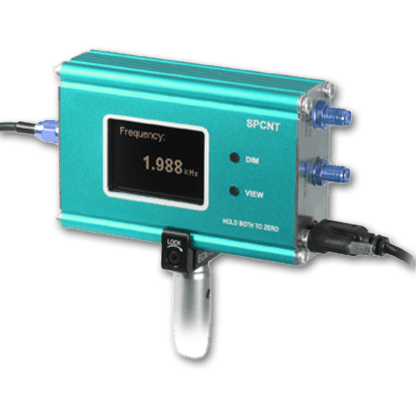
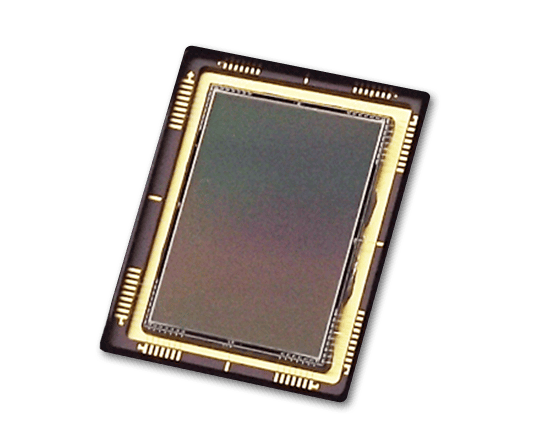
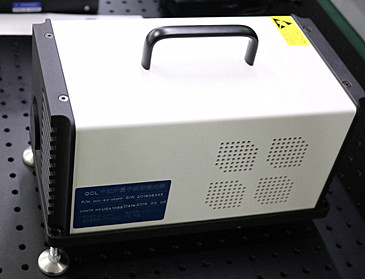
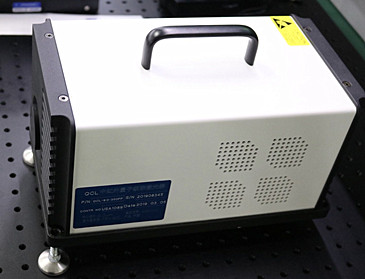
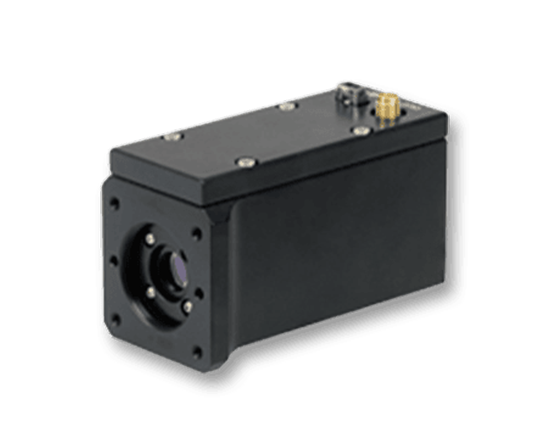
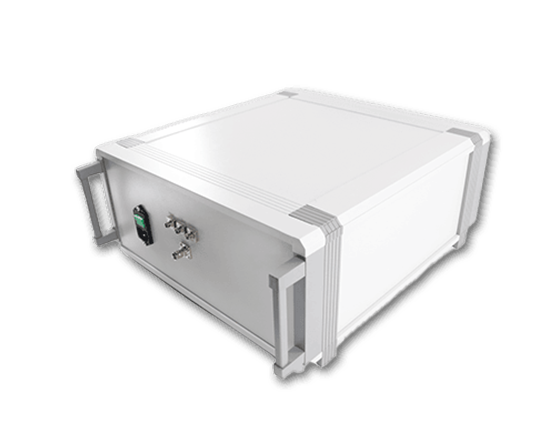
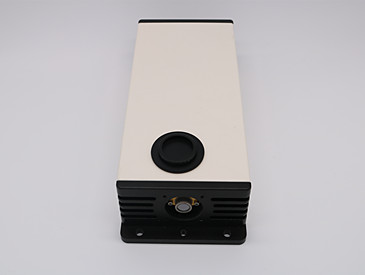
9.68um High-Power Desktop DFB-QCL Mid-Infrared Quantum Cascade Laser (Desktop Light Source)
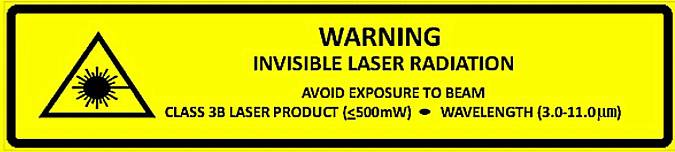
9.68um high power benchtop DFB-QCL mid-infrared quantum cascade laser is a mid-infrared test laser developed by Idealphotonics in the first half of 2019. The low loss of the atmospheric window is conducive to the test research of space optical communications. Our benchtop light source has high power and does not require ITAR review, which is an excellent choice for commercial mid-infrared test light sources. Our laser has built-in Znse collimated output, stable output power, and high temperature and wavelength stability, which is several orders of magnitude higher than the stability of traditional high-power quantum cascade lasers.
Product features:Low power consumption, high power; Narrow line width;Compact structure;Software intelligent control;Built-in FPGA
Part Number:MP-QCL-9680-DFB-100-B
Application area:Mid-infrared test light source | Mid-infrared device analysis
Add to Cart Request for Quotation Consult Favorite
Center Wavelength Spectral width Output power
9.68um 3MHz 100mW
Parameter
Parameter | Unit | Indicators | ||
Min. | Typical value | Max. | ||
Output power1 | mW | 50 | - | 100 |
Peak operating wavelength 2 | um | 9.66 | 9.68 | 9.71 |
Spectral width(FWHM) | MHZ | - | 3 | - |
Output side mode suppression ratio(SMSR) | dB | 30 | - | - |
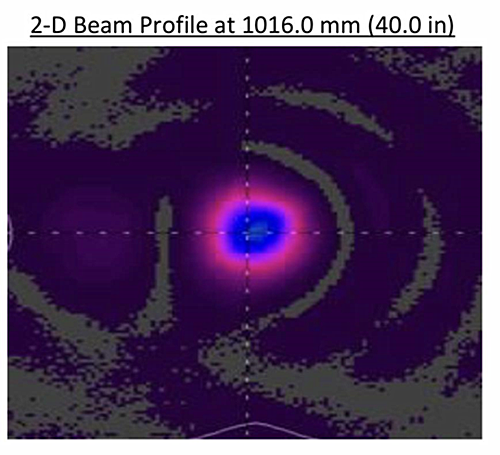
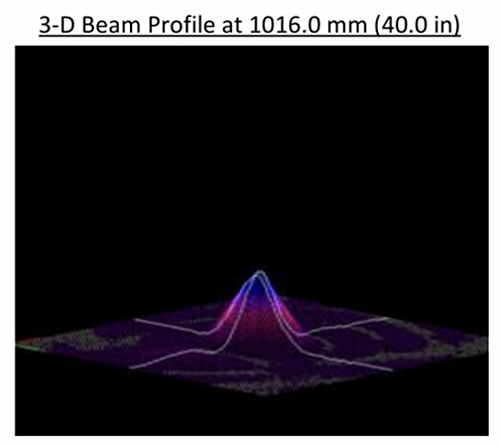
M2 factor | <1.2 | |||
Output light divergence angle | Mrad | <2 | ||
Full optical beam waist diameter5 | mm | <4 | ||
Output isolation 3 | dB | - | 30 | - |
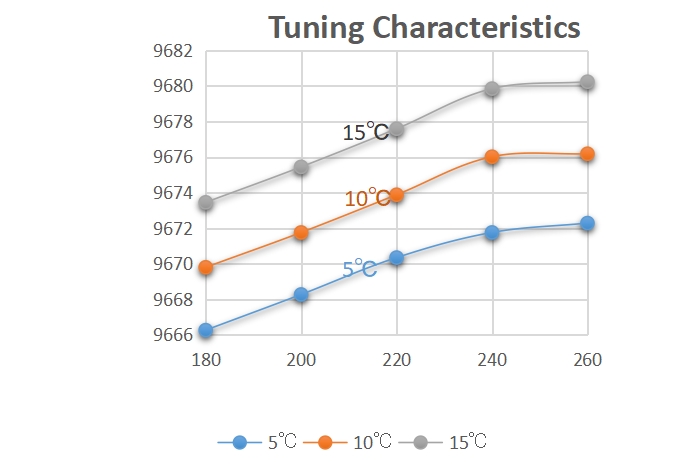
Wavelength temperature coefficient | nm/K | 1.00 | ||
Wavelength current coefficient | nm/A | 57.1 | ||
Output power stability(15min)4 | % | - | ±0.5 | ±1.0 |
Output power stability(8h)4 | % | - | ±1.0 | ±2.0 |
Output power adjustable range | % | 0 | - | 100 |
Output power adjustment mode | Soft control | |||
TEC stability | ℃ | - | ±0.1 | ±0.2 |
TEC operating range | ℃ | 0 | 30 | 50 |
Operating voltage | VAC | 100 | 220 | 240 |
Electric power consumption5 | W | - | - | 5 |
Operating temperature | ℃ | 0 | - | 90 |
Storage temperature | ℃ | -40 | - | 85 |
Diameter | mm | 343(L)×193(W)×180(H) benchtop | ||
Technical indicators:
1. Output power is optional;
2. Peak operating wavelength can be specified;
3. Output power stability test condition is 25 degrees, after 30 minutes of preheating;
4. Maximum power consumption refers to the overall power consumption under extreme working conditions.
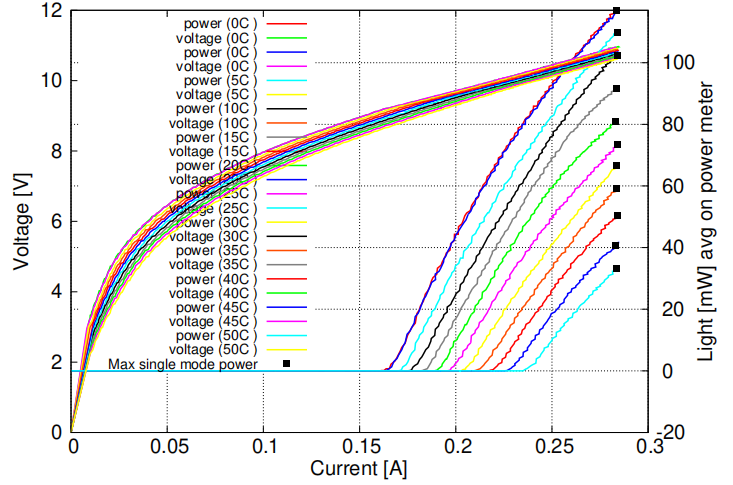
QCL laser characteristic curve ( Output power characteristic curve)
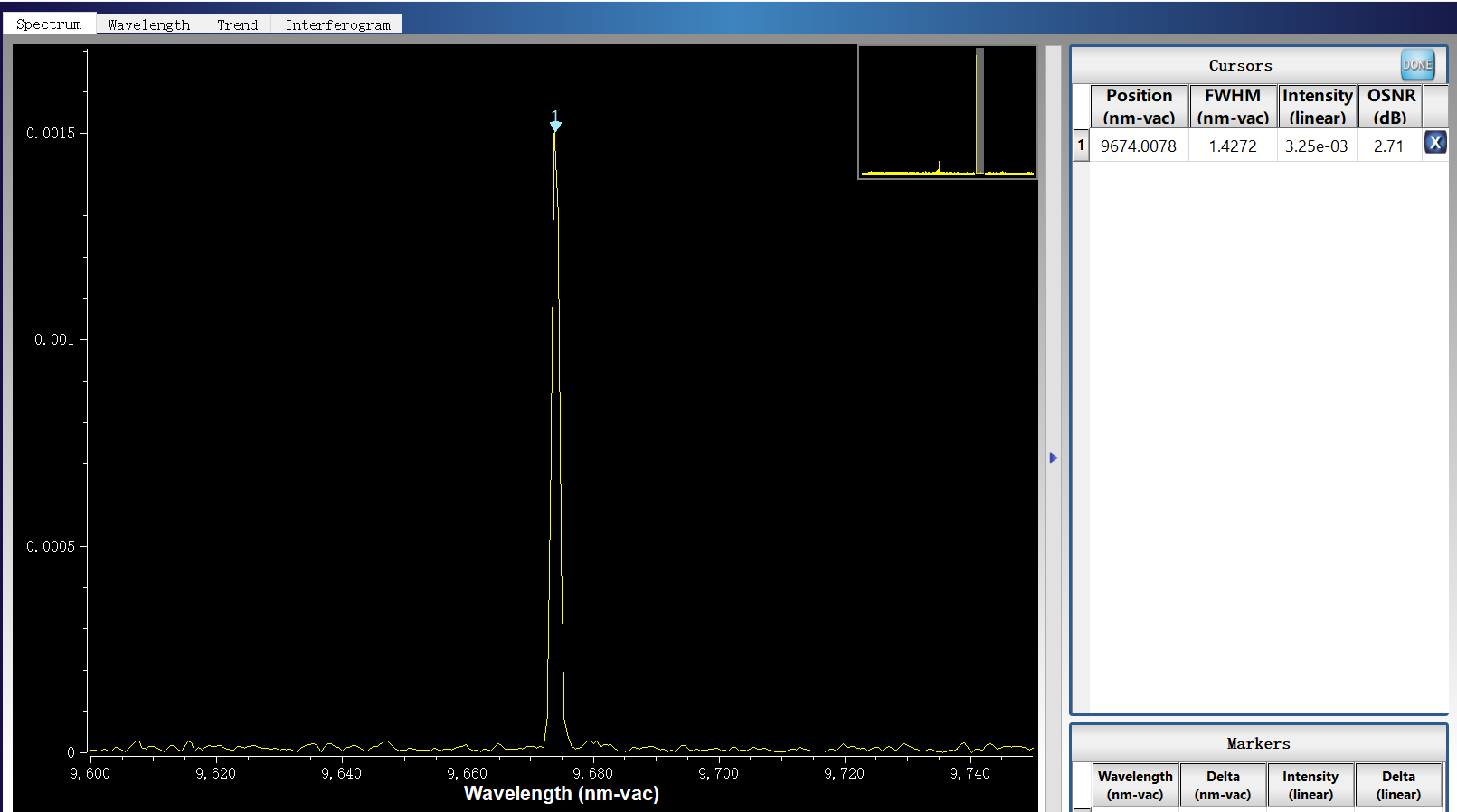
Laser spectrum (continuous)
Wavelength Tuning Curve
Beam Analysis
Laboratory Testing
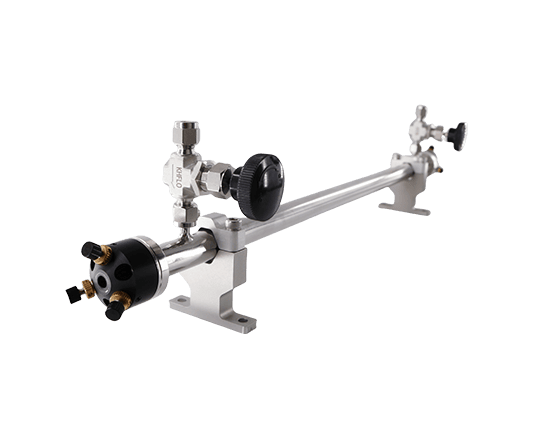
An experiment was conducted to measure NF₃ gas absorption using the 9.68μm laser (with collimated output), a 5-meter path length miniaturized mid-infrared gas cell, and a PCI-4TE-9-1x1 infrared detection module.
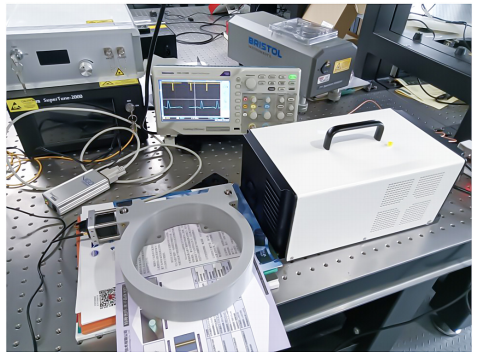
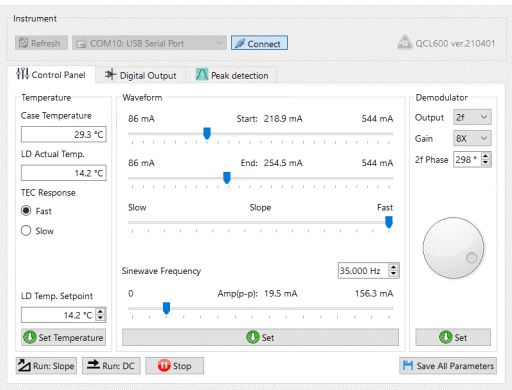
Procedure:Connect the 9.68μm quantum cascade laser to power and USB, and turn on the laser via the dedicated TDLAS control software.Connect the infrared detection module to one end of the gas cell. Align the laser with the gas cell's input aperture on the other end, adjusting the laser's position to ensure coaxial alignment.Connect the detector's received signal to the laser, and use a lock-in amplifier to demodulate the second harmonic signal for observation on an oscilloscope.Tune the laser's phase, current, gain, and temperature to obtain the optimal signal waveform.
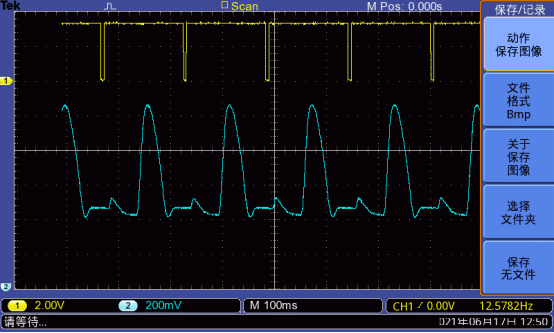
To verify that the absorption was due to NF₃ gas, the parameters were checked against a database.
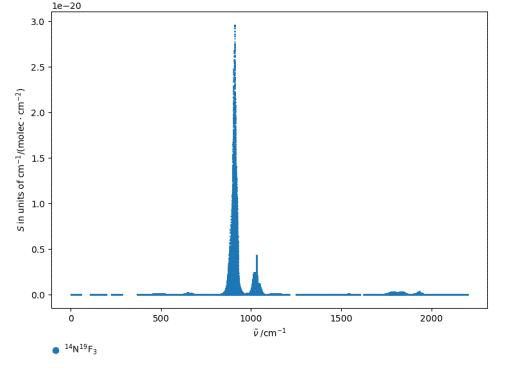
We can see that the absorption peaks in our oscilloscope trace correspond to the database entries, thus confirming that the absorption spectrum observed on the oscilloscope is indeed from NF₃ gas.
Ordering Information
MP-QCL- W□□□□ -☆-△-XX
W□□□□: Wavelength
5260: 5260nm
5184: 5184nm
7160: 7160nm
7400: 7400nm
10530: 10530nm
☆: collimated output
1: with
0: without
△: laser type
FP: QCL-FP
DFB: QCL-DFB
XX: output power
--
Request for Quotation
We will reply to all your information about the product in time.
 10+
10 Years of Experience
10+
10 Years of Experience
 50
50 + Countries Bussiness
50
50 + Countries Bussiness
 10000
10k + Diodes sold worldwide
10000
10k + Diodes sold worldwide
 30
30+ Invention patent
30
30+ Invention patent
 10
10+ Advanced Optical Solutions
10
10+ Advanced Optical Solutions
⇪