- Cart
- |
- Personal Center
- |
info@idealphotonics.com






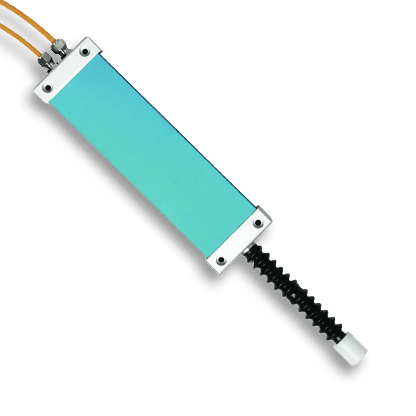
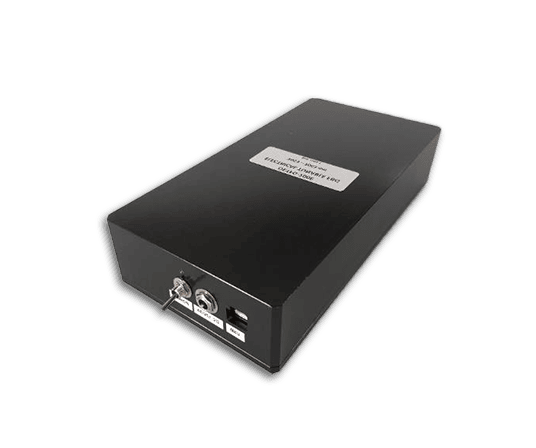


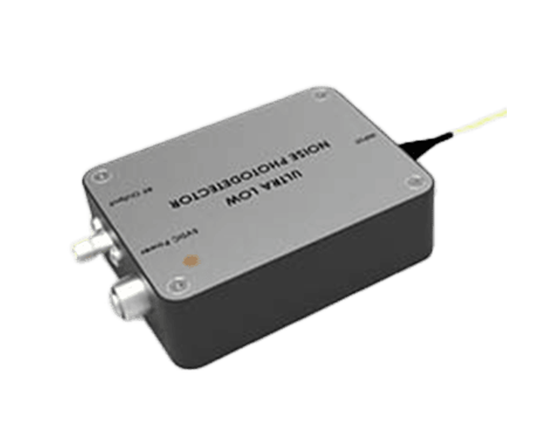
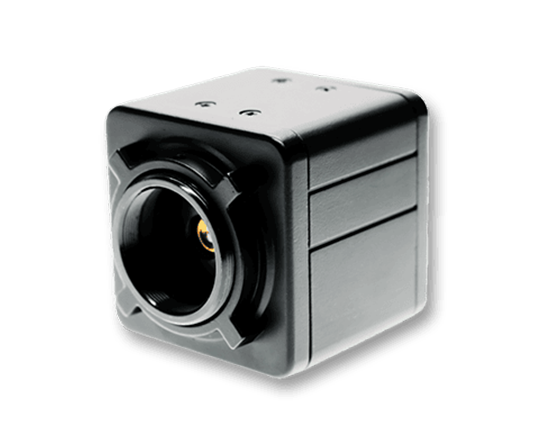









New Products
New Products

Fabry-Perot (F-P) etalon (25GHz finesse: 7.5)
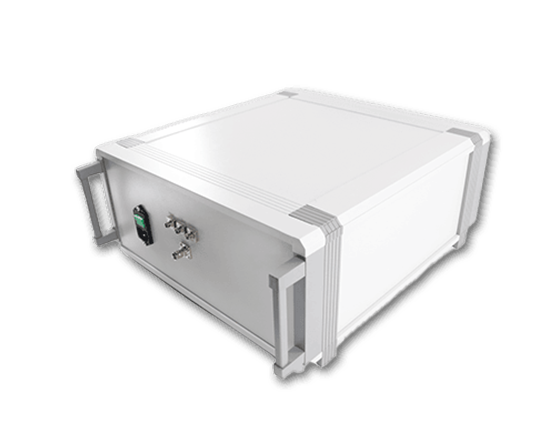
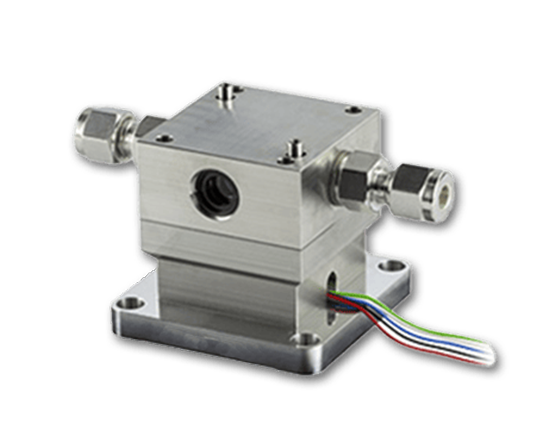
Our Fabry-Perot etalons are free-space based Fabry-Perot etalons. They provide periodic wavelength comb transmission. They include 2-port transmission type, 3-port transmission/reflection type and 4-port transmission type. The 2-port type provides transmission spectrum, the 3-port type provides transmission and reflection spectrum, and the 4-port type provides a phase delay (when the same signal is input into the two input ports, there is a phase delay at the two output ports). Our company's Fabry-Perot etalons can cover the C-band wavelength, including single-mode and polarization-maintaining fibers. The free-space range (FSR) and finesse (F) of the etalons can be customized according to customer requirements. They are widely used in optical communications, fiber Bragg grating sensors, and tunable fiber lasers.

Fabry-Perot (F-P) etalon (100GHz finesse: 40)
Idealphotonics' Fabry-Perot etalons are based on free-space Fabry-Perot etalons. They provide periodic wavelength comb transmission. They include 2-port transmission type, 3-port transmission/reflection type and 4-port transmission type. The 2-port type provides a transmission spectrum, the 3-port type provides transmission and reflection spectra, and the 4-port type provides a phase delay (when the same signal is input into the two input ports, there is a phase delay at the two output ports). Our company's Fabry-Perot etalon wavelength can cover the C-band, including single mode and polarization-maintaining fiber. The free-space range (FSR) and finesse (F) of the etalon can be customized according to customer requirements. Widely used in optical communications, fiber grating sensors, and tunable fiber laser.
Multimode MEMS Variable Attenuator 1310nm
Multimode/single mode variable attenuator Based on Idealphotonics' unique optical design and processing capabilities, our VOA has the characteristics of being able to quickly adjust optical attenuation, small size, low insertion loss, low polarization-related loss, high mode-related stability and high reliability. It is mainly used in multimode transmission networks, power balancing, product testing, and related instruments and equipment. Insertion loss ≤1.0 dB Fiber connector FC/APC connector

InGaAs weak light coherent reception module 800-1700nm DC-350M
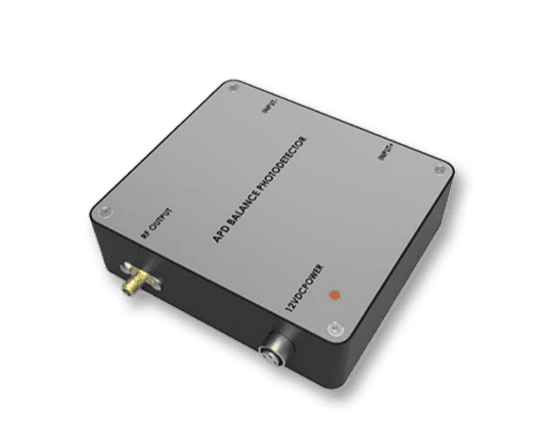
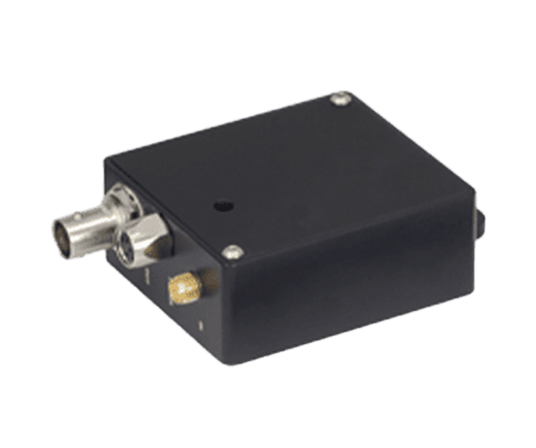
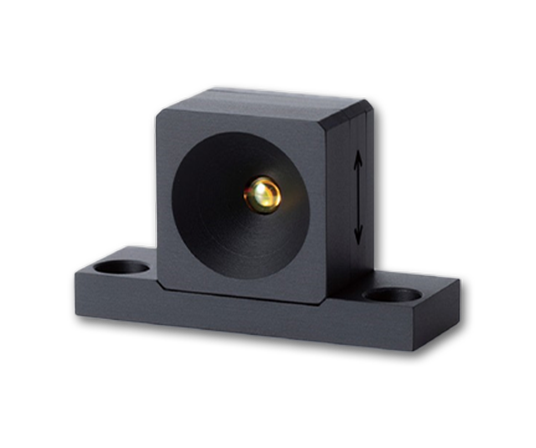
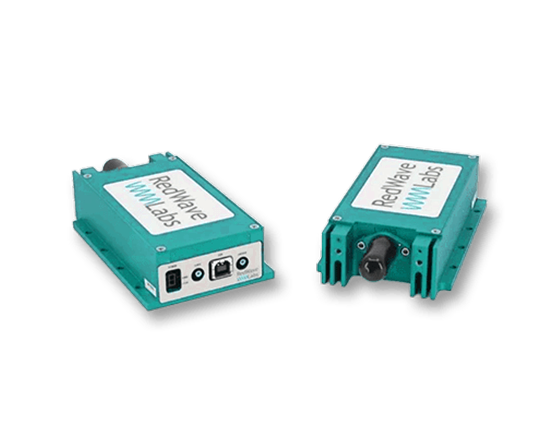
IdealPhotonics has developed a high-speed, low-noise analog coherent receiving module for optical coherent detection applications. This SVDC power coherent receiver module integrates a high-speed, low-noise analog optoelectronic balanced detector and a high-quality fiber coupler. During the manufacturing process, the splitter ratio and length of the coupler are strictly controlled to further enhance the common-mode rejection ratio. Building on the coherent reception, to further improve the optical signal-to-noise ratio (SNR), the high SNR coherent receiving module integrates a low-noise small-signal fiber amplifier to amplify weak backscattered light signals. This module is suitable for fiber optic sensing, lidar, wind measurement radar, and other fields.

InGaAs weak light coherent reception module 800-1700nm DC-200M
IdealPhotonics has developed a high-speed, low-noise analog coherent receiving module for optical coherent detection applications. This SVDC power coherent receiver module integrates a high-speed, low-noise analog optoelectronic balanced detector and a high-quality fiber coupler. During the manufacturing process, the splitter ratio and length of the coupler are strictly controlled to further enhance the common-mode rejection ratio. Building on the coherent reception, to further improve the optical signal-to-noise ratio (SNR), the high SNR coherent receiving module integrates a low-noise small-signal fiber amplifier to amplify weak backscattered light signals. This module is suitable for fiber optic sensing, lidar, wind measurement radar, and other fields.

InGaAs weak light coherent reception module 800-1700nm AC-800M
IdealPhotonics has developed a high-speed, low-noise analog coherent receiving module for optical coherent detection applications. This SVDC power coherent receiver module integrates a high-speed, low-noise analog optoelectronic balanced detector and a high-quality fiber coupler. During the manufacturing process, the splitter ratio and length of the coupler are strictly controlled to further enhance the common-mode rejection ratio. Building on the coherent reception, to further improve the optical signal-to-noise ratio (SNR), the high SNR coherent receiving module integrates a low-noise small-signal fiber amplifier to amplify weak backscattered light signals. This module is suitable for fiber optic sensing, lidar, wind measurement radar, and other fields.

InGaAs weak light coherent reception module 800-1700nm AC-1.6G
IdealPhotonics has developed a high-speed, low-noise analog coherent receiving module for optical coherent detection applications. This SVDC power coherent receiver module integrates a high-speed, low-noise analog optoelectronic balanced detector and a high-quality fiber coupler. During the manufacturing process, the splitter ratio and length of the coupler are strictly controlled to further enhance the common-mode rejection ratio. Building on the coherent reception, to further improve the optical signal-to-noise ratio (SNR), the high SNR coherent receiving module integrates a low-noise small-signal fiber amplifier to amplify weak backscattered light signals. This module is suitable for fiber optic sensing, lidar, wind measurement radar, and other fields.

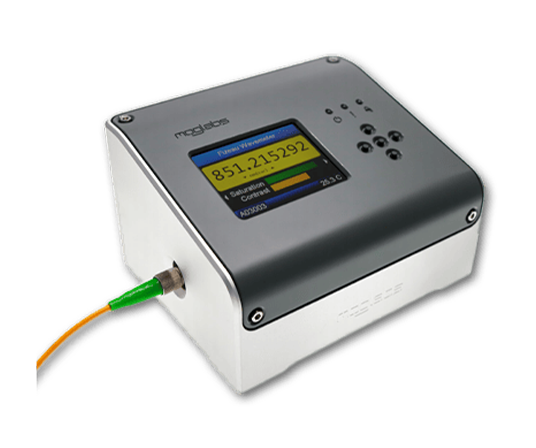
Fast Wavelength Meter 1250-1650nm (182-240THz)
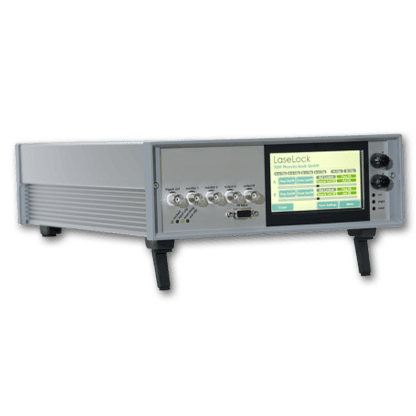
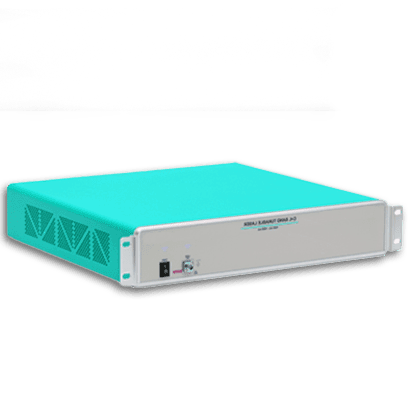
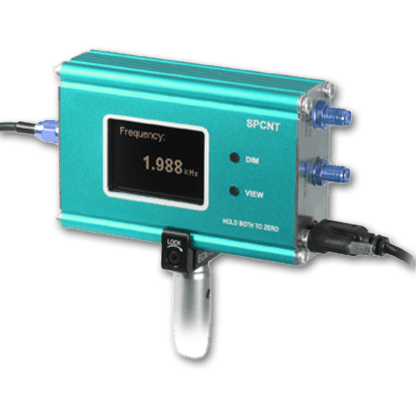
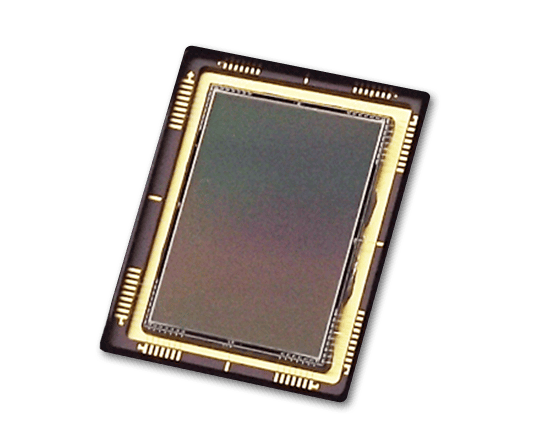
With the growing demand for communication data, a larger capacity optical communication transmission system is needed, which has driven optical component and network equipment manufacturers to use coherent communication modules based on wavelength tunable lasers in transmission backbone networks. At present, the scope of use of wavelength tunable lasers and coherent modules will further sink to the metropolitan area network and even access network. A very important test for tunable lasers is accurate measurement and wavelength calibration. With the continuous increase in communication channels, from the initial 40 waves to the current highest 800 waves, fast and accurate wavelength testing is more critical than ever. Our fast wavelength meter is designed and developed to meet this new test demand. The product is based on Fizeau interferometer technology, combining temperature-controlled interferometers, multi-stage compound interferometer cavities and linear array CCD detectors. Unlike traditional ordinary wavelength meters based on Michelson interferometers, this product adopts a fully solid-state structure and non-mechanical moving parts optical design, which enables it to ensure very high measurement accuracy (1pm) while having an ultra-high-speed measurement rate (up to 1kHz wavelength refresh rate). Combined with external triggering and fast power detection functions, this product becomes the best choice for accurately observing synchronous transient changes in wavelength and power.
1550nm Nanosecond High-Power Pulsed Light Source, Modular(Pulse width 250ns Peak power 10kW)
The high-power nanosecond pulsed fiber laser uses a high-power gain fiber module, coupled with dedicated driver and temperature control circuits, to output high peak power and high-energy laser pulses. The laser wavelength and power are stable, and the modular design facilitates system integration. It can be used in applications such as LiDAR and distributed fiber optic sensing systems.
1064nm LiNbO3 High Frequency Phase Modulator 10GHz
1064/1310/1550nmnm LiNbO3 high frequency phase modulator uses titanium diffusion or proton exchange process to make optical waveguide, the input and output optical fiber and waveguide are precisely obliquely coupled, and the electro-optical effect of lithium niobate material is used to realize the phase modulation of optical signal. Titanium diffusion (Ti-indiffusion) or proton exchange (APE) waveguide process can obtain double refraction or single polarization phase modulation respectively.
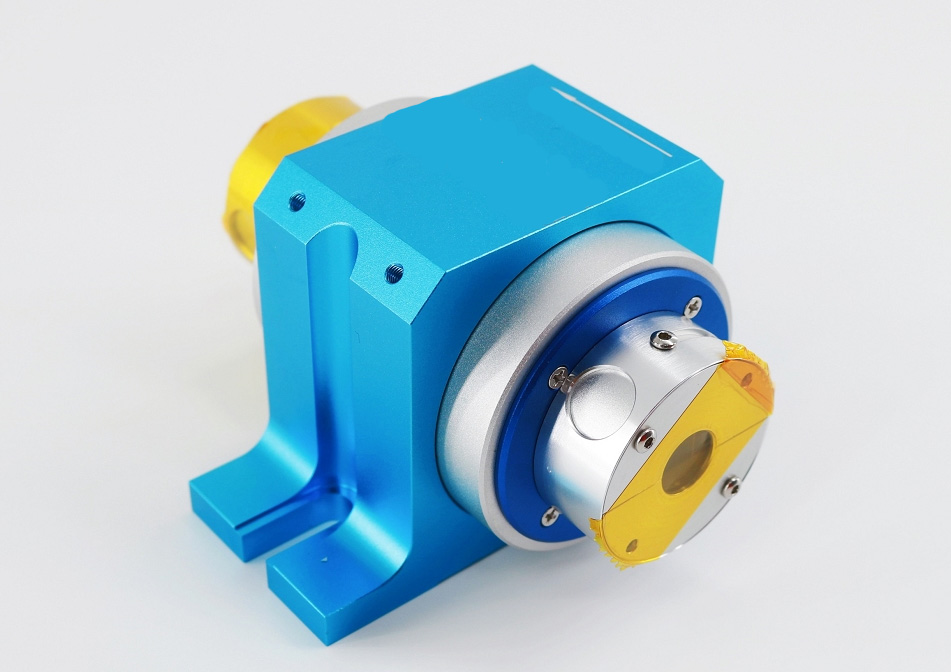
High Power Polarization Dependent Free Space Isolator 1635nm (Optical power 10W Peak isolation 55dB)
High Power Polarization Dependent Free Space Isolators (HPDFSI Series)

The design uses a spring-mounted optical lens inside the mechanical parts, which is suitable for the output of a fiber-optic beam collimator and can also be used for fiber-to-fiber coupling. By rotating the outer sleeve of the collimator, the internal optical lens can move back and forth along the optical axis direction, thus adjusting the distance between the lens and the fiber end face to obtain different spot sizes.
 10+
10 Years of Experience
10+
10 Years of Experience
 50
50 + Countries Bussiness
50
50 + Countries Bussiness
 10000
10k + Diodes sold worldwide
10000
10k + Diodes sold worldwide
 30
30+ Invention patent
30
30+ Invention patent
 10
10+ Advanced Optical Solutions
10
10+ Advanced Optical Solutions
⇪