- Cart
- |
- Personal Center
- |
info@idealphotonics.com


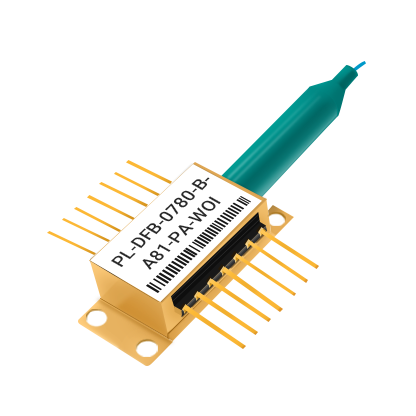
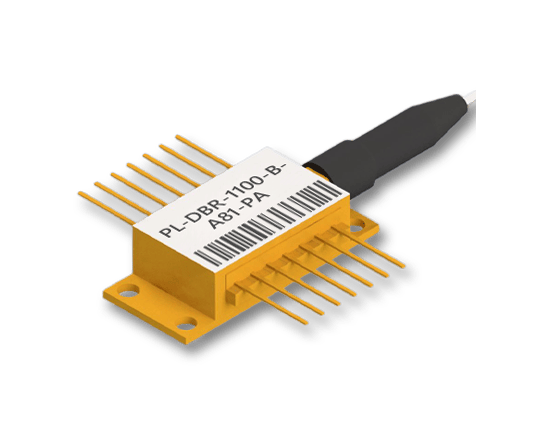
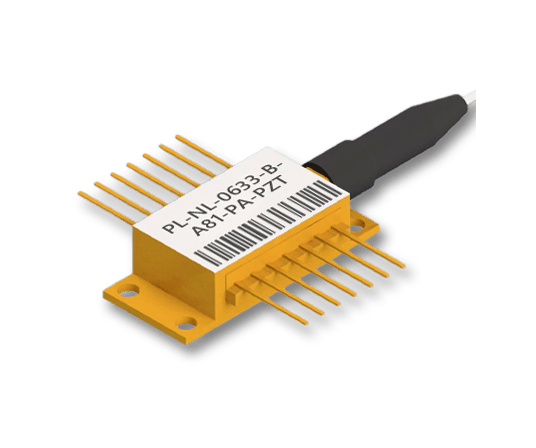
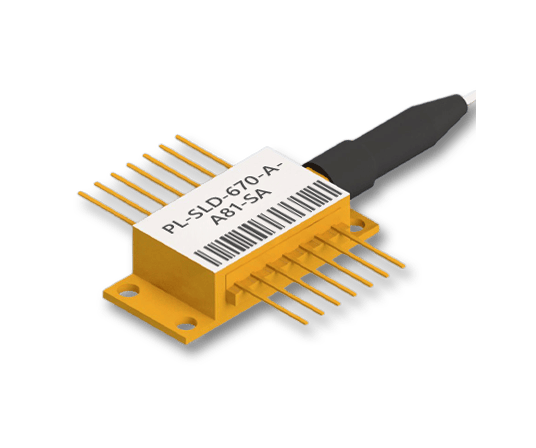















New Products
New Products
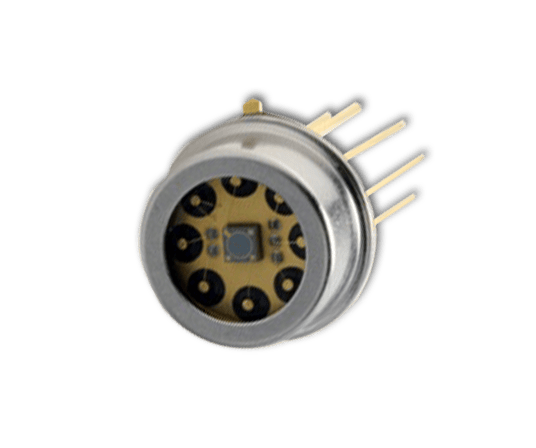
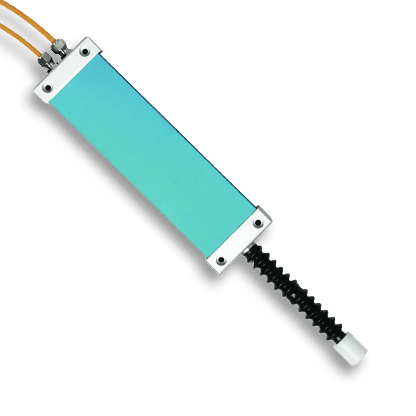
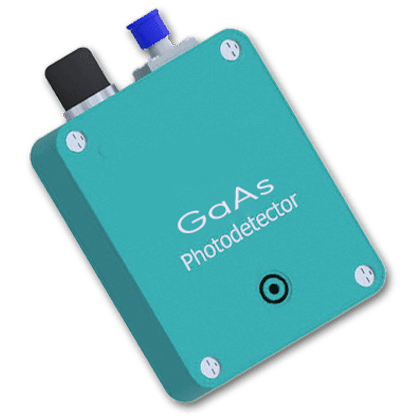
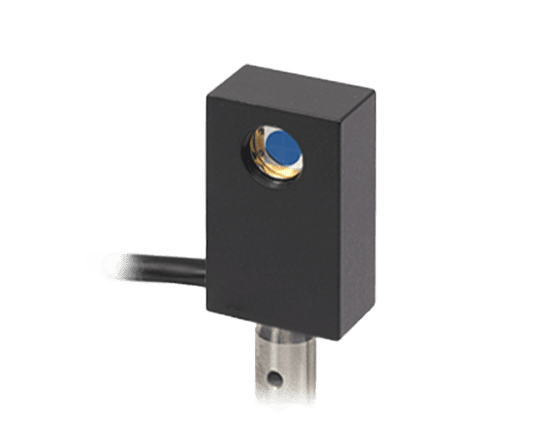
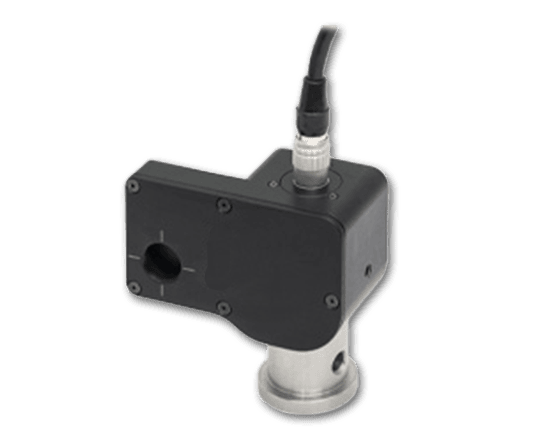
500-1700nm InGaAs Bias Photodetector Active Area Size Φ1.0mm Rise Time 5ns
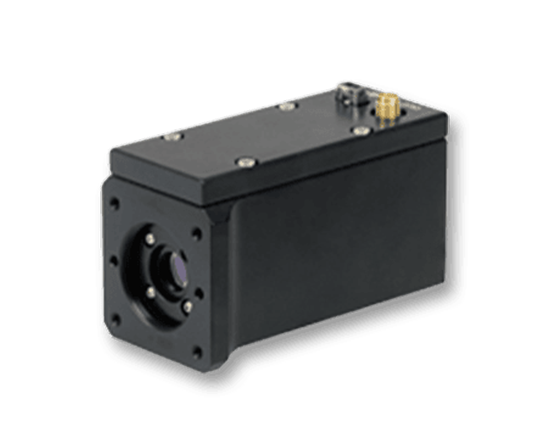
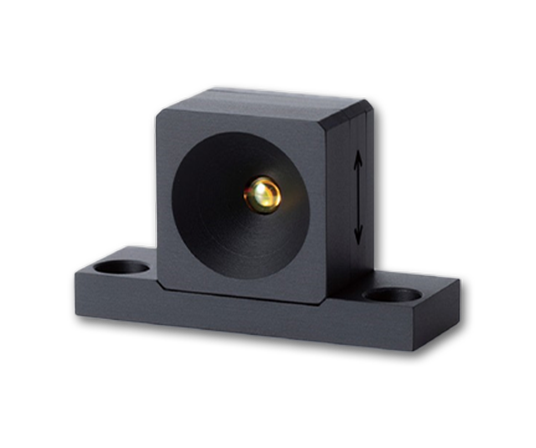
IdealPhotonics' InGaAs bias photodetector covers a wavelength range of 500nm to 2600nm, with extremely low noise, fast response, no gain, and low cost. It is suitable for general photodetection applications and delivers excellent performance with a high cost-performance ratio. The company offers comprehensive technical support and customization services. It is commonly used for visible and infrared light measurements.
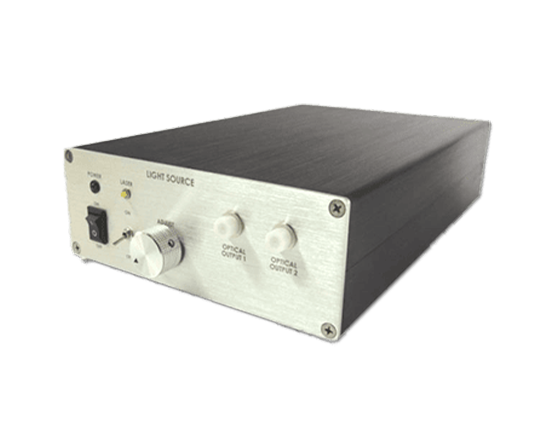
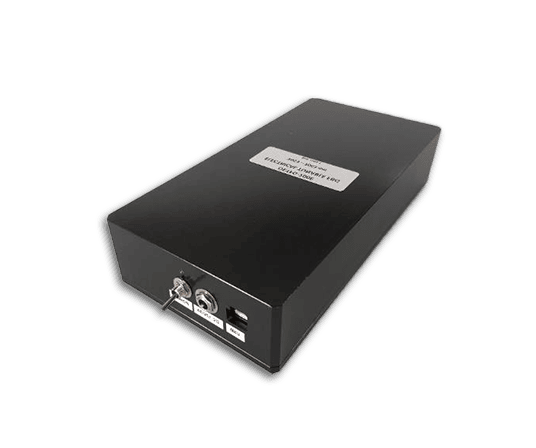
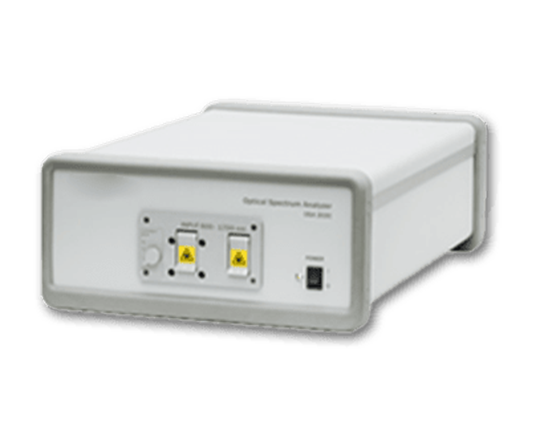
1950nm SLD Benchtop Light Source
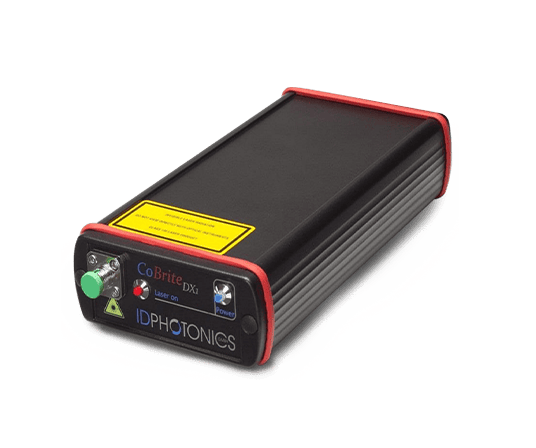
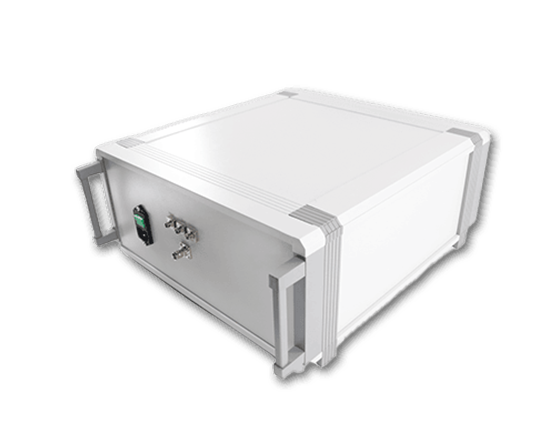
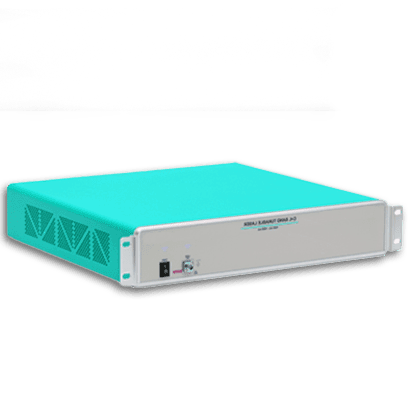
Idealphotonics' modular laser control is based on an advanced microprocessor control system, combined with high-precision ATC and ACC (APC) control circuits to achieve highly stable laser output, while ensuring that the light source is quick and intuitive to operate. We can also provide corresponding communication interfaces and control software according to user requirements to achieve computer control. This light source uses a one-key recovery function (Run/Stop button) to effectively help customers return to the previous working state. This is a highly integrated modular system light source that uses PC-side software intelligent control. Customers can set the required working temperature and current according to their needs. It is very suitable for experimental scientific research and production testing. In addition, we need to modulate the laser in some application fields. We have connected two external modulation ports, one for high frequency and one for low frequency, to better meet customers' needs for multiple uses of one machine.
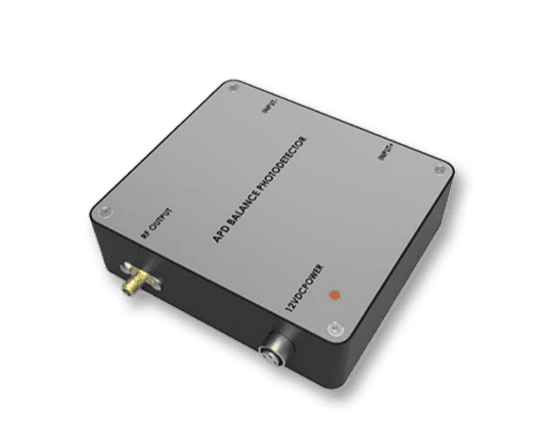
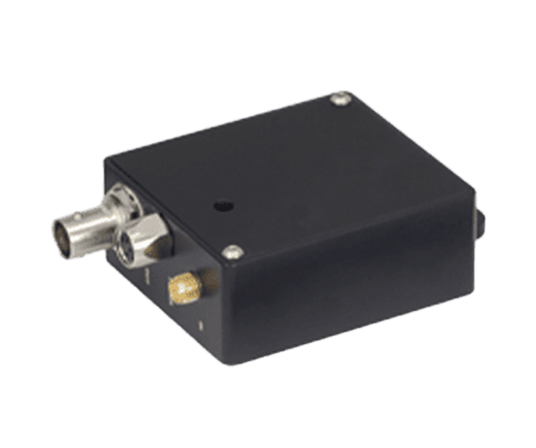
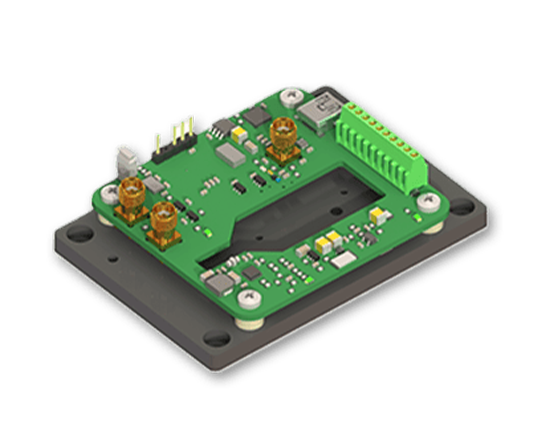
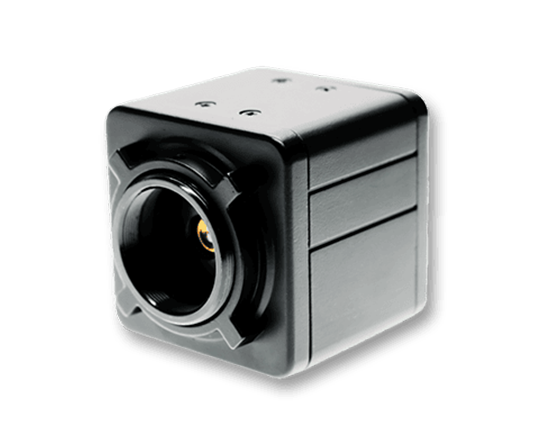
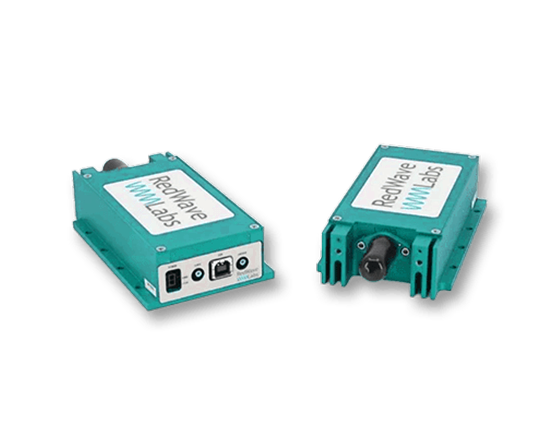
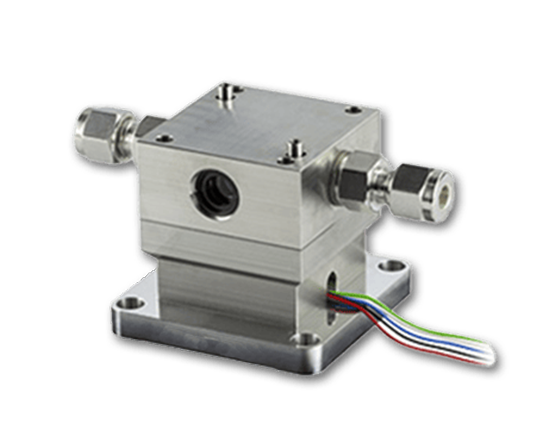
The avalanche photodetector module integrates a low-noise APD detector, low-noise broadband transimpedance amplifier, ultra-low noise isolated power supply, high-voltage power supply, and APD temperature compensation. The isolated power supply ensures that the output signal is not affected by external power supply interference. APD temperature compensation improves the stability of the detection module. The avalanche photodetector features high gain, high sensitivity, high bandwidth, and low noise.

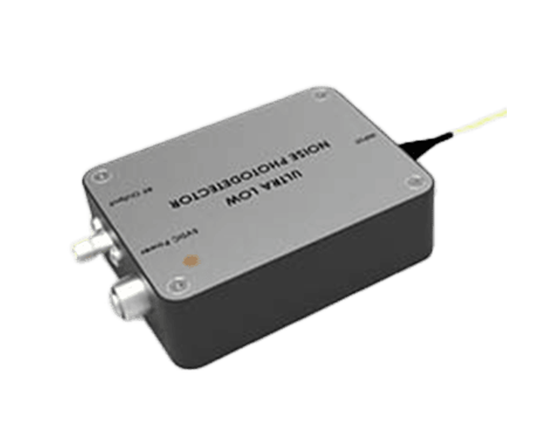
InGaAs Ultra Low Noise PIN Detector Module 600M
The high-speed low-noise photodetector module integrates an ultra-low-noise analog PIN detector, a low-noise broadband transimpedance amplifier, and an ultra-low-noise power supply. It has the characteristics of high gain, high sensitivity, high bandwidth, low noise, and high common-mode rejection ratio, which can effectively reduce the common-mode noise of the signal and improve the signal-to-noise ratio of the system.

InGaAs Ultra Low Noise PIN Detector Module 5G
The high-speed low-noise photodetector module integrates an ultra-low-noise analog PIN detector, a low-noise broadband transimpedance amplifier, and an ultra-low-noise power supply. It has the characteristics of high gain, high sensitivity, high bandwidth, low noise, and high common-mode rejection ratio, which can effectively reduce the common-mode noise of the signal and improve the signal-to-noise ratio of the system.

InGaAs Ultra Low Noise PIN Detector Module 500M
The high-speed low-noise photodetector module integrates an ultra-low-noise analog PIN detector, a low-noise broadband transimpedance amplifier, and an ultra-low-noise power supply. It has the characteristics of high gain, high sensitivity, high bandwidth, low noise, and high common-mode rejection ratio, which can effectively reduce the common-mode noise of the signal and improve the signal-to-noise ratio of the system.

InGaAs Ultra Low Noise PIN Detector Module 2G
The high-speed low-noise photodetector module integrates an ultra-low-noise analog PIN detector, a low-noise broadband transimpedance amplifier, and an ultra-low-noise power supply. It has the characteristics of high gain, high sensitivity, high bandwidth, low noise, and high common-mode rejection ratio, which can effectively reduce the common-mode noise of the signal and improve the signal-to-noise ratio of the system.

InGaAs Ultra Low Noise PIN Detector Module 2.5G
The high-speed low-noise photodetector module integrates an ultra-low-noise analog PIN detector, a low-noise broadband transimpedance amplifier, and an ultra-low-noise power supply. It has the characteristics of high gain, high sensitivity, high bandwidth, low noise, and high common-mode rejection ratio, which can effectively reduce the common-mode noise of the signal and improve the signal-to-noise ratio of the system.

InGaAs Ultra Low Noise PIN Detector Module 1G
The high-speed low-noise photodetector module integrates an ultra-low-noise analog PIN detector, a low-noise broadband transimpedance amplifier, and an ultra-low-noise power supply. It has the characteristics of high gain, high sensitivity, high bandwidth, low noise, and high common-mode rejection ratio, which can effectively reduce the common-mode noise of the signal and improve the signal-to-noise ratio of the system.

InGaAs Ultra Low Noise PIN Detector Module 1.2G
The high-speed low-noise photodetector module integrates an ultra-low-noise analog PIN detector, a low-noise broadband transimpedance amplifier, and an ultra-low-noise power supply. It has the characteristics of high gain, high sensitivity, high bandwidth, low noise, and high common-mode rejection ratio, which can effectively reduce the common-mode noise of the signal and improve the signal-to-noise ratio of the system.
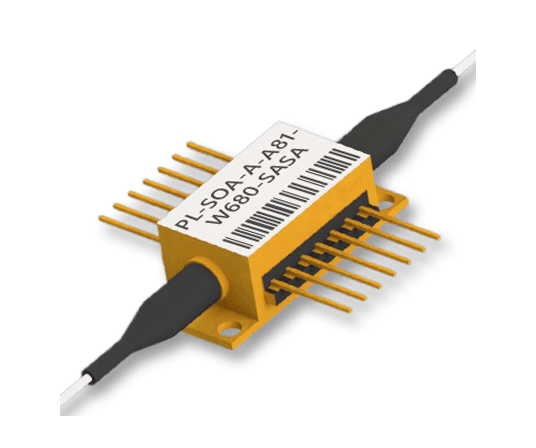
2W 1550nm single-mode single-stage fiber optic isolator, isolation 29dB
Idealphotonics' optical isolator products maintain excellent return loss isolation performance under any polarization state. They feature low loss, high isolation, high return loss, low polarization-dependent loss, low polarization mode dispersion, wide operating wavelength range, and operating temperature range. Additionally, they have a glue-free optical path. These features make the product a cost-effective solution for communication networks. This series of products can be used in doped fiber amplifiers, wavelength division multiplexing systems, fiber optic devices, and lasers.

Fabry-Perot (F-P) etalon (100GHz finesse: 10)
Idealphotonics' Fabry-Perot etalons are based on free-space Fabry-Perot etalons. They provide periodic wavelength comb transmission. They include 2-port transmission type, 3-port transmission/reflection type and 4-port transmission type. The 2-port type provides a transmission spectrum, the 3-port type provides transmission and reflection spectra, and the 4-port type provides a phase delay (when the same signal is input into the two input ports, there is a phase delay at the two output ports). Our company's Fabry-Perot etalon wavelength can cover the C-band, including single mode and polarization-maintaining fiber. The free-space range (FSR) and finesse (F) of the etalon can be customized according to customer requirements. Widely used in optical communications, fiber grating sensors, and tunable fiber laser.
 10+
10 Years of Experience
10+
10 Years of Experience
 50
50 + Countries Bussiness
50
50 + Countries Bussiness
 10000
10k + Diodes sold worldwide
10000
10k + Diodes sold worldwide
 30
30+ Invention patent
30
30+ Invention patent
 10
10+ Advanced Optical Solutions
10
10+ Advanced Optical Solutions
⇪