- Cart
- |
- Personal Center
- |
info@idealphotonics.com








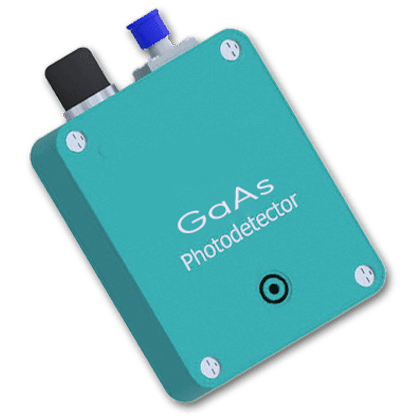

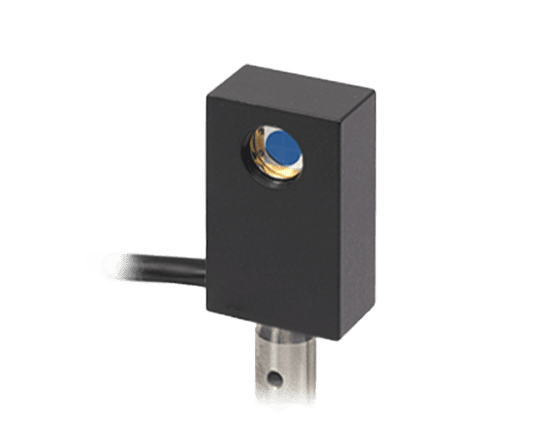
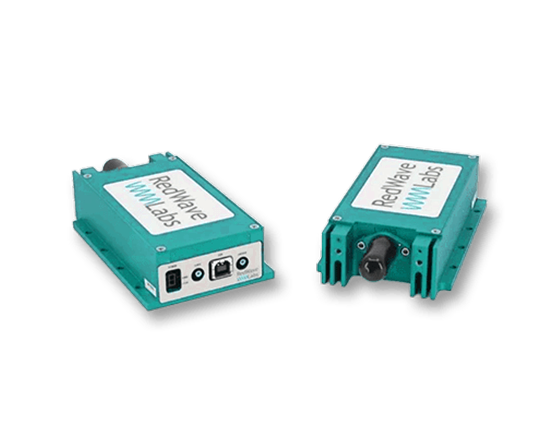


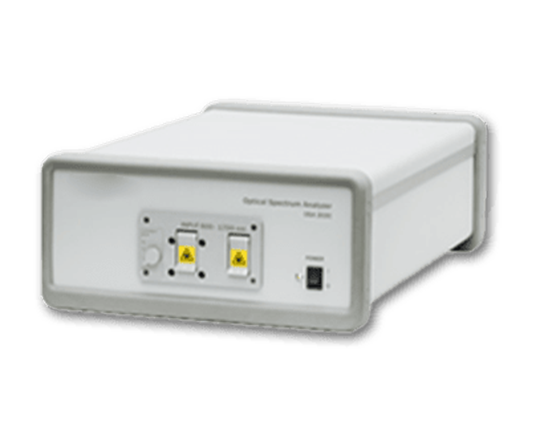






New Products
New Products
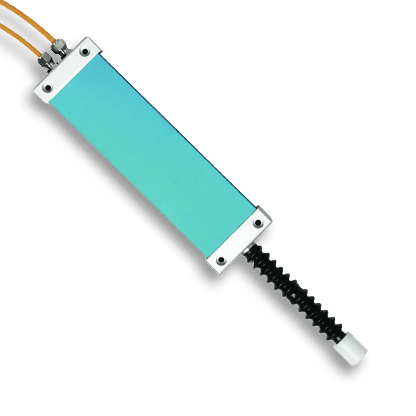
24.3m Nanosecond Fiber Optic Delay Line
Idealphotonics manufacturing compact and low-loss fiber optic coils requires attention, precision, and skill. Our F-TDC compact time delay coils feature a proprietary manufacturing process that provides extremely low insertion loss while meeting your budget and small space requirements.
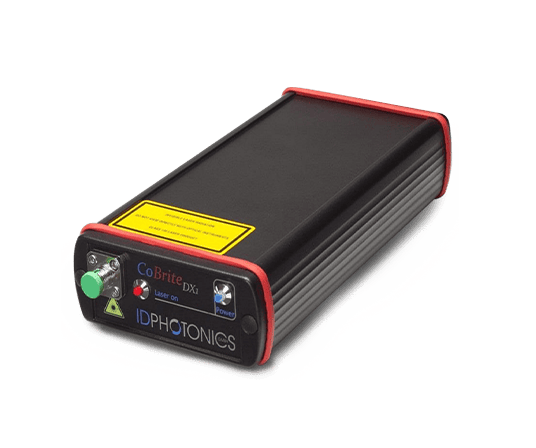
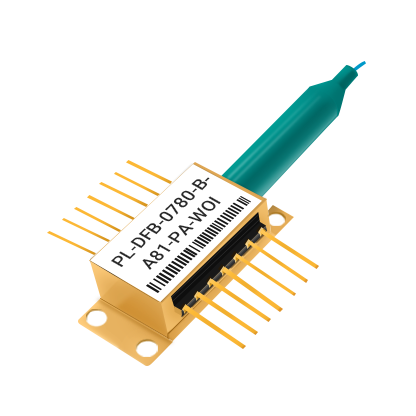
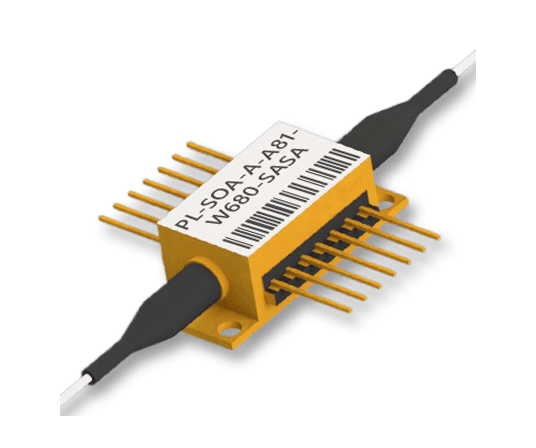
1550nm High Power DFB Narrow Linewidth Laser Diode 80mW
Idealphotonics DFB laser has the advantages of ultra-low RIN noise, ultra-narrow linewidth and high output optical power. It is currently widely used in applications such as vehicle-mounted laser radar, fiber optic sensor detection systems and high-precision measurement. We can provide customized services according to customer needs and provide corresponding technical support.
208.4m Nanosecond Fiber Optic Delay Line
Idealphotonics manufacturing compact and low-loss fiber optic coils requires attention, precision, and skill. Our F-TDC compact time delay coils feature a proprietary manufacturing process that provides extremely low insertion loss while meeting your budget and small space requirements.
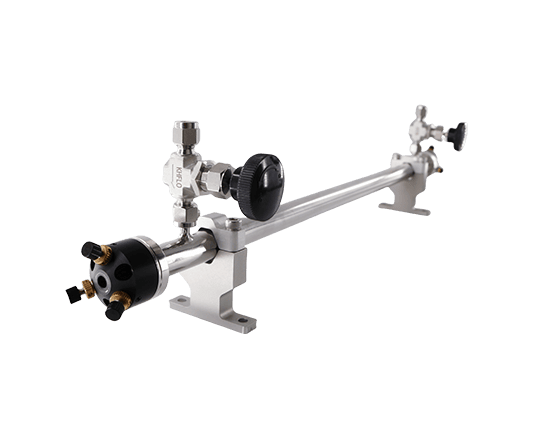
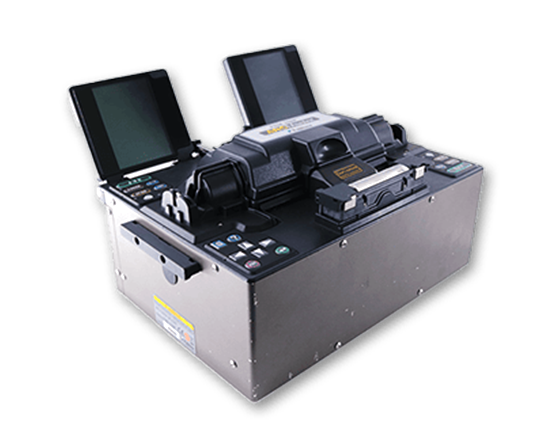
1310/1550 nm Multi-function Polarization Maintaining Fiber Fused Taper System
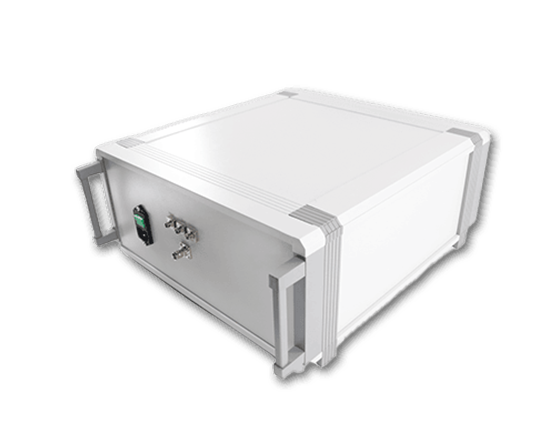
Full-function fiber taper system is a highly automated production system jointly developed by Idealphotonics and UBC in Canada, integrating multiple technologies such as optics, electronics, precision machinery, and computers, as well as multiple functions such as production, detection, and control. In addition to providing the functions of an ordinary fiber taper machine, the machine can also be upgraded to a polarization-maintaining fiber taper machine, a large-core multimode fiber taper machine, a tapered fiber stretching system, etc. according to the customer's research requirements. It is a powerful platform for you to engage in the development of core devices such as fiber splitters, wavelength division multiplexers, communication market development, fiber sensors and fiber lasers, biomedicine, and laser micro-nano research. (Optional 1310/1550 nm dual-wavelength desktop detection light source (1 mW), 2um desktop detection light source; detector extended InGaAs 1100-2400 nm)
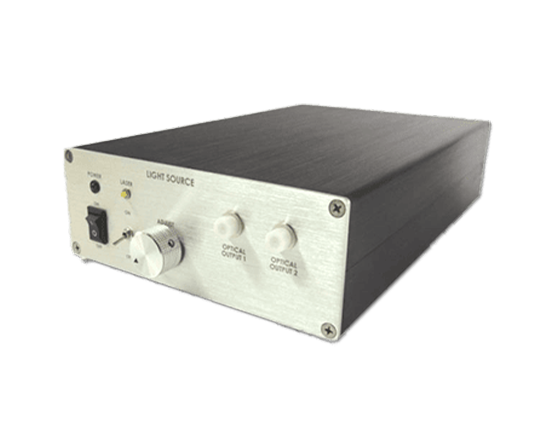
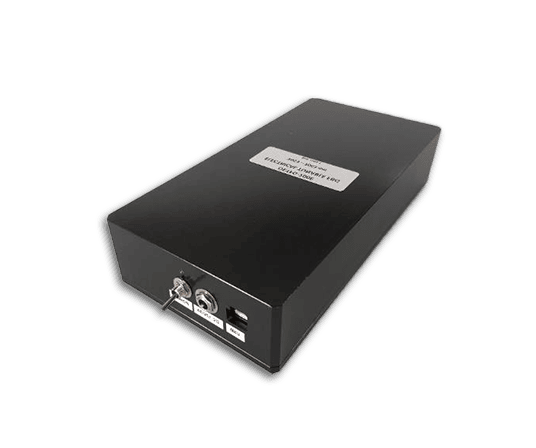
2050nm benchtop with software control DFB light source 2mW
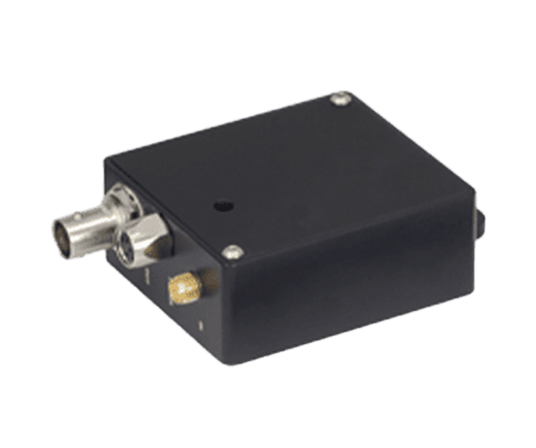
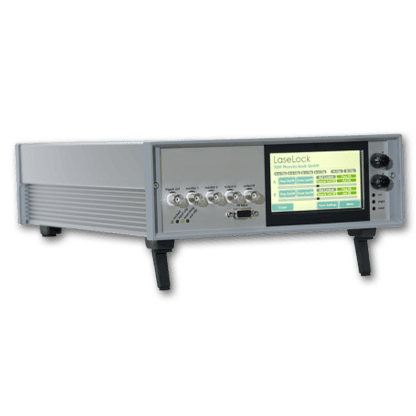
Idealphotonics' modular laser control is based on an advanced microprocessor control system, combined with high-precision ATC and ACC (APC) control circuits to achieve high and stable output of the laser, while ensuring that the light source is quick and intuitive to operate. We can also provide corresponding communication interfaces and control software according to user requirements to achieve computer control. This light source uses a one-key recovery function (Run/Stop button), which can effectively help customers return to the previous working state. This is a highly integrated modular system light source, which uses PC-side software intelligent control. Customers can set the required working temperature and current according to their needs. It is very suitable for experimental scientific research and production testing. In addition, we need to modulate the laser for some application fields. We have connected two modulation ports, one for high frequency and one for low frequency, to better meet customers' needs for multiple uses of one machine.
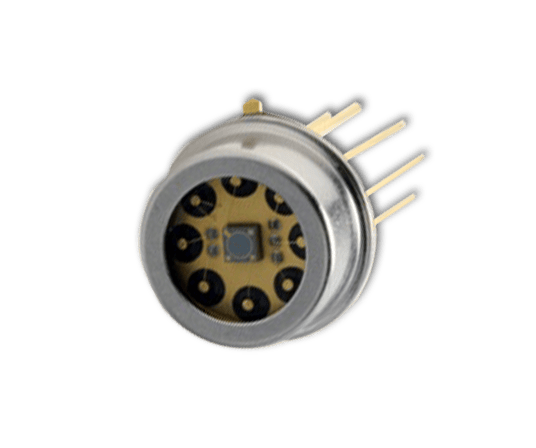
1512nm High-Power SM DFB Laser (10mW, TO39 Package, NH3 Detection)
With optimized optical characteristics, the 1512nm single-mode DFB laser is an ideal choice for high-demand sensor system applications. The innovative chip design suppresses high-order longitudinal and transverse modes while ensuring linear polarization stability. The laser offers high output power, narrow linewidth, and excellent consistency, making it highly favored by domestic research clients. Currently, we have 1512nm DFB lasers in stock for TDLAS oxygen detection, 795nm VCSELs for Rubidium atomic clock experiments, and 852nm VCSELs for Cesium atomic cooling.

Idealphotonics' fiber optic filters use special fiber structures to select or filter out specific wavelengths of light from different light waves. We offer different power versions of filter devices based on customer needs. These can be used in areas such as dense wavelength division multiplexing (DWDM) fiber optic communications, frequency division multiplexing (FDM) fiber optic communications, spectral testing, fiber optic sensors, fiber lasers, and fiber amplifiers. For custom center wavelengths, operating temperatures, or specific working bandwidths, please contact us for customization.
200um large core energy transmission optical fiber
We are currently able to provide international commercial-level quartz energy optical fibers in batches. Our energy optical fibers include two categories: quartz cladding type high-performance energy optical fibers and plastic cladding type high-performance energy optical fibers. Quartz cladding type energy optical fibers can transmit higher laser power, have good resistance to optical damage, as well as lower attenuation and higher light transmittance (from near ultraviolet band to near infrared band 400nm ~ 1600nm).
2004nm 1m long distance fiber collimator single mode
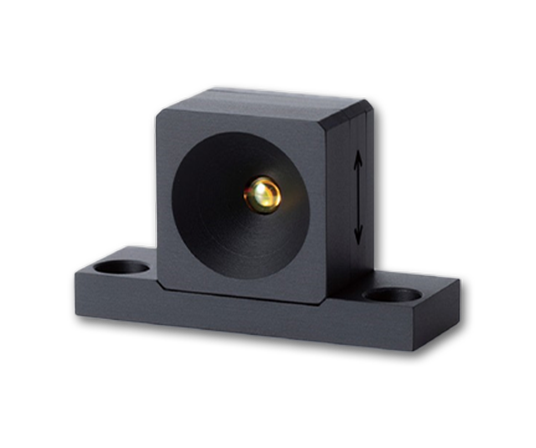
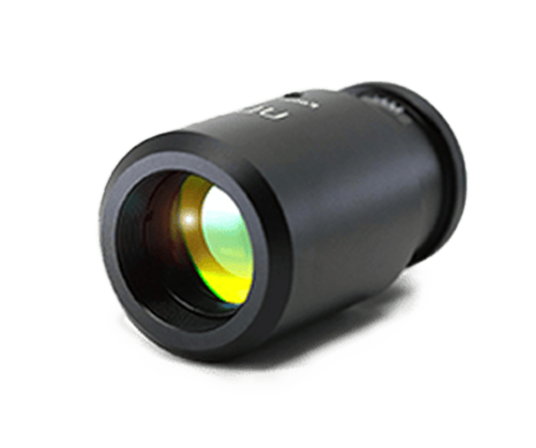
Our fiber collimators are pre-aligned and used to collimate the light emitted from FC/APC connector fibers, and have diffraction-limited performance. These fiber collimators have no moving parts and are compact and easy to integrate into existing devices. The currently supported working bands are 532/633/780/850/915/1064/1310/1550nm/1950/2004nm.

850nm polarization locked single mode VCSEL chip laser
Our single-mode VCSELs are designed to meet the stringent specifications of a wide range of optical sensing applications. They provide polarization-stabilized single-mode emission with a symmetrical Gaussian beam profile and typically 1mW output power. Bias currents range from 3 to 6mA.
1310 nm single mode VCSEL (with TEC)
The 1310nm Vertical Cavity Surface Emitting Laser (VCSEL) is packaged in a compact coaxial housing with a single mode fiber pigtail. The VCSEL-1310-SM is designed for fiber optic sensing, laser transmitters, and optical communication applications. It requires very low drive current and can be temperature stabilized with a built-in TEC.

2000nm Single-Mode Fiber Reflector
Examples of fiber total reflection mirrors used in erbium-doped fiber amplifiers. In this application, a fiber-based back reflector is placed at the end of an erbium-doped fiber, reflecting light back into the fiber in the direction of the incident light. A circulator is used to direct both the input and amplified output signals along their respective optical paths. This setup allows the signal light to pass through the gain fiber twice, effectively enhancing the amplifier's gain absorption efficiency. Another practical application of back reflectors is the construction of tunable back reflectors, as shown in Figure 2. Feedback signals from a downstream back reflector can cause instability in certain devices, such as laser diodes. By incorporating a tunable back reflector, the sensitivity of a device to back reflection can be determined. A tunable attenuator enables users to introduce a controlled reflection into the system. By analyzing the effects of back reflection, users can calculate parameters such as noise level, bit error rate, and distortion.
 10+
10 Years of Experience
10+
10 Years of Experience
 50
50 + Countries Bussiness
50
50 + Countries Bussiness
 10000
10k + Diodes sold worldwide
10000
10k + Diodes sold worldwide
 30
30+ Invention patent
30
30+ Invention patent
 10
10+ Advanced Optical Solutions
10
10+ Advanced Optical Solutions
⇪